When you think about cleanliness, you probably picture soap bubbles, fresh laundry, or the sparkle of a newly scrubbed surface. But true cleanliness goes deeper than appearances. It’s not just about what we can see — it’s about the invisible factors that shape our health, environment, and daily lives.
For centuries, humans relied on natural materials to keep homes clean and healthy: stone, clay, wood, bamboo, and plant-based fibres. These materials weren’t just convenient; they carried properties that supported hygiene, durability, and sustainability. In recent decades, however, synthetic materials like plastics and polyester have taken over. They promise convenience but often come at a hidden cost — trapping moisture, releasing chemicals, and creating waste.
This blog explores the hidden science of clean, showing why natural materials matter more than ever for modern households. From diatomite stone to bamboo fibres, we’ll uncover how going back to nature can mean moving forward into healthier, more sustainable living.
Cleanliness Beyond the Surface
Most of us judge cleanliness by sight and smell: a surface looks shiny, a towel smells fresh. But science tells us that true hygiene often depends on microscopic interactions.
- Moisture Control: Damp environments encourage bacteria and mould. Natural absorbent materials like diatomite or bamboo regulate moisture better than synthetics.
- Air Quality: Plastics and chemical cleaners can release VOCs (volatile organic compounds), subtly polluting indoor air. Natural alternatives reduce these emissions.
- Surface Behaviour: Some natural materials, like silica in diatomite, have porous structures that draw in and evaporate water — creating drier, safer surfaces.
By choosing natural materials, you’re not just cleaning — you’re shaping an environment that resists contamination in the first place.
Diatomite: Nature’s Microscopic Cleaner
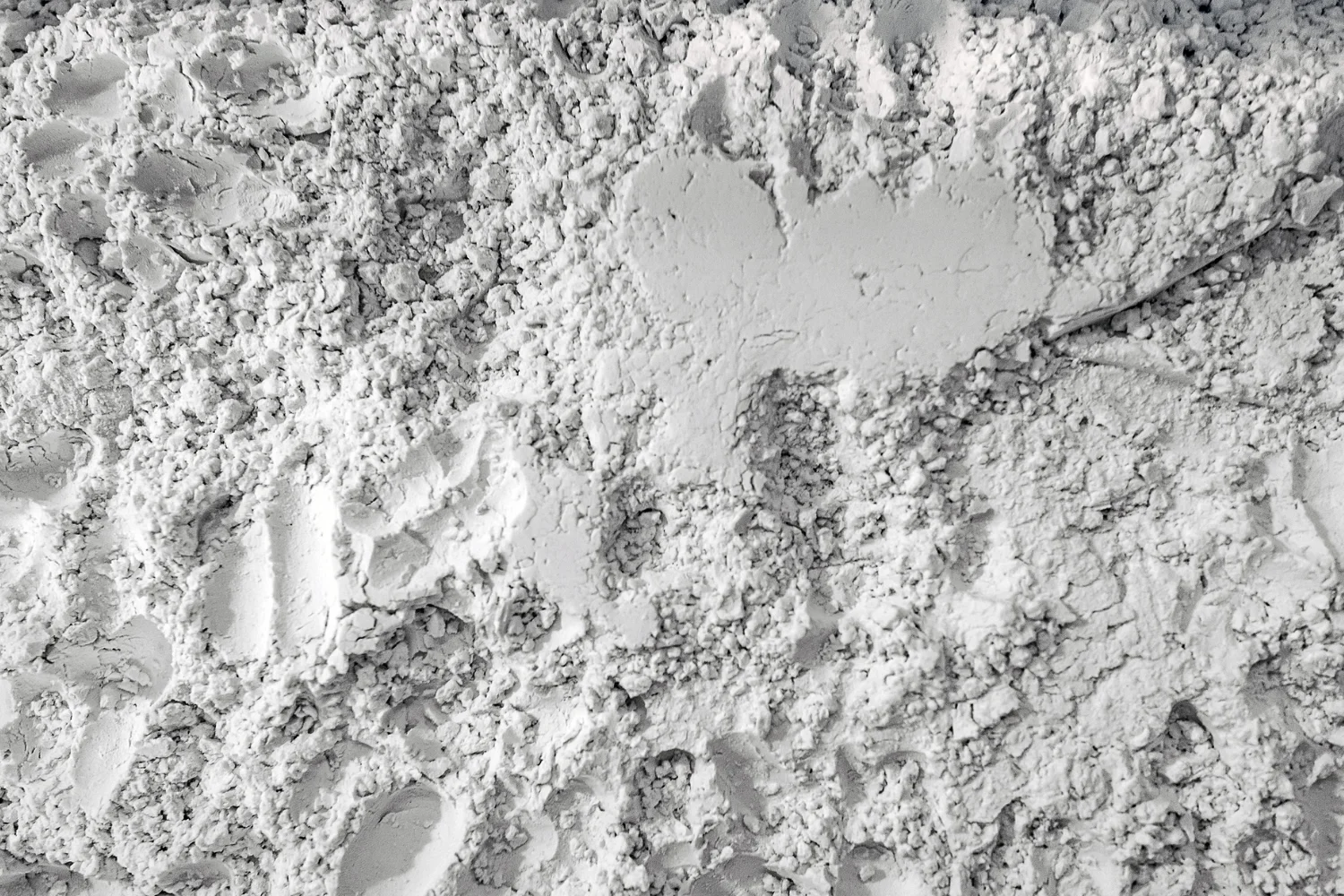
One of the best examples of the hidden science of clean is diatomite. This fossilised algae forms a porous, stone-like material with remarkable properties:
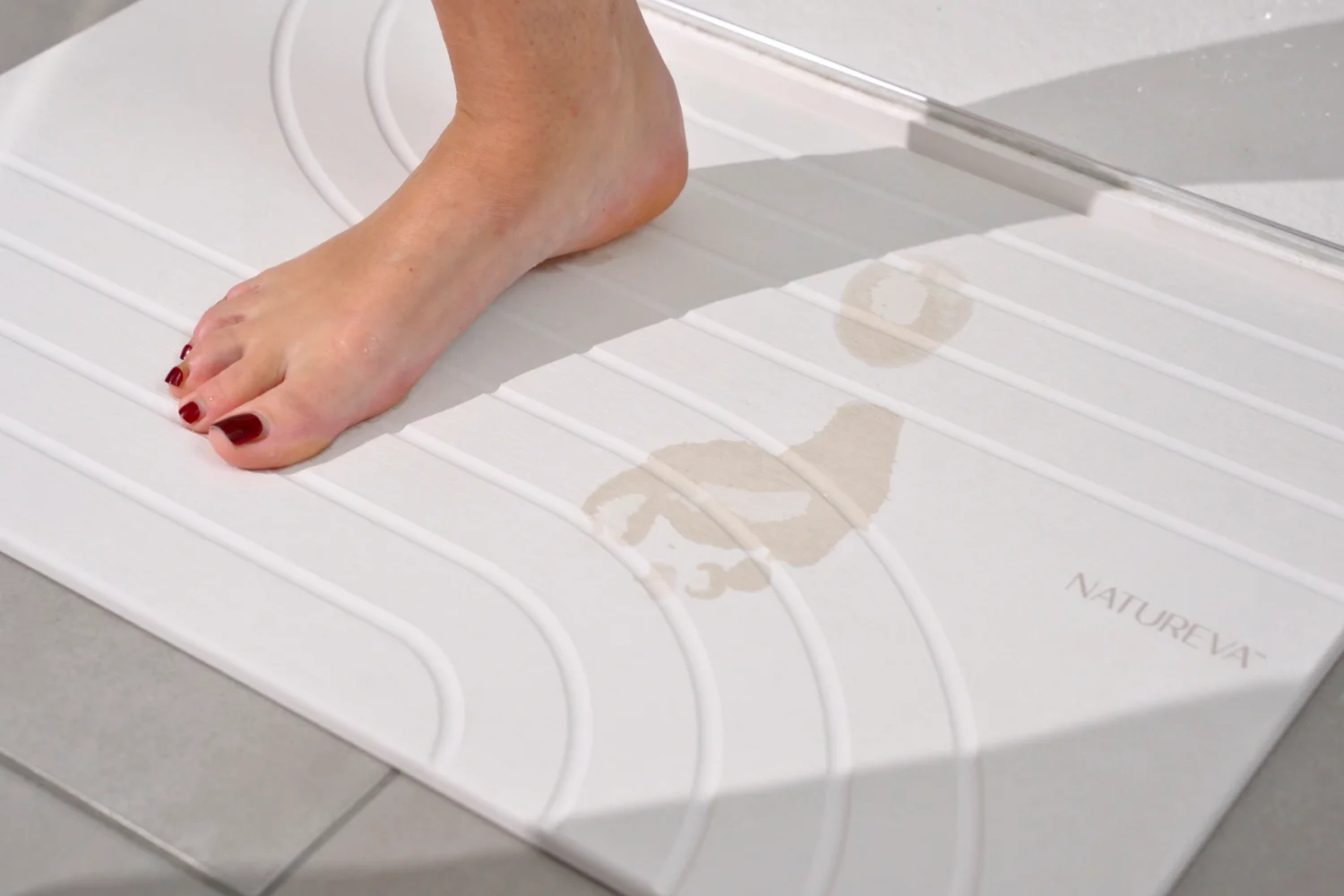
- Instant Absorption: Its microscopic pores act like sponges, pulling water into its structure and releasing it back into the air quickly.
- Antibacterial Environment: Because surfaces dry so fast, bacteria and mould struggle to grow.
- Odour Neutralisation: Moisture is the main carrier of bad smells. By eliminating it, diatomite naturally keeps spaces fresher.
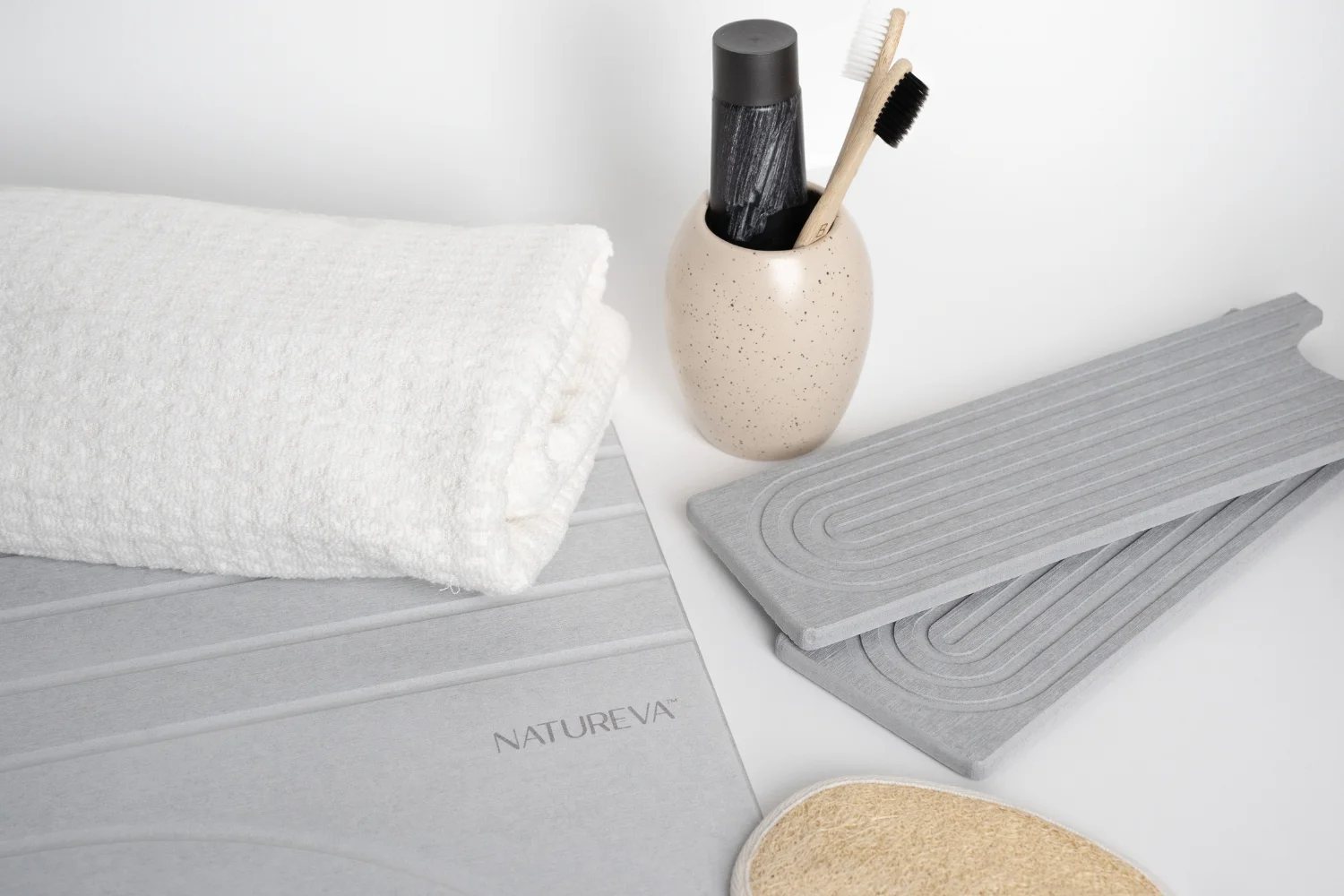
This makes diatomite perfect for applications where moisture control is crucial — bath mats, dish mats, coasters, and plant saucers. The science is simple but powerful: remove the conditions bacteria love, and you get a cleaner home with less effort.
Wood, Clay, and Stone: Old Materials, New Science
Other natural materials are also making a comeback as we rediscover their hidden science:
- Wood: Naturally antibacterial, especially hardwoods like oak and bamboo cutting boards. Studies show bacteria survive longer on plastic than on wood.
- Clay and Ceramics: Porous but easy to sterilise, perfect for food storage and cooking surfaces.
- Stone: Durable, easy to clean, and timeless in design — making it a hygienic and aesthetic choice for kitchens and bathrooms.
These materials last decades, often centuries, when cared for — a stark contrast to synthetic items designed for short lifespans.inventing something new. Sometimes, it means looking back into Earth’s deep history to uncover what’s already there.
The Problem with Synthetics
It’s not that synthetic materials can’t be clean — but they often create more problems than they solve.
- Moisture Traps: Fabric bath mats stay wet for hours, harbouring bacteria. Polyester towels lose absorbency and hold odours.
- Microplastics: Synthetic sponges and fabrics shed microplastics that end up in waterways and food chains.
- Chemical Dependence: Plastics and resins often require harsh cleaning chemicals to stay “fresh,” adding pollutants to indoor air and water.
- Short Lifespans: Cheap synthetics wear out quickly, creating more waste.
The hidden science here is that what feels convenient often requires more maintenance, resources, and replacements — creating a cycle of waste.
Bamboo: A Natural Fibre with Modern Relevance
Bamboo isn’t just fast-growing and renewable — it also has built-in properties that support cleanliness:
- Moisture Management: Bamboo fibres wick moisture away from the skin, keeping towels and fabrics fresher.
- Softness Without Chemicals: Unlike polyester, which requires processing to feel soft, bamboo is naturally smooth.
- Hypoallergenic Qualities: Bamboo is gentle on sensitive skin, making it ideal for families and wellness-oriented homes.
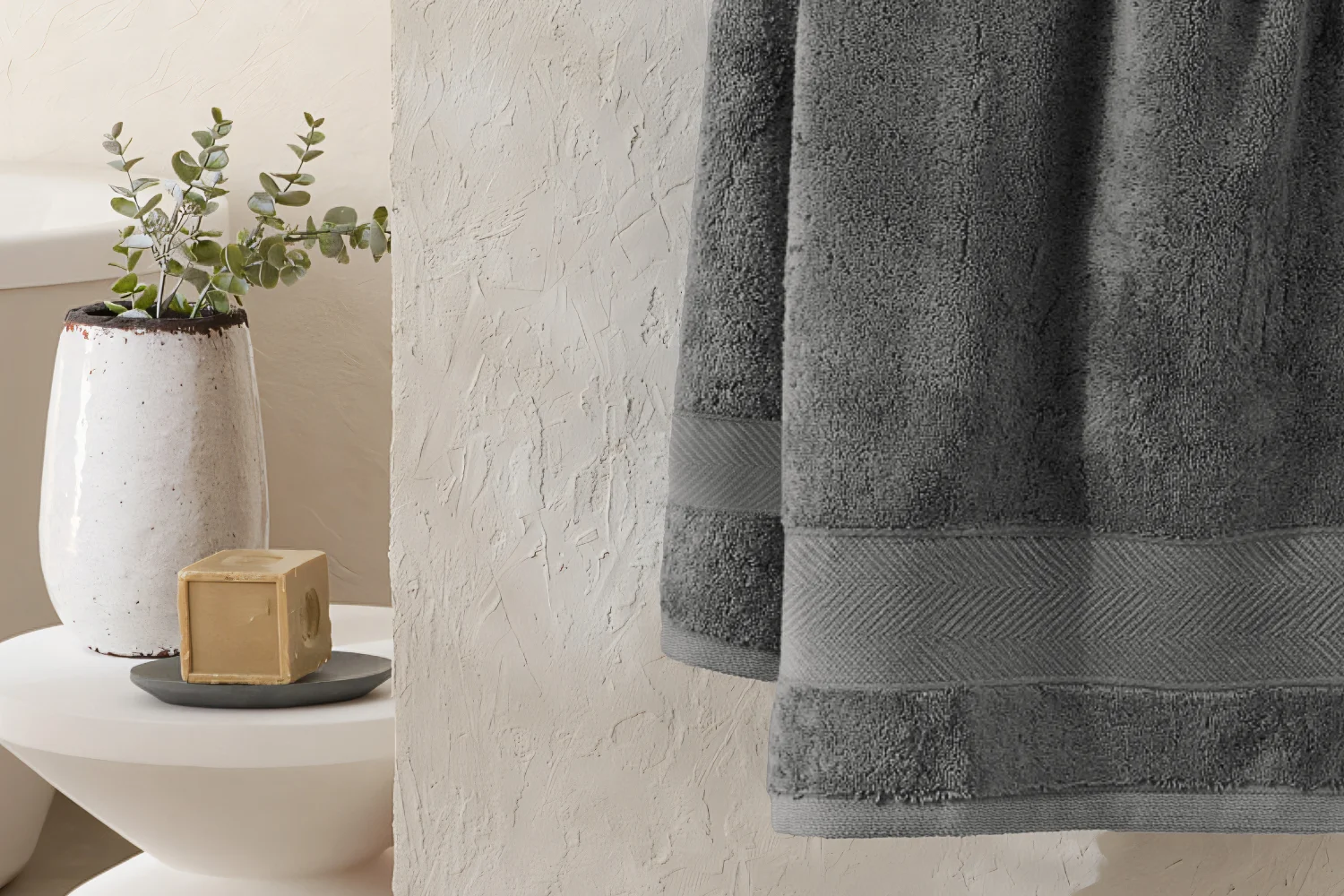
When combined with cotton, bamboo creates towels that are softer, more absorbent, and longer-lasting than traditional alternatives — reducing laundry frequency and resource waste.
Why Natural Materials Create Truly Clean Homes
True cleanliness is about creating environments where dirt, bacteria, and odours can’t thrive in the first place. Natural materials excel because they:
- Regulate Moisture — preventing mould, mildew, and bacteria growth.
- Encourage Longevity — lasting longer means fewer replacements and less waste.
- Reduce Chemical Dependence — less need for synthetic cleaners when surfaces stay dry and fresh naturally.
- Enhance Well-Being — tactile comfort, breathable fibres, and better air quality improve daily life.
Clean homes aren’t just about surface shine — they’re about harmony between the materials we use and the biology of our environment.
Practical Ways to Embrace the Hidden Science
You don’t need to redesign your entire home to benefit from natural materials. Start with small steps:
- Replace fabric bath mats with a diatomite stone mat.
- Try bamboo cotton towels for softer, fresher laundry.
- Use wooden cutting boards instead of plastic ones.
- Switch from disposable plastic sponges to natural loofahs.
- Decorate with clay, stone, or wood instead of synthetic ornaments.
Each of these swaps taps into the hidden science of clean — leveraging natural properties instead of fighting against them with chemicals and disposables.
Conclusion
Clean isn’t just what meets the eye. It’s the invisible balance of moisture, bacteria, air quality, and surface behaviour that defines how healthy and sustainable our spaces truly are.
Natural materials like diatomite, bamboo, wood, and clay embody this hidden science of clean. They work with nature, not against it, creating homes that are safer, fresher, and more enduring.
By embracing these materials, we go beyond surface-level cleanliness. We create spaces that stay clean naturally, reduce waste, and bring us closer to a sustainable future.
At Pure Habitat Initiative, we believe that clean living means more than tidy surfaces — it means living in alignment with the science of nature itself.

Affiliate Information
PureHabitat Initiative participates in affiliate programs to support our mission of promoting sustainable living practices. When you click on a link and make a purchase through Amazon or another external website, you contribute to our efforts to provide vital resources that improve health, create safer living environments, and foster eco-friendly values.
Our mission is to empower communities by offering the knowledge and tools needed to embrace sustainability. We are committed to raising awareness, providing accessible resources, and fostering partnerships that support healthier, more environmentally conscious lifestyles.
We believe that everyone deserves access to the information and resources necessary to make sustainable choices for a healthier future. Your support helps us continue our work to create lasting positive change in communities worldwide.
Thank you for helping us make a difference!