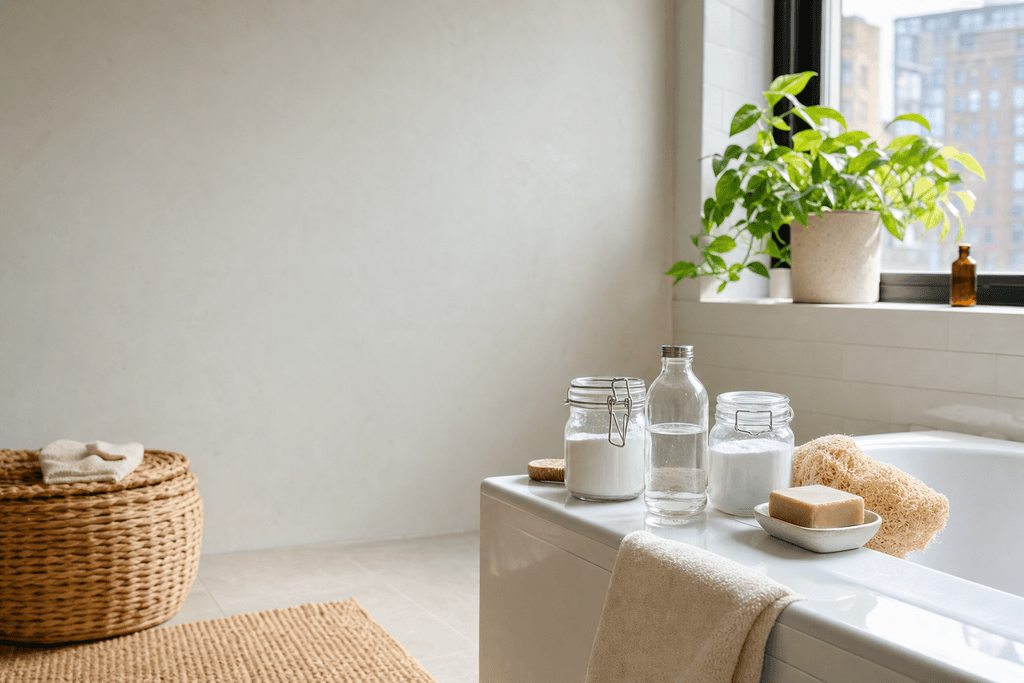
Your bathroom might look clean, but it’s quietly creating mountains of waste you never see. Between disposable razors, plastic bottles, and single-use cotton products, the average person tosses 70 pounds of bathroom trash every year into landfills. Renters face an extra challenge because most eco friendly bathroom solutions require permanent changes that landlords won’t approve, but there are simple swaps that can help you reduce waste without drilling a single hole or replacing any fixtures.
Table of Contents
- Why Rental Bathrooms Are Waste Hotspots
- Simple Product Swaps That Eliminate Plastic Waste
- Everyday Swaps You Can Make Right Now
- Step-by-Step Organization Guide
- The Real Impact of Rental Bathroom Changes
- Your Rental Bathroom Can Be a Sustainability Win
- Common Questions About Eco Friendly Rental Bathrooms
Why Rental Bathrooms Are Waste Hotspots
The average person tosses about 70 pounds of bathroom waste into landfills every single year. Most of that comes from plastic bottles, disposable razors, and single-use products that pile up faster than you’d think. When you’re renting, the problem gets even trickier because you can’t just swap out old fixtures or drill holes for fancy new storage systems. You’re stuck working with what the landlord gave you, and that usually means outdated everything.
Single-Use Products Take Over
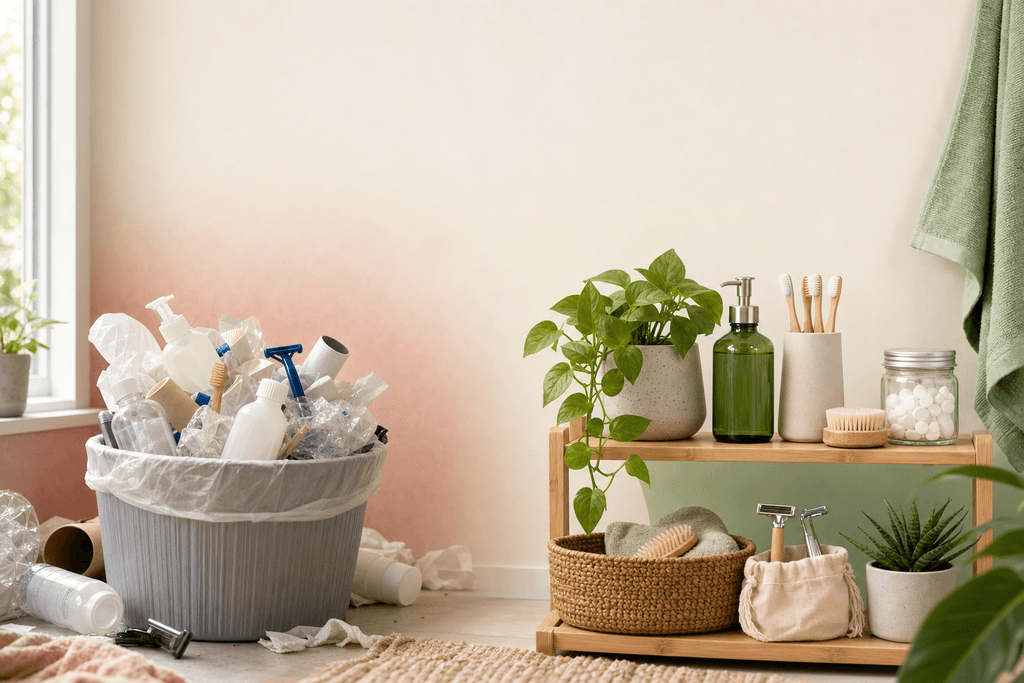
Rental bathrooms become dumping grounds for throwaway items without anyone really noticing. The convenience of grab-and-go products makes it easy to forget how much waste builds up over time. Here’s what typically fills rental bathroom trash cans:
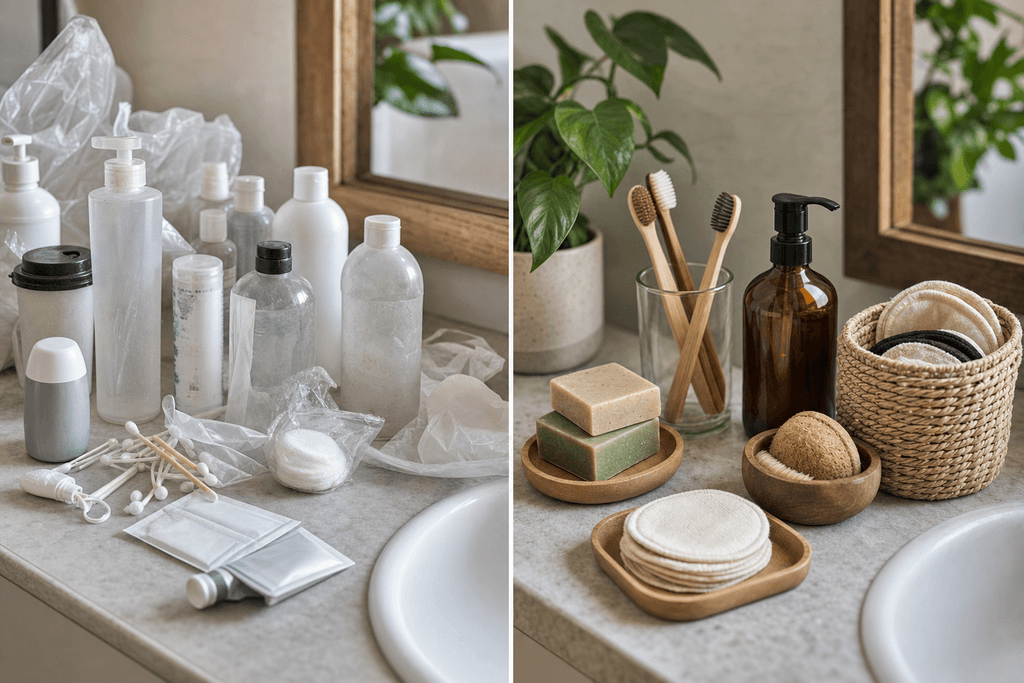
- Plastic shampoo and conditioner bottles that get replaced every few weeks
- Disposable razors that last maybe five shaves before hitting the bin
- Cotton rounds and makeup wipes used once then tossed
- Travel-size toiletries from hotels that seem too small to matter
- Plastic toothbrushes replaced every three months
These items add up to serious waste. Americans throw away 550 million toothbrushes alone each year, and most end up in oceans or landfills where they’ll sit for centuries.
Water Waste From Old Fixtures
Landlords don’t usually rush to upgrade bathroom fixtures unless something breaks completely. That means renters often deal with toilets and showerheads from decades ago that guzzle water like there’s no tomorrow. The numbers tell a pretty clear story:
| Fixture Type | Old Model Usage | New Model Usage | Waste Per Year |
|---|---|---|---|
| Toilet | 3.5 gallons/flush | 1.28 gallons/flush | 8,000+ gallons |
| Showerhead | 5 gallons/minute | 2 gallons/minute | 7,300 gallons |
| Faucet | 2.2 gallons/minute | 1.5 gallons/minute | 3,000 gallons |
You can’t exactly replace your landlord’s toilet, but there are temporary fixes that work. At PureHabitat Initiative, we help renters find removable solutions that cut water waste without breaking lease agreements.
Plastic Packaging Piles Up Fast
Personal care products come wrapped in so much plastic that it’s almost impossible to avoid. Every bottle of body wash, tube of toothpaste, and container of face cream adds another piece of plastic to your eco friendly bathroom waste problem. The packaging often weighs more than the actual product inside.
Renters face unique challenges because storage space is usually limited. This pushes people toward buying smaller bottles more often, which means even more packaging waste. The bathroom generates about 30% of household plastic waste, according to research on consumer habits. Most rental bathrooms lack the cabinet space for bulk buying or refillable options that could reduce waste.
The good news is that you don’t need to own your home to make a difference. Simple swaps and temporary solutions can help you create a zero-waste bathroom even in a rental. The key is finding products and habits that work with your space limitations, not against them.
Simple Product Swaps That Eliminate Plastic Waste
The average person throws away about 185 pounds of plastic each year, and a surprising amount of that comes from the bathroom. When you’re renting, you might think your options for creating an eco friendly bathroom are limited, but the truth is that some of the biggest changes don’t require any renovations at all. The products you choose make a huge difference, and most swaps are easier than you’d expect.
Switching from liquid soap to bar soap and shampoo bars is probably the simplest change you can make today. These bars last longer than bottled versions, cost less over time, and come in minimal packaging that’s usually compostable. You don’t need special storage or fancy dishes, just a simple soap holder that drains water properly.
Everyday Swaps You Can Make Right Now
- Replace disposable cotton rounds with reusable ones made from organic cotton or bamboo that you can wash and use for years
- Switch to bamboo toothbrushes instead of plastic ones that take 400 years to decompose
- Buy refillable containers for products like hand soap and lotion rather than purchasing new bottles every time
- Choose plastic-free dental floss in glass containers with silk or bamboo fiber instead of nylon
- Use safety razors with replaceable blades instead of disposable plastic razors
The PureHabitat Initiative offers resources to help you find sustainable bathroom products that actually work. Through our resource sharing programs, we connect communities with suppliers who prioritize both quality and environmental responsibility. These aren’t just feel-good purchases that break after a week.
Simple Product Swaps That Eliminate Plastic Waste
One thing people don’t realize is that refillable containers can save you serious money. Many stores now offer bulk refill stations for common bathroom products, and some brands will ship you concentrated refills that use 80% less plastic. You keep the same pump bottle and just add the refill when you run low.
Water Saving Tricks That Don’t Require Installation
Bathrooms account for nearly 60% of indoor water use in most homes, which means they’re also where you have the biggest opportunity to reduce waste. The good news for renters is that you don’t need your landlord’s permission for most water-saving methods. Many solutions are completely temporary and can move with you when your lease ends.
Removable low-flow showerheads and faucet aerators are game changers that take about five minutes to install. You just unscrew your current showerhead, screw on the new one, and you’re done. When you move out, you switch them back. These simple devices can cut your water use by 30-50% without making your shower feel weak or unsatisfying.
| Bathroom Activity | Standard Water Use | With Conservation |
|---|---|---|
| 10-minute shower | 25 gallons | 12 gallons |
| Brushing teeth | 4 gallons | 0.25 gallons |
| Washing hands | 2 gallons | 0.5 gallons |
| Face washing | 2 gallons | 0.5 gallons |
Using a shower timer might sound extreme, but it’s actually pretty helpful once you get used to it. You can find waterproof timers that stick to your shower wall, or just use your phone. Most people don’t realize how long they actually spend in the shower until they start tracking it.
Here’s something practical that costs nothing at all. While you’re waiting for your shower water to heat up, collect that cold water in a bucket. You can use it to water plants, fill your pet’s bowl, or even flush the toilet. It sounds small, but this can save 2-3 gallons every single day. The same goes for turning off the water while you’re brushing your teeth or soaping up in the shower.
If you notice a leaky faucet, you can often fix it yourself with basic tools and a replacement washer from the hardware store. Even if you’re not handy, there are temporary solutions like faucet repair tape that can stop small leaks until your landlord addresses the issue. A faucet that drips once per second wastes over 3,000 gallons per year, according to research from the University of Michigan’s sustainability program.
Smart Storage Solutions for Zero Waste Bathrooms
Creating an eco friendly bathroom isn’t just about what products you buy. It’s also about how you organize them so that sustainable choices become the easy choices. When your reusable items are stored properly and easy to access, you’re way more likely to actually use them instead of falling back on disposable options. Most rental bathrooms are pretty small, which means you need to get creative with your storage approach.
Removable shelving and adhesive hooks are your best friends as a renter. You can find command hooks that hold surprising amounts of weight without damaging walls, and over-the-toilet shelving units that don’t require any drilling. These give you space to organize your sustainable products without losing your security deposit.
Step-by-Step Organization Guide
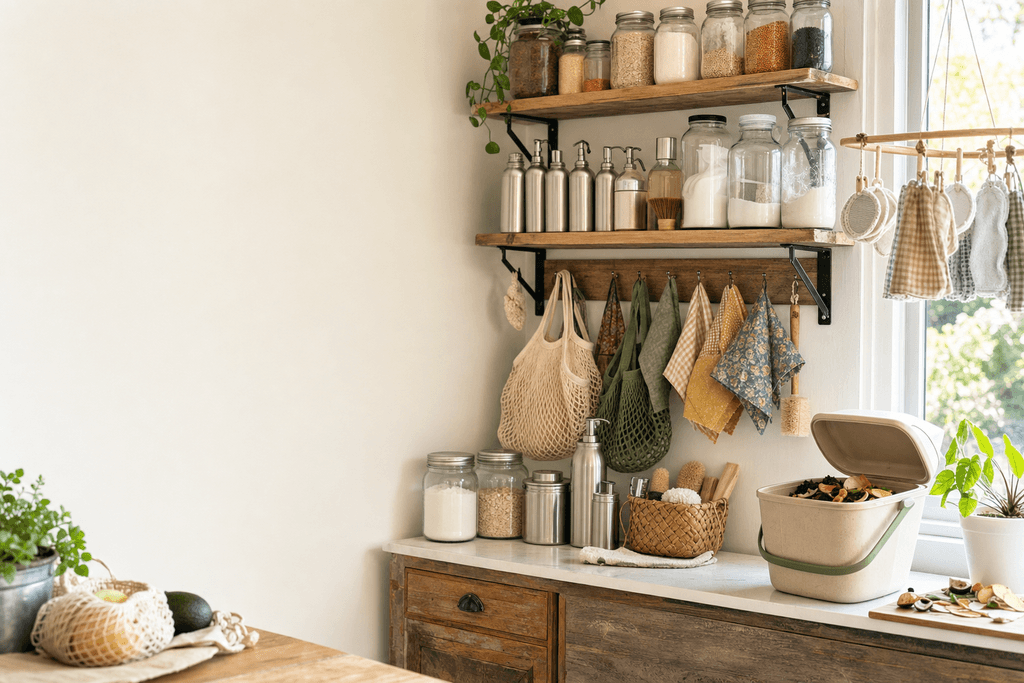
- Designate a refill station where you keep bulk products and refillable containers together in one spot
- Store reusable items at eye level so they’re the first thing you see and reach for
- Use glass jars for cotton rounds, safety razor blades, and other small items that need to stay dry
- Create a drying area for items like reusable cotton rounds and washcloths using a small hanging rack
- Keep a small compost container under the sink for items like hair, nail clippings, and cotton waste
Glass jars and containers aren’t just better for the environment than plastic. They also help you see exactly what you have and when you’re running low. You can repurpose old pasta sauce jars or buy matching sets if you want things to look nice. Either way, storing bulk refills properly means they last longer and you waste less.
Water Saving Tricks That Don’t Require Installation
The PureHabitat Initiative’s educational programs teach communities how to set up systems that actually stick. Through our workshops, we’ve seen that people who organize their eco-friendly bathroom items thoughtfully are three times more likely to maintain their sustainable habits long-term. It’s not about perfection, it’s about making the right choice the convenient choice.
One trick that works really well in small bathrooms is using vertical space that usually goes to waste. The back of your bathroom door can hold an over-the-door organizer for storing products. The space above your toilet can fit a narrow shelving unit. Even the inside of cabinet doors can hold small adhesive baskets for items you use daily.
For bathroom waste that can be composted, like hair from your hairbrush or nail clippings, you can keep a small container with a lid under your sink. This might sound weird at first, but these materials break down naturally and add nutrients to compost. You can learn more about sustainable bathroom practices through resources like this guide on eco-friendly bathroom design, which covers the science behind various sustainable choices.
The key to making any of this work long-term is creating systems that fit your actual routine. If you have to dig through three cabinets to find your reusable cotton rounds, you’ll probably just grab a disposable one instead. But when everything has a clear home and makes sense for how you move through your morning, sustainable choices become automatic.
The Real Impact of Rental Bathroom Changes
A single person switching to a low-flow showerhead saves about 2,700 gallons of water every year. That number might not sound huge until you realize it’s enough to fill a small swimming pool. When renters make simple swaps in their bathrooms, the changes add up faster than most people expect. The math gets even more interesting when you look at what happens over months and years, not just days.
Annual savings from basic eco-friendly bathroom swaps:
- Low-flow showerhead: 2,700 gallons of water and $40-60 on utility bills
- Reusable cotton rounds vs disposable: 730 single-use items eliminated, saving $50-80
- Bar soap vs liquid soap bottles: 4-6 plastic bottles avoided per person
- Bamboo toothbrush: 1 plastic toothbrush diverted from landfills every 3 months
Comparing Costs Over Time
Most people assume that choosing an eco friendly bathroom setup costs more money upfront. That’s sometimes true, but the long-term numbers tell a different story. A quality bamboo toothbrush might cost $4 compared to $2 for plastic, but when you factor in durability and the waste you avoid, the investment pays off.
| Product Type | Conventional Cost (Annual) | Eco-Friendly Cost (Annual) | Waste Reduction |
|---|---|---|---|
| Toilet Paper | $120 | $140 (recycled) | 30% less packaging |
| Cleaning Products | $85 | $65 (concentrate refills) | 12 plastic bottles saved |
| Personal Care | $200 | $180 (bar alternatives) | 15-20 bottles avoided |
| Cotton Products | $95 | $45 (reusable) | 1,500+ disposable items |
Water Savings That Actually Matter
Water costs vary by location, but the average American pays about $1.50 per 1,000 gallons. When you install a low-flow showerhead and cut your shower time by just two minutes, you’re looking at real money back in your pocket. Add a faucet aerator for another $25 yearly savings, and suddenly these small changes feel worth the effort.
- Low-flow showerhead reduces flow from 2.5 to 2.0 gallons per minute
- Faucet aerators cut sink water use by 30-50%
- Fixing a leaky toilet can save 200 gallons per day
- Shorter showers (8 minutes vs 10) save 5,000 gallons annually
The Multiplier Effect in Communities
Here’s where things get interesting. If just 100 renters in an apartment complex make these bathroom swaps, they collectively reduce waste by over 150,000 single-use items per year. That’s 100 fewer garbage bags going to landfills every month from one building alone. Organizations like the National Association of Realtors track sustainable bathroom practices and report that community-wide adoption creates momentum that individual efforts can’t match.
PureHabitat Initiative works with rental communities to measure these collective impacts through resource sharing programs and environmental education. When neighbors see real results from their peers, adoption rates jump by 40-60% compared to solo efforts. The data shows that community support turns temporary experiments into lasting habits.
Community-wide impact when 100 renters adopt eco-friendly bathroom practices:
- 270,000 gallons of water saved annually
- 1,500+ plastic bottles kept out of waste streams
- $4,000-6,000 in collective utility savings
- 150,000 single-use items eliminated per year
Your Rental Bathroom Can Be a Sustainability Win
Making your rental bathroom more eco friendly doesn’t require a complete overhaul or permission from your landlord. The easiest changes to start with are the ones that don’t involve any permanent modifications, like switching to bar soap and shampoo, using reusable cotton rounds instead of disposable ones, and replacing paper towels with washable cloths. These simple swaps can reduce waste by hundreds of pounds each year without costing you much upfront.
Small steps really do add up when it comes to sustainability. Even if you only make one or two changes from this list, you’re still making a difference that matters.
Being a renter actually gives you some unique advantages. You can test different eco friendly bathroom products and habits without the pressure of a long-term commitment, and when you eventually move, you take all your sustainable practices with you to the next place.
The best part about these changes is how they often save money over time while cutting down on waste. Sharing what works with your neighbors and friends can help create a ripple effect that goes way beyond just your bathroom.
If you’re looking for more guidance on sustainable living practices, PureHabitat Initiative offers educational resources and community support that can help you figure out which changes make the most sense for your situation. Sometimes having access to the right information makes all the difference between wanting to live more sustainably and actually doing it.
Common Questions About Eco Friendly Rental Bathrooms
Making your rental bathroom more sustainable can feel tricky when you’re not the owner. Most renters worry about breaking lease rules or losing their security deposit over simple changes. The good news is that most eco friendly bathroom updates are completely reversible and don’t require any permanent modifications. Here are the answers to questions we hear most often from renters who want to reduce waste without risking their lease.
Can I make these changes without landlord permission?
Most eco friendly bathroom swaps don’t need landlord approval because they’re not permanent changes. Switching to reusable products, adding a shower bucket to catch water, or replacing your shower curtain with a non-toxic one are all fair game. If you want to install something like a low-flow showerhead or faucet aerator, these typically just screw on and off without tools, so they’re considered temporary modifications. Just keep the original fixtures in a safe place so you can swap them back before moving out.
What if my rental has old water-wasting fixtures?
Old fixtures are actually the perfect opportunity to save water and money on your utility bills. You can replace outdated showerheads and faucet aerators with low-flow versions for under $20 each, and the installation takes about five minutes with no tools needed. These simple swaps can cut your water use by 30-50% without reducing pressure, which means lower bills each month. Store the original fixtures in a closet and reinstall them when your lease ends.
Are eco friendly bathroom products more expensive?
The upfront cost might be slightly higher, but you’ll actually save money over time. A set of reusable cotton rounds costs about $12 and replaces hundreds of disposable ones. Bar shampoo and soap last longer than bottled versions and often cost less per use. The PureHabitat Initiative helps communities access affordable sustainable products through resource sharing programs, making it easier to find budget-friendly options. Most renters find they spend less overall once they make the switch.
How do I dispose of bathroom items I’m replacing?
Don’t just toss everything in the trash when you’re switching to eco friendly alternatives. Partially used toiletries can go to homeless shelters or women’s shelters who always need donations. Old towels and washcloths are perfect for animal shelters. Empty plastic bottles should be rinsed and recycled if your city accepts them, though many bathroom plastics aren’t recyclable and highlight why reducing waste matters so much. Check with local recycling programs before throwing anything away.
What happens to my eco friendly items when I move?
One of the best parts about choosing reusable and sustainable bathroom products is that they move with you. Your bamboo toothbrush, safety razor, bar soaps, and reusable containers all pack up easily for your next place. Any fixtures you installed just unscrew and can be reinstalled in your new bathroom in minutes. This makes eco friendly bathroom choices perfect for renters who move frequently.
Where can I find affordable sustainable bathroom products?
You don’t need specialty stores to find good options anymore. Many regular grocery stores now carry bar shampoo, bamboo toothbrushes, and refillable containers. Online marketplaces offer bulk deals on items like reusable cotton rounds and Swedish dishcloths. Organizations like PureHabitat Initiative provide educational resources and community connections that help you discover local options and money-saving strategies for sustainable living. Thrift stores are also great for finding glass jars and containers to repurpose for bathroom storage.