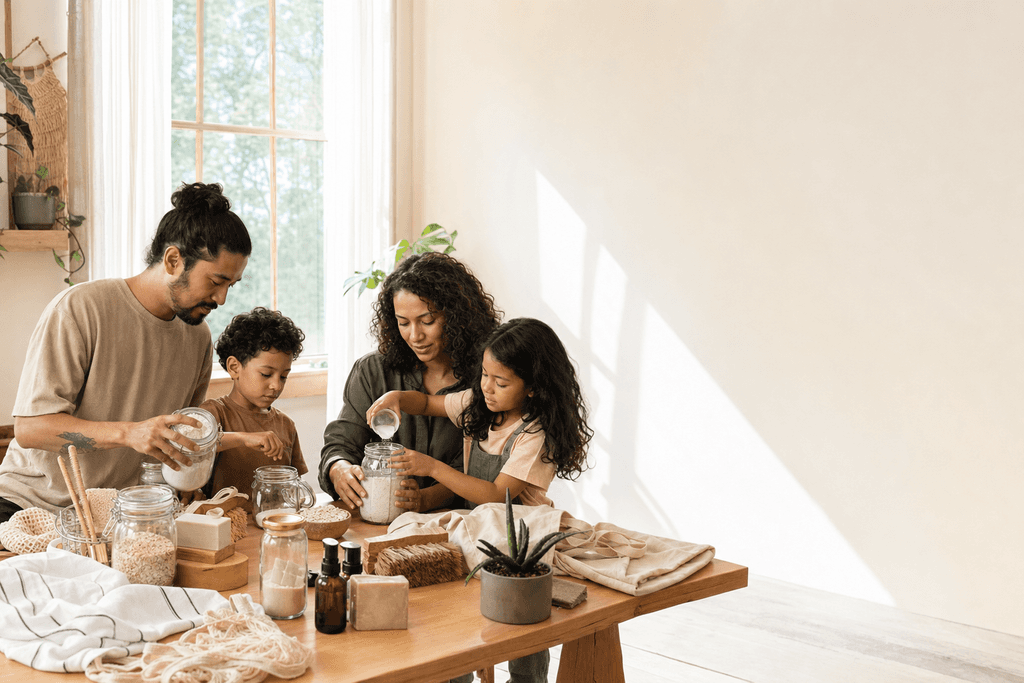
Most families toss out enough waste each year to fill a small bedroom, yet switching to sustainable products can slash that pile by more than half without much effort. Your green home journey doesn’t require a complete overhaul or a huge budget, just smarter choices about the everyday items you already buy. The PureHabitat Initiative helps communities discover which simple swaps make the biggest difference for both your wallet and the planet.
Table of Contents
Kitchen Essentials That Cut Waste in Half
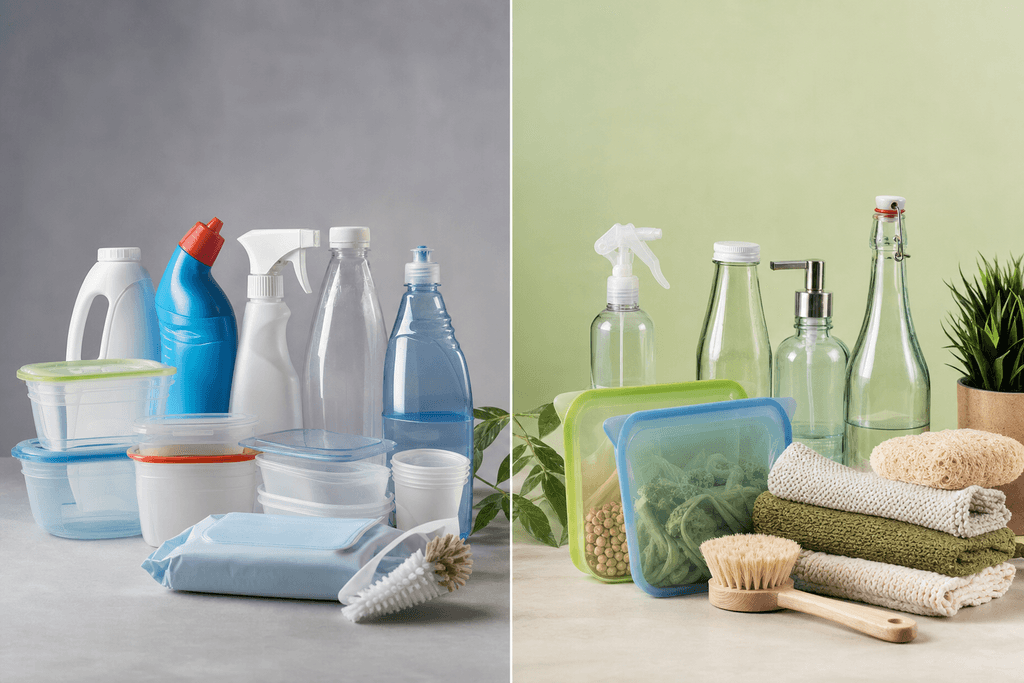
The average American family throws away about 25 percent of the food and beverages they buy, and most of that waste happens in the kitchen. But here’s something most people don’t realize: the packaging and single-use items we use to store and prepare food create even more waste than the food itself. Switching to sustainable products in your kitchen doesn’t mean overhauling everything at once. Small changes add up fast, and some of these swaps will actually save you money in the long run. The key is knowing which products make the biggest difference and which ones are just greenwashing.
Kitchen Essentials That Cut Waste in Half
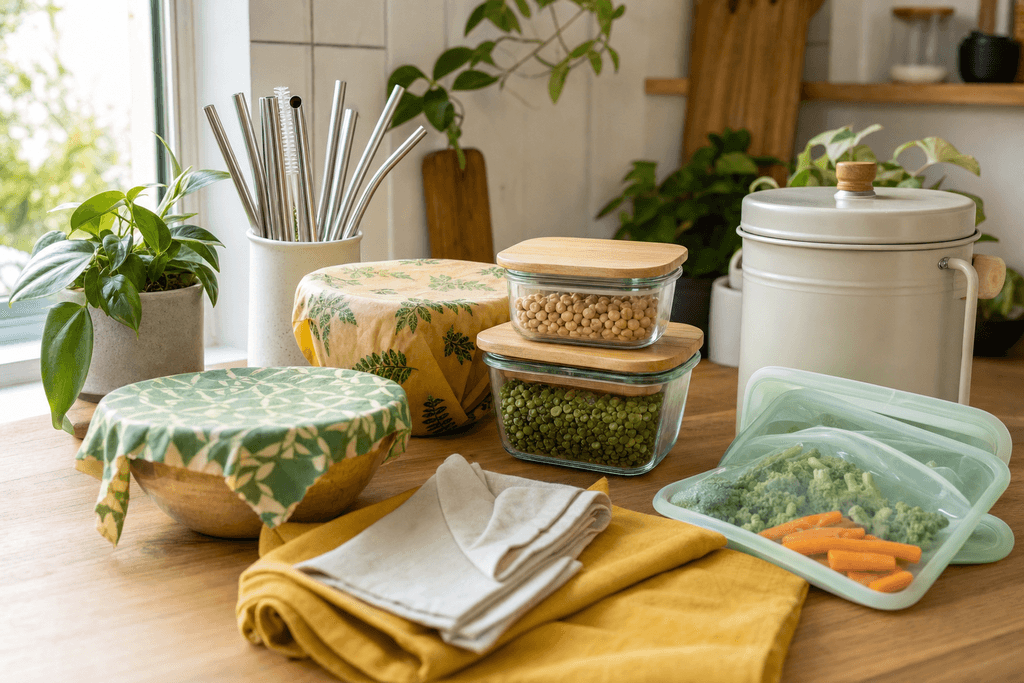
Start with the items you use every day. Reusable food storage alternatives like silicone bags and beeswax wraps replace hundreds of plastic bags and rolls of plastic wrap each year. These aren’t just better for the planet, they actually work better too.
- Beeswax wraps mold to any container shape and keep food fresh longer than plastic wrap
- Silicone storage bags can go from freezer to microwave and last for years
- Glass containers with bamboo lids never stain or hold odors like plastic does
- Stainless steel lunch boxes replace disposable bags for packed meals
Cleaning your kitchen generates a shocking amount of waste. Most people go through a new sponge every week or two, and those synthetic sponges take hundreds of years to break down in landfills. Compostable sponges made from plant fibers work just as well and decompose in weeks, not centuries. Pair them with biodegradable dish soap in refillable containers, and you’ve eliminated two major sources of plastic waste.
| Item | Traditional Cost/Year | Sustainable Cost/Year | Lifespan |
|---|---|---|---|
| Plastic wrap | $36 | $25 (beeswax wraps) | 1 year vs 1+ years |
| Plastic bags | $48 | $30 (silicone bags) | Single-use vs 5+ years |
| Sponges | $52 | $36 (compostable) | 2 weeks vs 4 weeks |
| Bottled water | $456 | $75 (filter system) | Ongoing vs 6 months |
Water bottles might be the easiest win for your wallet and the environment. A good water filtration system costs less than what most families spend on bottled water in three months. Through our resource sharing programs at PureHabitat Initiative, we help communities access quality filtration systems that eliminate the need for single-use plastic bottles entirely.
Bathroom Swaps That Save Money and the Planet
Your bathroom probably contains more plastic than any other room in your house. Shampoo bottles, disposable razors, cotton swabs, makeup remover pads, and cleaning products all come wrapped in plastic that gets tossed after a few uses. The personal care industry produces over 120 billion units of packaging every year, and most of it isn’t recyclable despite what the labels claim. Making your bathroom a green home space is easier than you think, and many of these swaps actually improve your health while cutting costs.
Bathroom Swaps That Save Money and the Planet
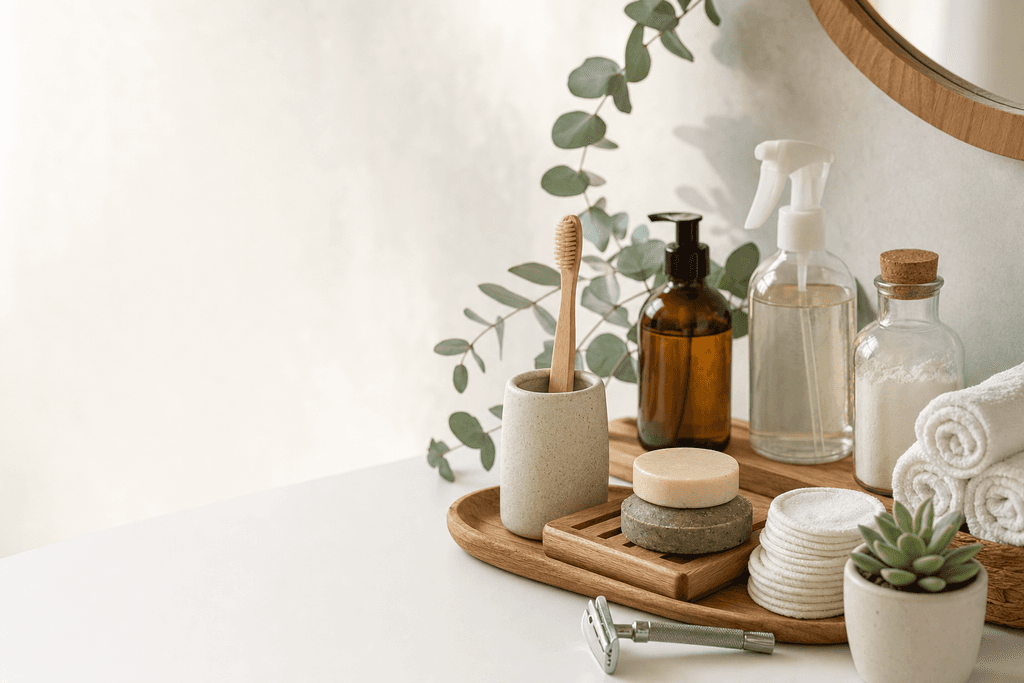
Bamboo toothbrushes work exactly like plastic ones but decompose naturally instead of sitting in a landfill for 400 years. Pair them with toothpaste tablets or powder in glass jars, and you’ve eliminated another plastic tube from your routine. These small changes might seem insignificant, but multiply them by every person in your household and every day of the year.
The biggest game-changer for most people is switching to shampoo bars and package-free soap. One bar replaces three plastic bottles and lasts just as long. They’re concentrated, so you’re not paying to ship water around the country in plastic containers.
- Shampoo and conditioner bars eliminate 2-3 plastic bottles per person every few months
- Reusable cotton rounds replace hundreds of disposable ones each year
- Safety razors cost more upfront but save hundreds over time with cheap blade refills
- Refillable containers for hand soap and cleaning products cut packaging waste by 90 percent
- Low-flow fixtures reduce water usage by up to 60 percent without sacrificing pressure
Here’s what most people don’t know about safety razors: they give you a better shave than disposable cartridge razors, and replacement blades cost about 10 cents each instead of $3-5. The initial investment pays for itself in less than a year. Zero waste case studies show that families who make these bathroom swaps reduce their plastic waste by an average of 40 percent.
Start with these high-impact swaps first: replace your plastic toothbrush, switch to bar soap and shampoo, and get reusable cotton rounds. These three changes alone eliminate dozens of plastic items from your trash each month. PureHabitat Initiative provides educational resources that walk you through each swap step by step, so you’re never guessing about what actually works.
Living Spaces That Breathe Better
Indoor air quality is often worse than outdoor air, even in cities with pollution problems. The culprit isn’t just dust or pet dander. Most conventional furniture, carpets, and cleaning products release chemicals called volatile organic compounds that build up in enclosed spaces. These chemicals can trigger allergies, headaches, and respiratory issues. Creating a green home in your living areas means choosing sustainable products that don’t off-gas toxins into the air your family breathes every day. The good news is that natural alternatives often cost the same or less than their chemical-laden counterparts.
Natural fiber textiles like organic cotton, linen, and wool regulate temperature better than synthetic fabrics and don’t release microplastics when you wash them. Look for furniture with organic upholstery or covers you can remove and clean without harsh chemicals.
- Organic cotton and linen for curtains, throw pillows, and upholstery
- Wool rugs that naturally resist stains and don’t need chemical treatments
- Non-toxic floor cleaners made from plant-based ingredients
- LED bulbs that use 75 percent less energy than traditional bulbs
- Reclaimed wood furniture that keeps materials out of landfills
Cleaning products are one of the biggest sources of indoor air pollution. Most conventional cleaners contain ingredients that irritate lungs and skin, but non-toxic cleaning supplies work just as well without the chemical smell. Vinegar, baking soda, and castile soap handle 90 percent of household cleaning tasks. For everything else, look for plant-based products in refillable containers.
Plants do more than look nice. Certain species actively filter toxins from the air. Snake plants, pothos, and spider plants are nearly impossible to kill and remove formaldehyde, benzene, and other common indoor pollutants. They also add humidity to dry indoor air naturally.
Making the switch to sustainable products throughout your home can feel overwhelming when you’re starting from scratch. That’s exactly why PureHabitat Initiative offers comprehensive resource sharing and educational programs that guide communities through whole-home transitions. We connect people with the tools and information they need to make changes that stick, not just buy a few green products and give up when it gets complicated. Our community empowerment approach means you’re learning alongside neighbors who are making the same changes, which makes the whole process easier and more effective.
The Real Impact of Going Low-Waste
The average American household throws away roughly 4.5 pounds of trash every single day, which adds up to over 1,600 pounds per year. When you switch to sustainable products for your green home, the numbers start working in your favor instead of against the planet. The financial benefits alone make a compelling case, but the health and environmental advantages create a complete picture of why low-waste living matters. Most people don’t realize that making these changes affects more than just their recycling bin. The ripple effects touch everything from monthly utility bills to community-wide waste management costs.
Financial Savings That Add Up
Switching to reusable and sustainable products might seem expensive at first, but the math tells a different story. A typical household can save between $500 and $1,200 in the first year alone by replacing disposable items with durable alternatives.
$3,500 – $7,000 saved over 5 years by choosing reusable products
$8,000 – $15,000 saved over 10 years with consistent low-waste habits
These savings come from eliminating repeat purchases of paper towels, plastic bags, disposable cleaning supplies, and single-use containers. The PureHabitat Initiative tracks these metrics across communities and consistently sees households reduce their consumable product spending by 40-60% within two years.
Waste Reduction by the Numbers
The environmental impact becomes clear when you look at actual waste diversion rates. Families who commit to low-waste living typically see dramatic changes in what leaves their home.
- Average household waste drops from 1,600 pounds to 600-800 pounds annually
- Plastic waste specifically decreases by 70-85% in the first year
- Recycling contamination rates improve when fewer disposable items enter the waste stream
- Composting organic materials can divert another 200-400 pounds from landfills
According to research on zero-waste lifestyles, individuals who adopt these practices report significant behavioral changes that extend beyond their own homes. When one family on a block starts composting or using reusable shopping bags, neighbors notice and often follow suit.
Health Benefits from Cleaner Choices
Toxic chemicals hide in many conventional household products, from cleaning supplies to food storage containers. Making the switch to sustainable products eliminates exposure to harmful substances that accumulate over time.
- Reduced exposure to BPA, phthalates, and other endocrine disruptors found in plastics
- Lower indoor air pollution from harsh chemical cleaners and air fresheners
- Fewer respiratory issues reported in homes using natural cleaning products
- Decreased skin irritation and allergic reactions from synthetic materials
Families with young children see particularly noticeable improvements. Kids spend more time on floors and put objects in their mouths, making them more vulnerable to chemical exposure from conventional products.
Carbon Footprint Reduction
| Action | Annual CO2 Reduction |
|---|---|
| Reusable shopping bags | 50-100 lbs |
| Cloth napkins vs paper | 75-120 lbs |
| Reusable water bottles | 150-200 lbs |
| Composting food waste | 300-500 lbs |
| LED bulbs and energy efficiency | 400-600 lbs |
These individual actions might seem small, but they compound quickly. A household making all these changes can reduce their carbon footprint by over 1,000 pounds of CO2 annually, which equals taking a car off the road for about a month.
Community-Wide Transformation
The real magic happens when entire neighborhoods embrace low-waste living together. PureHabitat Initiative has documented this phenomenon across multiple communities, and the results consistently exceed individual household impacts.
- Neighborhood waste collection costs drop by 15-25% when multiple households reduce trash output
- Local recycling programs become more efficient with less contamination
- Community gardens and composting programs create social connections while diverting waste
- Shared tool libraries and resource exchanges reduce overall consumption
- Property values often increase in neighborhoods known for sustainability efforts
When ten families on a street adopt sustainable practices, they collectively divert over 10,000 pounds of waste from landfills each year. Scale that to a neighborhood of 100 homes, and you’re looking at 50 tons of waste reduction annually.
Measuring Progress and Accountability
Tracking impact matters because it keeps people motivated and shows what actually works. PureHabitat Initiative uses several methods to measure community progress, from simple waste audits to detailed carbon calculators. These tools help families see their progress in concrete terms rather than abstract concepts. Data-driven feedback turns sustainable living from a vague goal into an achievable target with measurable milestones.
- Monthly waste audits show exactly how much trash households divert
- Spending trackers reveal financial savings from reusable product investments
- Community dashboards display collective impact across neighborhoods
- Annual reports celebrate progress and identify areas for improvement
This measurement approach helps communities stay engaged long-term. The initial excitement of going low-waste can fade, but seeing real numbers keeps the momentum going year after year.
Your Green Home Journey Starts Today
Making your home more sustainable doesn’t mean you need to replace everything at once or spend a fortune on green products. The truth is, starting with just one room and making small swaps over time creates real change that actually sticks. Maybe you begin with the kitchen by switching to reusable food wraps, or you tackle the bathroom with bamboo toothbrushes and refillable soap dispensers. Each sustainable product you bring into your home is one less piece of waste heading to a landfill.
The numbers really do add up when you think about it. One person switching to a reusable water bottle saves around 156 plastic bottles per year. Now imagine what happens when your whole household makes similar changes across different areas of your green home.
Here’s what makes the transition easier than you might think:
- You don’t have to figure it all out alone
- Community support helps you stay motivated
- Educational resources guide you through each step
- Small changes build confidence for bigger ones
The PureHabitat Initiative offers educational programs and resource sharing that help people understand which sustainable products actually work for their lifestyle. We’ve seen families completely change their habits once they have the right information and community backing. Plus, since we’re a 501(c)3 organization, any donations you make are tax-deductible and go directly toward helping more communities access these resources.
You probably still have questions about where to start or which products make the biggest difference. That’s completely normal, and it’s exactly why we put together some answers to the most common questions people ask when they’re ready to create a greener home.
Common Questions About Sustainable Home Products
Making the switch to a green home can feel overwhelming when you’re just starting out. You probably have questions about cost, quality, and whether these products actually work as well as the stuff you’re used to buying. Here are the answers to the most common questions people ask when they’re thinking about switching to sustainable products.
Are sustainable products more expensive upfront?
Yes, many sustainable products cost more at first, but they usually save you money over time. A reusable water bottle might cost $25 compared to a $2 plastic one, but you won’t need to keep buying new bottles every few months. The same goes for things like cloth napkins, metal straws, and quality food storage containers that last for years instead of weeks.
How long do eco-friendly products actually last?
Most sustainable products are built to last much longer than their disposable counterparts. Bamboo toothbrushes last just as long as plastic ones (about three months), but stainless steel food containers can last decades with proper care. Quality matters here, which is why finding reliable sources for your green home products makes such a big difference in the long run.
Where can I find reliable sustainable products?
PureHabitat Initiative helps communities access vetted sustainable products through our resource sharing programs. We work directly with suppliers to make sure the products we recommend actually deliver on their eco-friendly promises. You can also find sustainable products at local zero-waste stores, farmers markets, and through community swap programs that we help organize.
What’s the easiest swap to start with?
Start with something you use every day, like switching from paper towels to cloth rags or bringing reusable bags to the grocery store. These simple changes don’t require much effort but make a noticeable impact on your waste output. Once you get comfortable with one swap, the next ones feel easier and more natural.
Do sustainable products work as well as traditional ones?
Most sustainable products work just as well or better than conventional options. Castile soap cleans dishes effectively, beeswax wraps keep food fresh, and vinegar-based cleaners handle most household messes. The main difference is that you might need to adjust your expectations about things like how products look or smell, since natural options don’t always have the artificial fragrances or bright colors you might be used to.
How can PureHabitat Initiative help my transition?
We offer educational workshops that teach you which swaps make the most sense for your lifestyle and budget. Our community empowerment programs connect you with neighbors who are on the same journey, so you can share tips and resources. We also provide access to sustainable products through our resource sharing network, making it easier to find quality items without spending hours researching online.