You probably think the biggest health threats come from outside your home, but the truth is that indoor air can be up to five times more polluted than the air outside. Most homes contain dozens of toxic chemicals hiding in everyday products like dish soap, furniture, and even your favorite scented candles. The good news is that switching to a non toxic home through sustainable shopping doesn’t have to be complicated or expensive, and organizations like PureHabitat Initiative are making it easier than ever to find safer alternatives that protect your family’s health.
Table of Contents
- Understanding Toxic Chemicals in Your Home
- Kitchen and Food Storage Essentials
- Bathroom and Personal Care Products
- Cleaning Supplies and Laundry Products
- Living Spaces and Air Quality
- Making the Transition Sustainable and Affordable
- Your Path to a Healthier Home Starts Now
- Common Questions About Non Toxic Homes
Understanding Toxic Chemicals in Your Home
The average home contains over 62 toxic chemicals, and most people have no idea they’re breathing them in every single day. These chemicals hide in everyday products like cleaning sprays, air fresheners, and even the furniture you sit on. What makes this scary is that many of these substances weren’t properly tested for long-term health effects before they hit store shelves. When you start looking at labels and ingredient lists, you’ll notice that sustainable shopping and creating a non toxic home go hand in hand.

Where Harmful Chemicals Hide
Toxic chemicals sneak into your home through products you use without thinking twice. Your laundry detergent, dish soap, and bathroom cleaners are often loaded with ingredients that sound more like a science experiment than something safe for your family.
Here’s where these chemicals commonly show up:
- Cleaning products like all-purpose sprays, toilet bowl cleaners, and floor polish
- Personal care items including shampoos, lotions, and makeup
- Air fresheners, scented candles, and plug-in fragrances
- Furniture, carpets, and mattresses treated with flame retardants
- Non-stick cookware and food storage containers
Common Toxic Chemicals and Their Health Impacts
Understanding which chemicals to avoid is the first step toward sustainable shopping for a non toxic home. The table below shows some of the most common offenders and why they matter for your health.
| Chemical Name | Found In | Health Concerns |
|---|---|---|
| Phthalates | Fragrances, vinyl flooring | Hormone disruption, reproductive issues |
| Triclosan | Antibacterial soaps, toothpaste | Antibiotic resistance, thyroid problems |
| Formaldehyde | Pressed wood, glues | Cancer, respiratory irritation |
| Parabens | Cosmetics, lotions | Hormone disruption, breast cancer risk |
| VOCs | Paints, air fresheners | Headaches, organ damage |
| BPA | Plastic containers, receipts | Hormone disruption, heart disease |
Long-term exposure to these chemicals doesn’t just cause immediate reactions like headaches or skin irritation. Research shows they can build up in your body over years, leading to serious health problems including asthma, allergies, and even certain cancers.
Making Sense of Labels and Certifications
Shopping for non toxic home products can feel overwhelming when every bottle claims to be “natural” or “eco-friendly.” The truth is that these terms aren’t regulated, so companies can slap them on anything. That’s where third-party certifications become your best friend for sustainable shopping.
Look for these trusted certifications when shopping:
- EPA Safer Choice for cleaning products
- USDA Organic for personal care and food items
- Green Seal for environmentally responsible products
- EWG Verified for products free from harmful chemicals
Organizations like PureHabitat Initiative help communities understand these labels through environmental education programs, making it easier for families to make informed choices. When you know what to look for, sustainable shopping becomes less about guessing and more about protecting your family’s health.
The connection between what you buy and what ends up in your body is direct. According to the growing eco-friendly business sector, more companies are responding to consumer demand for safer products. Every purchase you make is either adding toxins to your home or helping create a healthier environment for everyone who lives there.
Kitchen and Food Storage Essentials
The average person touches their kitchen counters, cookware, and food storage containers dozens of times each day without thinking twice about what chemicals might be leaching into their meals. Most conventional non-stick pans contain PFAS chemicals that can transfer into your food when heated, and plastic containers often release harmful compounds when microwaved or exposed to acidic foods. Making the switch to non toxic home essentials in your kitchen doesn’t have to be complicated or expensive, but it does require knowing which materials are truly safe.
Kitchen and Food Storage Essentials
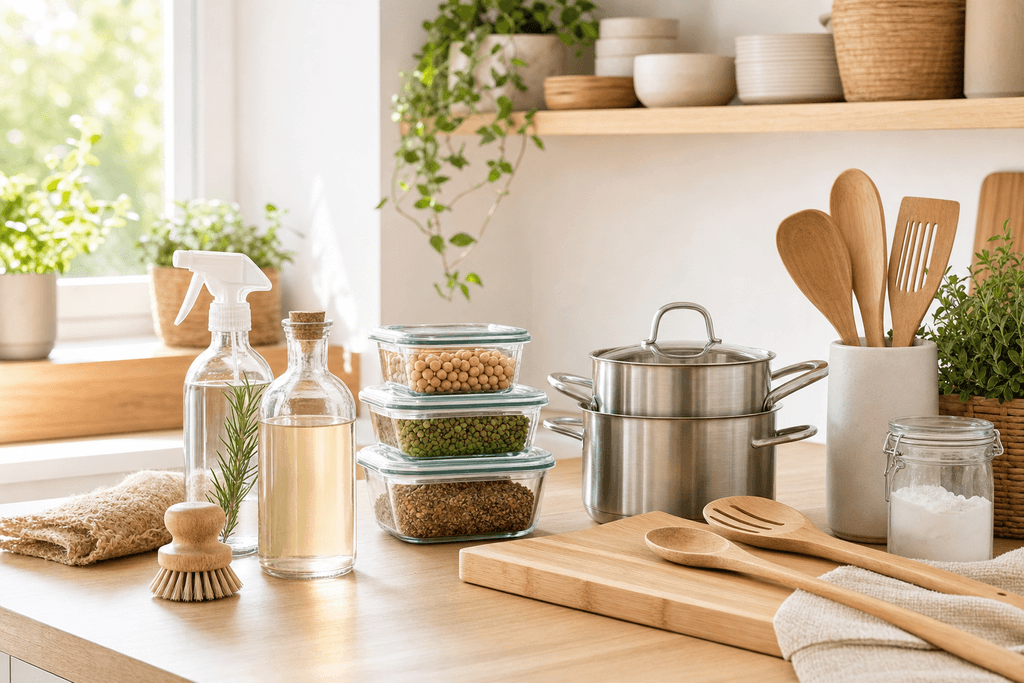
The best place to start is with your cookware. Stainless steel and cast iron are two of the safest options available because they don’t contain synthetic coatings that break down over time. Cast iron actually adds a small amount of iron to your food, which can be beneficial for people with iron deficiencies.
Priority Kitchen Swaps for Beginners
- Replace one non-stick pan with stainless steel or cast iron
- Switch plastic food storage to glass containers with silicone lids
- Choose a non toxic dish soap without synthetic fragrances
- Use beeswax wraps instead of plastic wrap
- Replace plastic cutting boards with wood or bamboo
When it comes to food storage, glass containers with silicone seals are the gold standard for keeping your leftovers fresh without chemical exposure. They’re microwave-safe, dishwasher-safe, and won’t stain or hold odors like plastic does. Silicone is heat-resistant and doesn’t contain BPA or phthalates, making it a smart choice for lids and baking mats.
Your dish soap matters more than you might think. Many conventional brands contain triclosan, synthetic fragrances, and sulfates that can irritate skin and contaminate water systems. Look for plant-based formulas with simple ingredient lists you can actually pronounce. Sustainable shopping guides can help you identify truly clean products versus those that just look green on the shelf.
Bathroom and Personal Care Products
Your bathroom cabinet probably contains more toxic chemicals than any other room in your house. The average woman uses 12 personal care products daily, exposing herself to over 160 unique chemical ingredients before breakfast. Many of these substances haven’t been adequately tested for long-term safety, and some are known hormone disruptors or carcinogens. The skin absorbs up to 60% of what you put on it, which means your shampoo, lotion, and toothpaste aren’t just sitting on the surface.
Bathroom and Personal Care Products
Parabens, phthalates, and synthetic fragrances are three of the biggest offenders hiding in personal care products. Parabens mimic estrogen in the body and have been found in breast tumor tissue. Phthalates are linked to reproductive issues and are often hidden under the vague term “fragrance” on ingredient labels.
Toxic Chemicals in Personal Care Products
| Chemical | Found In | Health Concern |
|---|---|---|
| Parabens | Lotions, shampoos | Hormone disruption |
| Phthalates | Fragrances, nail polish | Reproductive issues |
| Triclosan | Antibacterial soap | Antibiotic resistance |
| Formaldehyde | Hair products | Carcinogen |
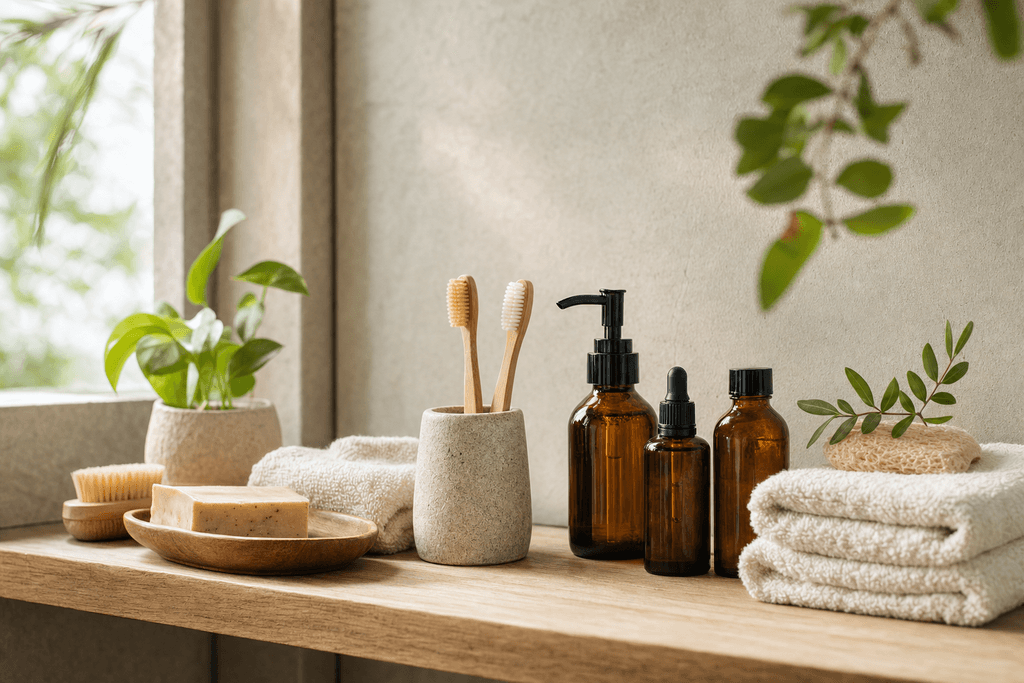
Natural alternatives don’t have to mean sacrificing performance. Castile soap works for everything from hand washing to shower gel, and coconut oil makes an excellent moisturizer and makeup remover. For bathroom cleaning, vinegar and baking soda handle most jobs without harsh fumes.
Reading labels is your best defense against greenwashing. Terms like “natural” and “eco-friendly” aren’t regulated, so companies can slap them on products that still contain questionable ingredients. Look for certifications from organizations like EWG Verified or USDA Organic. The PureHabitat Initiative provides educational resources to help communities identify truly safe products and avoid marketing tricks that make toxic items seem healthy.
Cleaning Supplies and Laundry Products
Conventional cleaning products send thousands of people to emergency rooms each year due to accidental poisonings and chemical burns. Even when used as directed, many household cleaners release volatile organic compounds that contribute to indoor air pollution and respiratory problems. The chemicals in your laundry detergent don’t just wash away either, they remain in your clothes and bedding where they contact your skin for hours each day. Children and pets are especially vulnerable because they spend more time on floors and put their hands in their mouths more frequently.
Ammonia, chlorine bleach, and quaternary ammonium compounds are common in cleaning products but can trigger asthma attacks and allergic reactions. When bleach mixes with other cleaners, it can create toxic gases that are dangerous to breathe.
Conventional vs Non Toxic Cleaning Products
| Product Type | Conventional Cost | Non Toxic Cost | Effectiveness |
|---|---|---|---|
| All-purpose cleaner | $4-6 | $3-5 DIY | Equal |
| Laundry detergent | $12-15 | $15-20 | Equal |
| Disinfectant | $5-8 | $2-4 DIY | Equal |
Simple ingredients like white vinegar, baking soda, and castile soap can replace almost every cleaner under your sink. Vinegar cuts grease and disinfects naturally, while baking soda scrubs without scratching surfaces. Mix them with water and a few drops of essential oils for a pleasant scent, and you’ve got an effective all-purpose cleaner for pennies per bottle.
For laundry, look for plant-based detergents without optical brighteners or synthetic fragrances. Wool dryer balls replace fabric softener and dryer sheets while reducing drying time. Research shows that consumers increasingly prefer eco-friendly purchasing options when they understand the health benefits. Through our community education programs, PureHabitat Initiative teaches families how to make their own cleaning products and provides access to vetted non toxic alternatives.
Living Spaces and Air Quality
Indoor air can be two to five times more polluted than outdoor air, even in major cities. New furniture, carpets, and paint release chemicals through a process called off-gassing that continues for months or even years after installation. Flame retardants in couches and mattresses, formaldehyde in pressed wood furniture, and VOCs in carpets all contribute to a toxic soup that you breathe every day. Most people spend 90% of their time indoors, which means the quality of your home’s air has a bigger impact on your health than the pollution outside.
Formaldehyde and benzene are two of the most common indoor air pollutants. Formaldehyde is classified as a carcinogen and is found in everything from furniture to permanent press fabrics. Benzene comes from synthetic materials and can cause dizziness and headaches even at low levels.
Steps to Improve Indoor Air Quality
- Open windows daily for at least 15 minutes to ventilate
- Choose solid wood furniture instead of particle board
- Use low-VOC or zero-VOC paints for walls
- Add air-purifying houseplants like snake plants and pothos
- Avoid synthetic air fresheners and scented candles
- Remove shoes at the door to reduce tracked-in chemicals
- Use a HEPA filter vacuum to trap fine particles
When shopping for furniture, look for pieces made from solid wood, natural latex, and organic fabrics without flame retardant treatments. These materials cost more upfront but last longer and don’t release harmful chemicals into your home. If new furniture isn’t in the budget, buying secondhand actually reduces your exposure because older items have already finished most of their off-gassing.
Houseplants do more than look nice on your windowsill. Spider plants, peace lilies, and Boston ferns actively filter toxins from the air through their leaves and roots. You need about one plant per 100 square feet to see real benefits, but even a few plants make a difference. Skip the synthetic air fresheners and scented candles that just add more chemicals to the air. Opening windows regularly is the simplest way to improve air quality, and it’s completely free. Our programs at PureHabitat Initiative help communities understand these connections between their living spaces and long-term health outcomes.
Making the Transition Sustainable and Affordable
The biggest mistake people make when switching to a non toxic home is trying to replace everything at once. This approach drains your wallet fast and creates unnecessary stress that often leads to giving up entirely. The truth is that building a healthier home happens one smart choice at a time, and knowing where to start makes all the difference. Understanding which swaps deliver the biggest health benefits helps you focus your energy and budget where it matters most.
Prioritizing Your Health First Swaps
Not all products in your home pose the same level of risk. Some items deserve immediate attention because of how often you use them or how directly they contact your body. Starting with high-impact swaps means you see real benefits quickly without overwhelming your budget.
- Replace items that touch your skin daily like hand soap, body wash, and laundry detergent
- Focus on products you breathe in regularly such as cleaning sprays and air fresheners
- Swap out anything used in food preparation including dish soap and storage containers
- Address bedroom items like bedding and mattress covers since you spend eight hours there nightly
Budget-Friendly Strategies That Actually Work
Sustainable shopping doesn’t mean spending twice as much on everything. Many non toxic alternatives cost less than conventional products when you look at the real numbers. The key is knowing which strategies help you transition without financial stress.
| Strategy | Savings Potential | Time to Implement |
|---|---|---|
| DIY cleaners | 60-70% | Immediate |
| Concentrate products | 40-50% | Next purchase |
| Bulk buying | 25-35% | 1-3 months |
| Reusable swaps | 80-90% | 6-12 months |
Making your own cleaning products from simple ingredients like vinegar and baking soda cuts costs dramatically. Buying concentrated versions of products reduces packaging waste and saves money since you’re not paying for water weight in shipping.
The Real Cost Savings Over Time
Here’s what most people don’t realize until they’ve made the switch. Many sustainable products actually cost less per use than their toxic counterparts because they last longer and work more efficiently. A quality reusable water bottle replaces hundreds of plastic bottles, and natural cleaning concentrates often outperform conventional products at a fraction of the cost.
- Reusable products eliminate repeat purchases that drain your budget monthly
- Concentrated formulas mean one bottle lasts three to six times longer
- Fewer health issues from toxic exposure reduce medical expenses over time
- Durable sustainable items need replacement less frequently than cheap alternatives
Avoiding Overwhelm When Starting Out
The transition to a non toxic home feels manageable when you break it into small steps. According to research on sustainable shopping habits, people who make gradual changes stick with them long-term compared to those who attempt complete overhauls. Setting a goal to swap just one product per month keeps momentum going without creating decision fatigue.
PureHabitat Initiative helps communities navigate this transition through resource sharing and education programs that make sustainable shopping accessible. Their approach focuses on practical steps rather than perfection, which is exactly what most families need when starting out.
Benefits and Challenges of Going Non Toxic
Understanding both sides of the transition helps set realistic expectations. Every change comes with trade-offs, but knowing them ahead of time prevents surprises.
| Benefits | Challenges |
|---|---|
| Better indoor air quality | Learning curve for new products |
| Reduced chemical exposure | Initial research time needed |
| Lower environmental impact | Limited local availability |
| Long-term cost savings | Higher upfront costs sometimes |
| Fewer packaging materials | Changing established habits |
Building Habits That Stick
Sustainable shopping becomes second nature once you establish simple routines. The goal isn’t to be perfect but to make better choices more often than not. Creating a list of trusted brands and products eliminates decision fatigue during future shopping trips.
- Keep a running list of products that need replacing soon
- Research non toxic alternatives before you run out of current items
- Join community groups where members share product recommendations and deals
- Track your spending to see where sustainable swaps actually save money
- Celebrate small wins instead of focusing on what you haven’t changed yet
Community support makes the biggest difference in maintaining momentum. PureHabitat Initiative connects individuals with local resources and education that turn sustainable shopping from an overwhelming task into an achievable lifestyle shift. Their programs show that when communities work together, everyone benefits from shared knowledge and bulk purchasing power.
Your Path to a Healthier Home Starts Now
Building a non toxic home through sustainable shopping doesn’t have to happen overnight. The truth is, even swapping out just one or two products each month adds up to major changes over the course of a year. You don’t need to throw out everything you own or spend thousands of dollars to make a real difference in your family’s health and the planet’s future.
What matters most is making steady progress, not achieving perfection. Some weeks you’ll remember to bring your reusable bags, and other weeks you won’t. That’s completely normal and okay.
The PureHabitat Initiative offers educational resources and community support to help you figure out which changes make the most sense for your household. We’ve seen how much easier the journey becomes when you’re not doing it alone. Having access to reliable information about non toxic home products takes the guesswork out of sustainable shopping.
The resources we share cover everything from reading labels to understanding which certifications actually matter. Plus, connecting with others who are on the same path helps you stay motivated when old habits try to creep back in.
You probably still have questions about specific products, where to find them, or how to handle situations where non toxic options seem limited. That’s exactly what we’ll address next, so you can move forward with confidence instead of confusion.
Common Questions About Non Toxic Homes
Switching to a non toxic home can feel overwhelming at first, especially when you’re trying to figure out where to start and what actually works. Most people have the same concerns about cost, effectiveness, and whether they’re making the right choices. Here are answers to the questions we hear most often from families beginning their sustainable shopping journey.
How do I start creating a non toxic home on a tight budget?
Start with the products you use most often and replace them one at a time as they run out. Focus on high-impact swaps like cleaning products, personal care items, and food storage containers first. Many non toxic alternatives like vinegar, baking soda, and castile soap cost less than conventional products and work for multiple purposes around your home.
Do natural products actually work as well as conventional ones?
Yes, though some require slightly different application methods or a short adjustment period. Natural cleaning products effectively remove dirt and germs without harsh chemicals, and many people find they work better once they learn proper usage. The PureHabitat Initiative provides educational resources and product recommendations that help you understand how to get the best results from non toxic home essentials.
How can I identify truly non toxic products when shopping?
Look for products with full ingredient disclosure and avoid vague terms like “fragrance” or “natural” without specifics. Check for third-party certifications like USDA Organic, EWG Verified, or Made Safe. Reading labels carefully and researching unfamiliar ingredients helps you avoid greenwashing and find genuinely safe products for sustainable shopping.
How long before I notice health improvements from switching to non toxic products?
Some people notice improvements in respiratory symptoms, skin irritation, or headaches within days of removing toxic products from their homes. Longer-term benefits like reduced allergy symptoms or improved sleep patterns typically appear within a few weeks to months. Everyone’s body responds differently based on their previous exposure levels and individual sensitivities.
Where can I find reliable recommendations for non toxic home products?
The PureHabitat Initiative offers curated resources and educational programs specifically designed to guide you toward safe, effective products for your non toxic home. We focus on resource sharing and community empowerment to make sustainable shopping accessible and practical. Our programs connect you with tested solutions and ongoing support as you transition to healthier living practices.
What support does PureHabitat Initiative provide for sustainable living?
We offer comprehensive environmental education programs, access to eco-friendly resources, and community support networks that make your transition easier. Our workshops and training sessions teach practical skills for maintaining a non toxic home while our resource sharing programs ensure you have access to the tools and products you need. As a 501(c)3 nonprofit, we’re focused on empowering communities through accessible, practical solutions rather than profit.