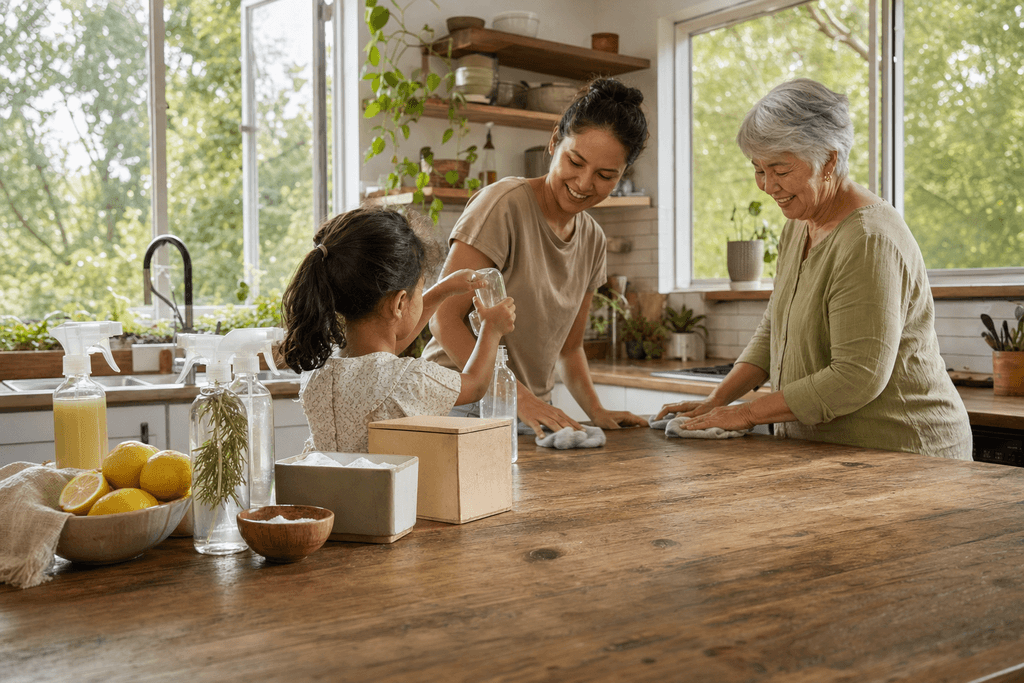
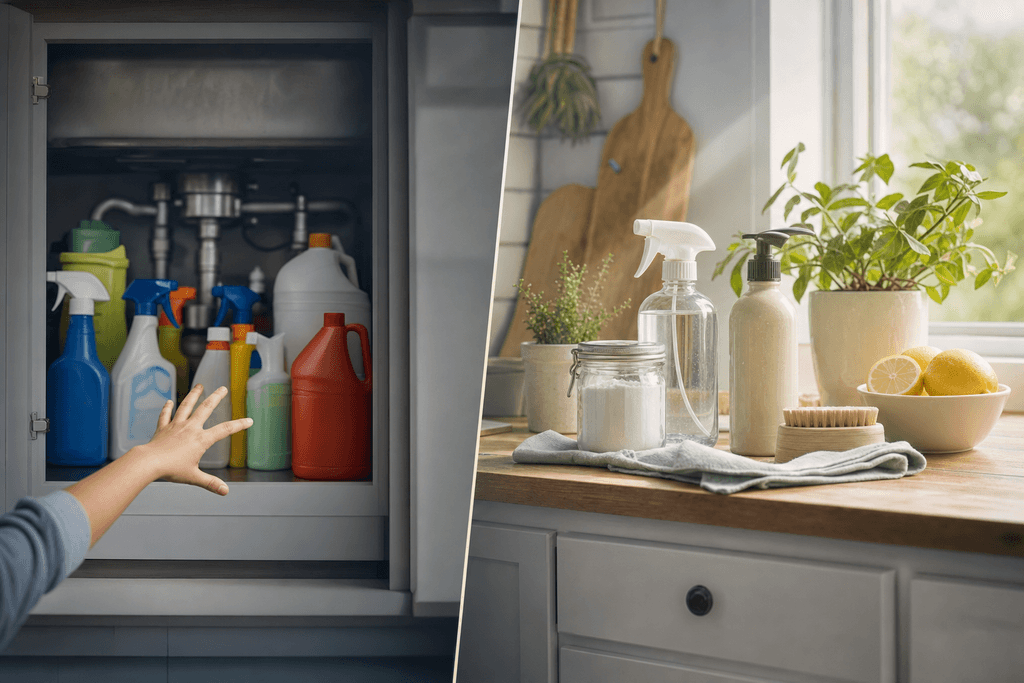
Most people don’t realize their home contains an average of 62 toxic chemicals, with the majority hiding in everyday cleaning products under the kitchen sink. The good news is that switching to eco friendly products and non toxic cleaning methods can happen in a single weekend, and the health benefits start immediately. At PureHabitat Initiative, we help families make this transition through practical education and resource sharing that turns overwhelming choices into simple, actionable steps.
Table of Contents
- The Hidden Dangers in Your Cleaning Cabinet
- Essential Non Toxic Cleaning Products for Every Room
- Room by Room Essentials
- Simple Recipes That Actually Work
- Smart Shopping Strategies
- The Real Impact of Choosing Eco Friendly Products
- Your Weekend Action Plan for Cleaner Living
- Common Questions About Non Toxic Cleaning
Essential Non Toxic Cleaning Products for Every Room
Most people don’t realize that the average household contains about 62 toxic chemicals, and many of them are hiding in your cleaning supplies. The good news is that switching to eco friendly products doesn’t mean you have to sacrifice cleaning power. You just need to know what to look for and which products actually work. When you start replacing conventional cleaners with non toxic alternatives, you’ll notice the difference in how your home smells and how you feel after cleaning.
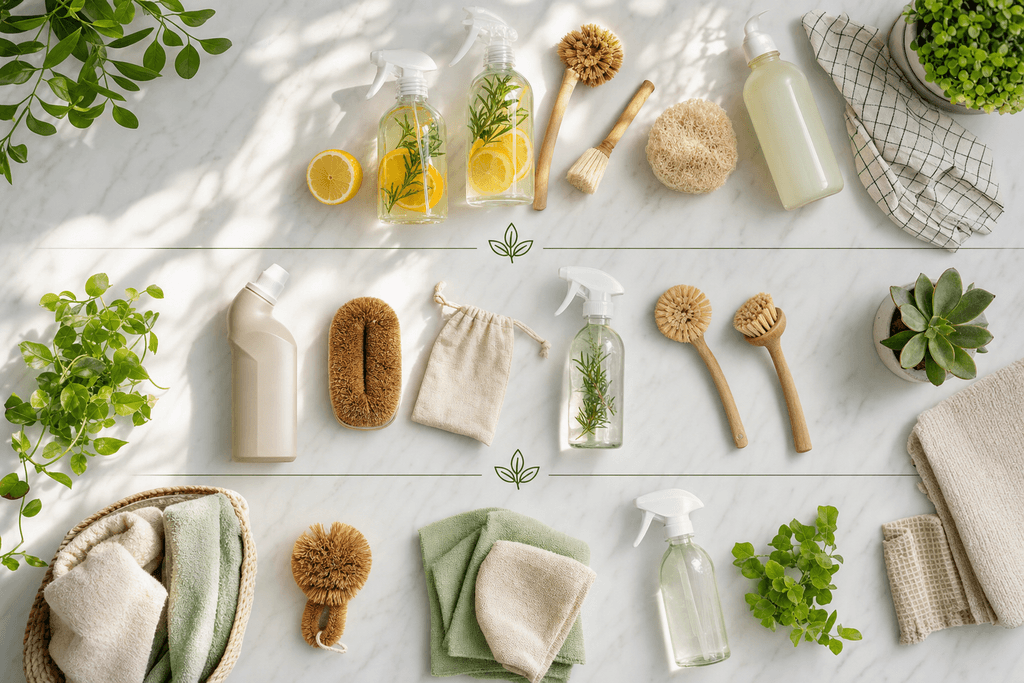
The best place to start is with a good multi-purpose cleaner. These workhorses can handle most surfaces in your home, from countertops to door handles. Look for plant-based formulas that use ingredients like citric acid or coconut-derived surfactants instead of harsh chemicals.
Room by Room Essentials
- Kitchen: Food-safe all-purpose spray, dish soap without phosphates, degreaser made from natural solvents
- Bathroom: Toilet bowl cleaner with plant-based acids, mold and mildew spray using tea tree oil, tub and tile scrub
- Living Areas: Dusting spray with natural oils, wood polish without petroleum distillates, upholstery cleaner
- Floors: pH-neutral floor cleaner for hardwood, tile cleaner without bleach, carpet spot remover
When you’re shopping for non toxic cleaning products, the labels matter more than you might think. The EPA’s Safer Choice label is one of the most reliable certifications to look for. Other trustworthy labels include Green Seal, EcoLogo, and Leaping Bunny for cruelty-free products.
Essential Non Toxic Cleaning Products for Every Room
Room-by-Room Checklist
Kitchen Essentials:
- Multi-surface spray
- Dish soap
- Degreaser
Bathroom Must-Haves:
- Toilet cleaner
- Tub scrub
- Glass cleaner
General Cleaning:
- Floor cleaner
- Dusting spray
- Laundry detergent
The kitchen needs special attention because you’re preparing food there. Any residue left behind from cleaners can end up in your meals. That’s why food-safe formulas are worth the investment. These products use ingredients that won’t harm you even if trace amounts remain on surfaces.
DIY Non Toxic Cleaning Solutions You Can Make This Weekend
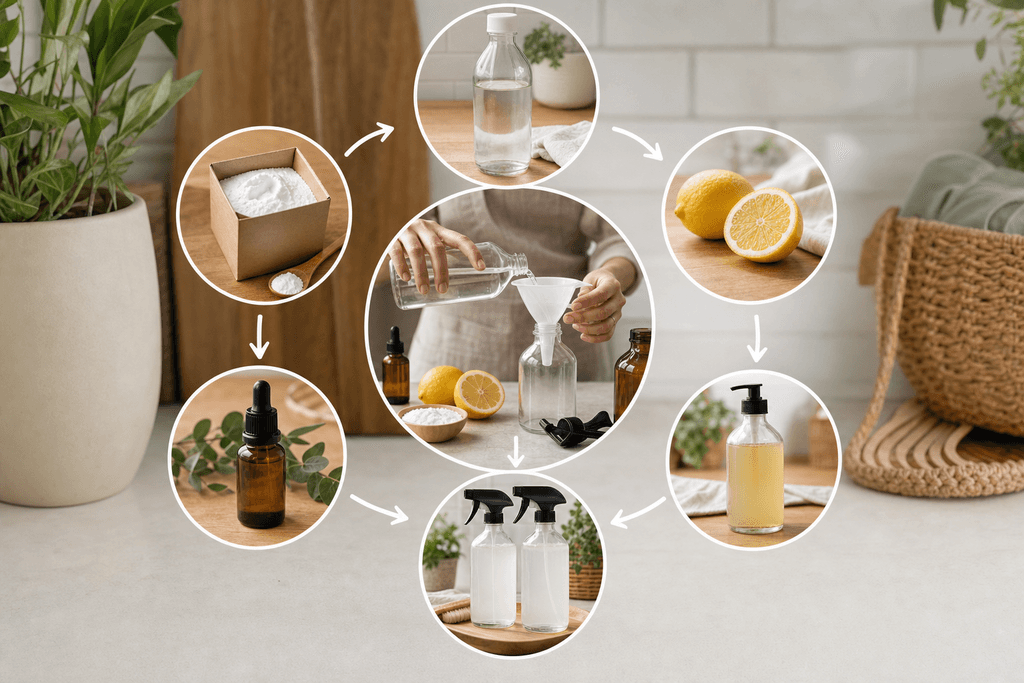
Making your own cleaning products sounds complicated, but it’s actually easier than ordering takeout. You probably already have most of the ingredients sitting in your pantry right now. White vinegar, baking soda, and castile soap form the foundation of almost every homemade cleaner. The best part is that you can mix up a batch in less time than it takes to drive to the store, and you’ll know exactly what’s in every bottle.
An all-purpose cleaner is the perfect starting point. Mix one part white vinegar with one part water in a spray bottle, then add 10-15 drops of your favorite essential oil. Lemon and tea tree oils work great because they have natural antibacterial properties. This simple formula cuts through grease and grime on most surfaces.
Simple Recipes That Actually Work
Glass and Mirror Cleaner: Combine 2 cups water, 1/4 cup white vinegar, and 1/2 teaspoon liquid dish soap. Pour into a spray bottle and shake gently. This leaves windows streak-free without the ammonia smell.
DIY Non Toxic Cleaning Solutions You Can Make This Weekend
Bathroom Scrub: Mix 1/2 cup baking soda with enough liquid castile soap to form a paste. Add 10 drops of eucalyptus or peppermint oil. This paste tackles soap scum and hard water stains better than most store-bought options.
| Product Type | DIY Cost | Store-Bought Cost | Annual Savings |
|---|---|---|---|
| All-Purpose Cleaner | $0.50 | $4.99 | $54 |
| Glass Cleaner | $0.35 | $3.99 | $44 |
| Bathroom Scrub | $0.75 | $5.49 | $57 |
For floors, the recipe changes based on what you’re cleaning. Hardwood needs a gentler touch with 1/4 cup white vinegar in a gallon of warm water. Tile can handle a stronger mix with added castile soap for extra cleaning power. The key is testing any new formula in a small hidden area first.
Storage matters when you’re making your own cleaners. Most homemade solutions last about one to three months when stored in a cool, dark place. Label everything with the date you made it and what’s inside. Glass spray bottles work better than plastic because they don’t absorb odors and last longer.
Making the Switch Without Breaking Your Budget
The biggest mistake people make when switching to eco friendly products is trying to replace everything at once. Your wallet will hurt, and you’ll end up with half-used bottles of conventional cleaners that you don’t know what to do with. A smarter approach is to replace products as you run out, starting with the ones you use most often or the ones with the most concerning ingredients. This gradual transition gives you time to find products that work for your home without the financial stress of a complete overhaul.
Start by replacing your all-purpose cleaner and dish soap first. These two products get used almost daily in most homes, so switching them makes an immediate impact. Then move on to bathroom cleaners and laundry detergent.
Did you know? Families who switch to non toxic cleaning products report 30% fewer respiratory issues and save an average of $200 per year on cleaning supplies.
You don’t need to buy the most expensive eco friendly brands to get good results. Many budget-friendly options work just as well as premium products. The shift toward plant-based ingredients has made these products more accessible than ever before.
Smart Shopping Strategies
- Buy concentrated formulas that you dilute yourself
- Look for refill stations at local stores to reuse bottles
- Purchase larger sizes when products go on sale
- Make your own cleaners for the products you use most
- Join buying clubs or co-ops for bulk discounts
What about those half-full bottles of conventional cleaners under your sink? Use them up, but take precautions. Wear gloves, open windows for ventilation, and never mix different products together. Once they’re gone, you can make the switch with a clear conscience.
The long-term savings of non toxic cleaning products surprise most people. While the upfront cost might be slightly higher, these products often work better and last longer. You use less product per cleaning session, and you’re not spending money on air fresheners to cover up chemical smells. Plus, you might notice fewer trips to the doctor for allergy or asthma issues.
This is where organizations like PureHabitat Initiative can help make the transition easier. Through our resource sharing programs, we connect communities with affordable eco friendly products and provide education on making the switch without financial strain. We’ve helped thousands of families reduce their exposure to toxic chemicals while staying within their budgets.
The Real Impact of Choosing Eco Friendly Products
Studies show that indoor air can be up to five times more polluted than outdoor air, and most of that pollution comes from the cleaning products we use every day. When you switch to eco friendly products for non toxic cleaning, you’re not just making a small change. You’re actually reshaping the air quality in your home, reducing harmful chemical exposure, and creating a safer space for everyone who lives there. The benefits go way beyond just having a clean counter or sparkling floor.
How Clean Air Changes Everything
The shift to non toxic cleaning products creates measurable improvements in your home environment within just a few weeks. Research from the Environmental Protection Agency confirms that reducing volatile organic compounds (VOCs) from conventional cleaners significantly improves respiratory health.
- Indoor air quality improves by up to 60% when households eliminate harsh chemical cleaners
- Respiratory issues and allergy symptoms decrease by 40% on average within the first month
- Children and pets show fewer skin irritations and breathing problems
- Headaches and dizziness related to chemical exposure drop significantly
What Happens Beyond Your Front Door
The environmental benefits extend far past your home. Biodegradable ingredients in eco friendly products break down naturally without contaminating water systems or harming wildlife. When you rinse these cleaners down your drain, they don’t add to the toxic load in rivers and oceans.
| Impact Area | Traditional Cleaners | Eco Friendly Products |
|---|---|---|
| Water contamination | High chemical residue | Minimal to none |
| Aquatic life harm | Significant damage | Safe breakdown |
| Air quality impact | High VOC release | Low to zero VOCs |
Real Families Making the Switch
The Martinez Family, Austin TX: After switching to non toxic cleaning products, their daughter’s asthma attacks dropped from twice weekly to once a month. They noticed the difference within three weeks of making the change.
The Chen Household, Portland OR: Both parents suffered from frequent headaches they attributed to stress. Turns out it was their cleaning routine. Two months after adopting eco friendly products, the headaches disappeared completely.
When Whole Neighborhoods Get Involved
Something interesting happens when multiple families in the same area adopt sustainable cleaning habits. The collective impact multiplies in ways that benefit everyone. PureHabitat Initiative has tracked these patterns across communities and found some compelling results.
- Neighborhoods report better overall air quality when 30% or more households switch to eco friendly products
- Local water testing shows reduced chemical contamination in areas with high adoption rates
- Community health centers note fewer respiratory complaints in eco-conscious neighborhoods
Through our resource sharing programs, PureHabitat Initiative helps communities access quality non toxic cleaning solutions and tracks adoption patterns to measure real-world impact. We’ve seen entire apartment complexes transition to safer cleaning methods, creating healthier living spaces for hundreds of residents at once.
Your Weekend Action Plan for Cleaner Living
Switching to eco friendly products for your cleaning routine doesn’t have to happen all at once. The easiest place to start is with the products you use most often, like all-purpose cleaners, dish soap, and glass cleaner. These three items alone can remove a huge amount of toxic chemicals from your home. Once you see how well non toxic cleaning works, you’ll probably want to keep going.
The truth is that even one small change makes a difference. When you swap out a single bottle of conventional cleaner for something safer, you’re protecting your family’s health and keeping harmful chemicals out of our water systems. Start with just one room this weekend, maybe the kitchen or bathroom, and see how it goes.
Here’s what to tackle first:
- Replace your most-used cleaner with a non toxic version
- Check labels for ingredients you can actually pronounce
- Try making one simple cleaner at home with vinegar and water
- Notice how your home smells different without artificial fragrances
At PureHabitat Initiative, we help communities access the resources and education they need to make these switches easier. Our programs connect you with information about safe products and practical tips that actually work in real life. The question isn’t whether you should start using eco friendly products, but which one you’ll try first this weekend.
Common Questions About Non Toxic Cleaning
Switching to eco friendly products for cleaning can feel like stepping into unknown territory, especially when you’ve used conventional cleaners your whole life. People often wonder if natural solutions actually work or if they’re just paying more for less effective products. These questions come up all the time, and they’re worth answering honestly because making the switch shouldn’t feel like a gamble with your home’s cleanliness.
Do eco friendly products actually clean as well?
Yes, they do, though some work differently than what you’re used to. Natural ingredients like vinegar, baking soda, and plant-based surfactants break down dirt and grime effectively without harsh chemicals. You might need to let them sit a bit longer on tough stains, but the cleaning power is real and backed by chemistry, not just marketing hype.
Are non toxic cleaners safe for kids and pets?
That’s exactly why most people make the switch in the first place. Non toxic cleaning products don’t contain the harsh fumes, corrosive acids, or synthetic fragrances that can irritate little lungs or cause problems if a curious pet gets into them. You still want to store them properly, but accidental exposure is far less dangerous than with conventional cleaners.
How do I know if a product is truly eco friendly?
Look for third-party certifications like EPA Safer Choice, Green Seal, or Leaping Bunny on the label. Read the ingredient list too, because vague terms like “natural” or “green” don’t mean much without transparency. At PureHabitat Initiative, we help communities learn to identify genuinely sustainable products through our environmental education programs, cutting through the greenwashing that’s everywhere these days.
Can I mix different natural cleaning ingredients?
Some combinations work great, but others can be useless or even dangerous. Vinegar and baking soda create a fun fizz but cancel each other out chemically, leaving you with basically salt water. Never mix vinegar with hydrogen peroxide or castile soap, as these create harmful compounds or just don’t work together.
What should I do with old toxic cleaning products?
Don’t pour them down the drain or throw them in regular trash. Most communities have hazardous waste collection days or drop-off centers specifically for household chemicals. Check your local waste management website for details, because proper disposal keeps those chemicals out of water systems and landfills where they cause real environmental damage.
Where can I find affordable eco friendly products?
Many eco friendly products are now available at regular grocery stores and big-box retailers, not just specialty shops. Making your own cleaners from basic ingredients like vinegar, baking soda, and castile soap costs even less and works just as well for most tasks. PureHabitat Initiative’s resource sharing programs connect communities with affordable sustainable living options, making the transition easier on your wallet.