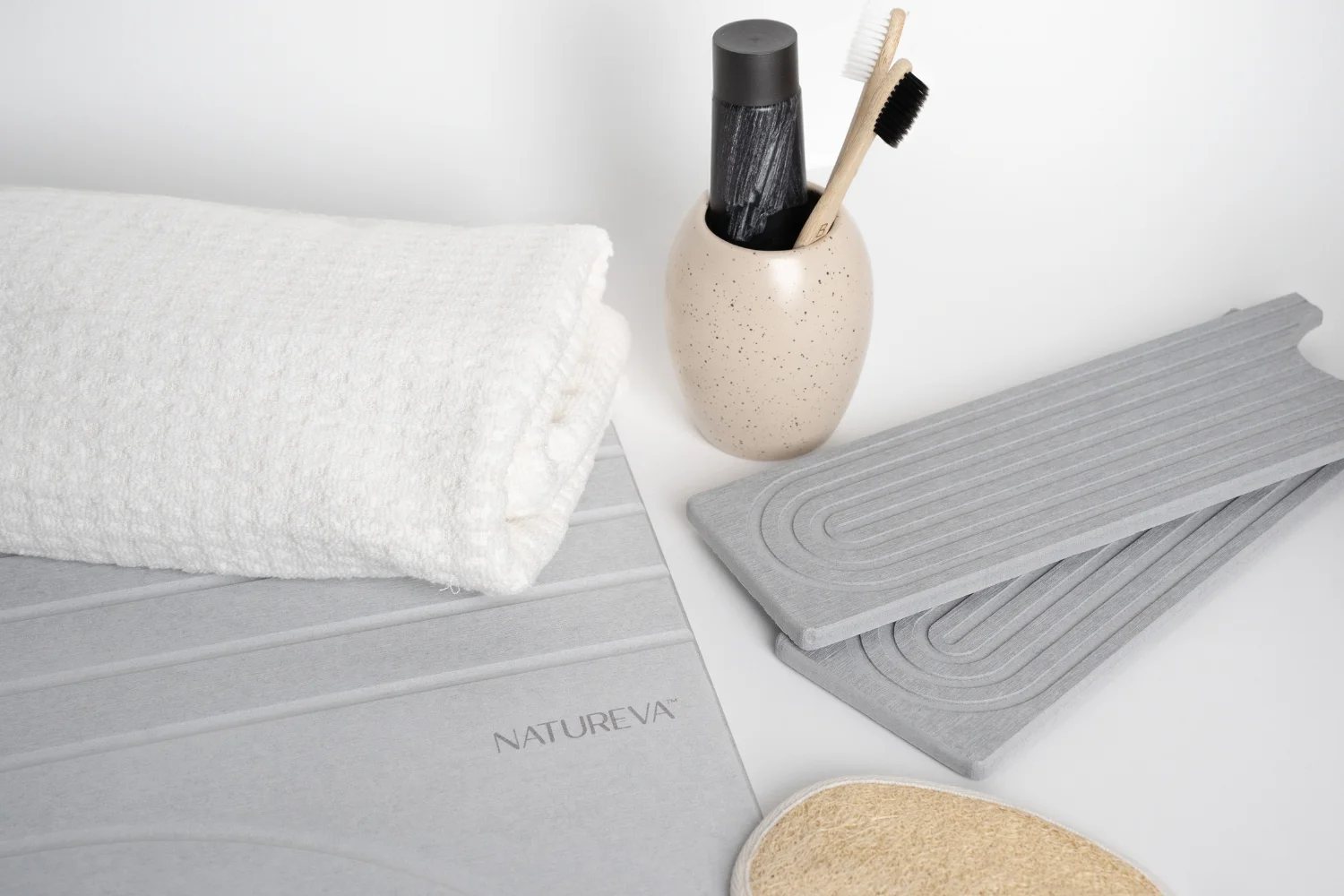
Every day, you make around 35,000 decisions, and more of them impact the planet than you might realize. From the moment your alarm goes off to when you turn out the lights at night, your daily choices either chip away at environmental health or help protect it. The good news is that environmental education can transform these automatic habits into eco friendly routines that actually stick, and organizations like PureHabitat Initiative are making this shift easier by connecting people with the knowledge and resources they need to live sustainably without feeling overwhelmed.
Table of Contents
- The Connection Between Education and Sustainable Living
- Morning Routines That Set a Sustainable Tone
- Midday Habits for Workplace and Home Sustainability
- Evening Wind-Down Routines for Environmental Impact
- Building Long Term Eco Friendly Habits Through Education
- Why Environmental Education Makes Routines Stick
- Your Path to Sustainable Daily Living
- Common Questions About Eco Friendly Routines
The Connection Between Education and Sustainable Living
People who understand why recycling matters are three times more likely to actually do it than those who just know they’re supposed to. That’s the power of environmental education, and it’s exactly why so many eco friendly routines fail when they’re just handed down as rules without explanation. When you learn the real reasons behind sustainable choices, those habits become part of who you are instead of just another chore on your to-do list. Research shows that environmental literacy increases sustainable behavior by 40%, which means understanding the science and impact behind green living makes a massive difference in whether people stick with it long-term.

Why Knowledge Gaps Hold People Back
Most people want to live more sustainably, but they don’t know where to start or why certain actions matter more than others. These knowledge gaps create real barriers that stop good intentions from turning into actual habits.
| Education Impact | Behavior Change |
|---|---|
| Basic awareness only | 15% adoption rate |
| Understanding why it matters | 40% adoption rate |
| Community-based programs | 65% adoption rate |
Common gaps include not understanding which plastics can actually be recycled, how much water different daily activities use, or why composting helps more than just reducing trash. Without this foundation, people either give up or waste effort on actions that don’t make much difference.
What Makes Environmental Education Work
Not all environmental education programs deliver the same results. The most effective ones share specific qualities that help information stick and turn into action.
- Hands-on learning beats lectures every time because people remember what they do
- Local examples make abstract concepts feel real and relevant to daily life
- Group learning creates accountability and shared commitment to change
- Practical skills training gives people confidence to actually implement new routines
Community-based education programs show the highest success rates because they combine all these elements. According to the National Environmental Education Foundation, programs that engage whole communities create lasting change that spreads beyond just the participants.
Bridging the Gap from Learning to Doing
The real challenge isn’t just teaching people about environmental issues. It’s helping them translate that knowledge into daily eco friendly routines that actually stick.
- Breaking down big concepts into small, manageable daily actions
- Showing immediate benefits alongside long-term environmental impact
- Providing ongoing support as people build new habits
PureHabitat Initiative’s educational workshops focus specifically on this knowledge-to-action bridge. The programs don’t just explain why sustainability matters, they walk communities through setting up systems that make green living easier and more automatic. When education connects directly to practical implementation, people don’t just learn about eco friendly routines, they actually start living them.
Morning Routines That Set a Sustainable Tone
Most people use about 80 to 100 gallons of water every single day, and a huge chunk of that happens before breakfast. Your morning routine is actually one of the best places to start building eco friendly routines because these habits happen automatically once you get them down. The bathroom alone offers dozens of chances to make choices that help the planet, and the kitchen isn’t far behind. When you understand why each small action matters, it becomes easier to stick with these changes long term. That’s where environmental education really makes the difference between trying something once and making it part of your life.

Morning Routines That Set a Sustainable Tone
Start with your shower or bath routine. Turning off the water while you soap up or shampoo can save up to 150 gallons per month for a family of four. You can also cut your shower time by just two minutes and save about 10 gallons each time. These aren’t just random numbers either, they add up to real impact when entire communities adopt them.
- Switch to bar soap and shampoo bars to eliminate plastic bottles
- Use a low-flow showerhead that reduces water use by 40% without losing pressure
- Keep a bucket in the shower to catch cold water while it warms up, then use it for plants
- Choose bamboo toothbrushes and refillable dental products
- Install faucet aerators that cost about five dollars but cut water flow in half
Your kitchen morning routine matters just as much. Boiling only the water you actually need for coffee or tea saves energy every single day. If you’re making breakfast, choosing local eggs and produce reduces the carbon footprint of your meal by cutting down transportation emissions. Through our resource sharing programs at PureHabitat Initiative, we help families access sustainable kitchen products that make these choices easier without breaking the bank.
The real magic happens when you explain these choices to your kids or other family members. Instead of just saying “turn off the tap,” you can share that leaving the water running while brushing teeth wastes about 4 gallons each time. That kind of environmental education sticks with people because they understand the why behind the what.
☐ Take shorter showers (under 8 minutes)
☐ Turn off water while brushing teeth
☐ Use reusable coffee filters or a French press
☐ Unplug devices that finished charging overnight
☐ Open curtains instead of turning on lights
☐ Pack reusable water bottles and containers for the day
☐ Choose breakfast items with minimal packaging
Midday Habits for Workplace and Home Sustainability
The middle of the day is when most energy gets used and most waste gets created. Whether you’re working from home or in an office, this is prime time for eco friendly routines that actually make a measurable difference. Your lunch choices alone can shift your daily environmental impact by a surprising amount. The way you store food, heat it up, and dispose of leftovers all play into a bigger picture that most people never think about.

Midday Habits for Workplace and Home Sustainability
Packing lunch in reusable containers instead of buying takeout eliminates an average of 4 to 5 pieces of single-use packaging per meal. That’s over 1,000 pieces of trash per person per year just from lunch. Glass containers work better than plastic because they last longer and don’t leach chemicals when you reheat food.
- Bring utensils from home to avoid disposable forks and spoons
- Use cloth napkins that you can wash and reuse hundreds of times
- Choose whole foods over heavily packaged snacks for better health and less waste
- Keep a reusable mug at your desk for coffee or tea throughout the day
- Store leftovers in beeswax wraps instead of plastic wrap or foil
Energy conservation during peak hours between noon and 6 PM helps reduce strain on the power grid. Closing blinds on sunny windows keeps rooms cooler without cranking the AC. If you’re working on a computer, adjusting your screen brightness down by just 20% cuts energy use and reduces eye strain. These small adjustments become automatic once you understand how they connect to larger environmental goals.
Your digital habits matter more than you’d think. Streaming video in standard definition instead of HD uses about 60% less energy and data. Unsubscribing from emails you never read reduces the energy needed to store and transmit all those messages across servers. According to research on environmental education effectiveness, people who learn the connection between daily actions and environmental impact are far more likely to maintain these habits long term.
☐ Eat lunch from reusable containers
☐ Turn off lights in empty rooms
☐ Use natural light when possible
☐ Set thermostat 2-3 degrees higher in summer
☐ Print only when absolutely necessary
☐ Compost food scraps if available
☐ Refill water bottle instead of buying new drinks
Evening Wind-Down Routines for Environmental Impact
Evenings offer the perfect chance to reinforce environmental education with your family while winding down from the day. The hours between dinner and bedtime account for a huge portion of household energy use, mostly from lighting, cooking, and entertainment. But this is also when families spend time together, which creates natural teaching moments about why sustainable choices matter. Kids especially absorb these lessons when they’re part of everyday routines rather than formal lectures.
Cooking dinner efficiently starts with using the right sized burner for your pot and keeping lids on to trap heat. Batch cooking meals for the week saves energy compared to cooking every single night. When you’re done eating, scraping plates before washing them uses less water than rinsing everything under a running tap.
- Use LED bulbs in all evening lighting to cut energy use by 75% compared to old bulbs
- Wash dishes with a full load in the dishwasher rather than hand washing
- Air dry dishes instead of using the heated dry cycle
- Switch to dimmer switches for adjustable lighting that uses less power
- Unplug chargers and appliances not in use to stop phantom energy drain
Evening activities don’t have to revolve around screens and electricity. Reading by a single lamp uses far less energy than lighting an entire room for TV watching. Board games, puzzles, and conversations create family time without the environmental cost of streaming services and gaming consoles running for hours.
Before bed, take five minutes to prep reusable items for tomorrow. Fill water bottles, pack cloth napkins, and set out reusable bags by the door so you’re not scrambling in the morning. This simple habit prevents the “I forgot my reusable bag” excuse that leads to accepting plastic bags at stores. Our programs at PureHabitat Initiative focus on making these preparation steps feel natural rather than like extra work.
☐ Cook efficiently with lids on pots
☐ Turn off lights in rooms you’re not using
☐ Lower thermostat before bed
☐ Unplug devices and chargers
☐ Prepare reusable items for tomorrow
☐ Run dishwasher only when full
☐ Close curtains to keep heat in during winter
Building Long Term Eco Friendly Habits Through Education
Starting new habits is easy, but making them stick for months and years requires a different approach. Research shows it takes an average of 66 days for a new behavior to become automatic, but environmental education speeds up this process by giving people a deeper reason to continue. When you understand that your daily shower length affects local water supplies, or that your lunch packaging contributes to ocean plastic, these facts create motivation that outlasts initial enthusiasm. The science of habit formation tells us that connecting actions to meaningful outcomes makes them far more likely to become permanent parts of your routine.
Tracking your progress helps maintain momentum when motivation dips. You don’t need fancy apps or complicated systems. A simple notebook where you mark off days you remembered your reusable bags or took shorter showers provides visual proof of your commitment. Celebrating small wins matters more than you’d think because each success reinforces the neural pathways that make the behavior automatic.
- Join local sustainability groups to connect with others making similar changes
- Attend workshops and seminars that teach new eco friendly techniques
- Share your progress with friends to create accountability and inspire others
- Set monthly goals rather than trying to change everything at once
- Learn from setbacks instead of giving up when you forget a reusable item
Community support systems make sustainable living feel less isolating. When your neighbors are also composting, using rain barrels, and choosing local produce, these choices become normal instead of weird. PureHabitat Initiative’s educational programs create exactly this kind of supportive environment where people learn together and hold each other accountable. You can explore real examples of communities successfully building these routines through case studies from around the world that show how collective action creates lasting change.
The most successful approach combines personal commitment with ongoing learning. Reading about environmental issues, attending community events, and teaching others what you’ve learned all reinforce your own habits while spreading impact beyond your household. When you explain to a friend why you bring your own containers to restaurants, you’re strengthening your own understanding while potentially inspiring them to try it too.
Long term change happens when individual actions connect to community movements. That’s why our work at PureHabitat Initiative focuses on both personal education and neighborhood-level programs that make sustainable choices the easy default rather than the difficult exception.
Why Environmental Education Makes Routines Stick
Studies show that people who understand the science behind climate change are 3.5 times more likely to maintain eco friendly routines than those who simply follow rules. This isn’t surprising when you look at how our brains work. When we know why something matters, we create stronger neural pathways that support long-term behavior change. The difference between being told to recycle and understanding how plastic breaks down in oceans creates two completely different outcomes. One feels like a chore, the other becomes a personal mission.
The Psychology of Lasting Change
Behavioral scientists have found that education-based approaches to sustainability work better because they tap into intrinsic motivation rather than external pressure. When communities participate in environmental education programs, they’re not just learning facts. They’re building a framework for decision-making that applies to hundreds of daily choices.
| Education Method | Retention Rate | Behavior Change |
| Rule-based only | 23% | Short-term |
| Education-focused | 67% | Long-term |
| Community learning | 81% | Sustained |
Community Learning Versus Going Solo
Research from educational institutions shows that group-based environmental education creates accountability networks that individual learning can’t match. When neighborhoods learn together, they reinforce each other’s habits and share practical solutions. Studies on eco-friendly practices in educational settings demonstrate how structured programs lead to measurable improvements in sustainable behaviors.
- Group participants maintain new habits 58% longer than solo learners
- Community programs generate peer accountability that reinforces daily choices
- Shared learning reduces the overwhelm factor that stops many people from starting
- Collective knowledge-building creates local experts who can help others
How PureHabitat Approaches Education Differently
While organizations like sustainablelivingassociation.org and onecommunityglobal.org offer general sustainability information, PureHabitat Initiative combines education with hands-on resource sharing and direct community support. This three-part approach addresses the gap between knowing what to do and actually doing it. The organization measures impact through behavioral tracking and community feedback, not just attendance numbers or information distributed.
- Programs focus on systemic habit formation rather than one-time workshops
- Education connects directly to available resources and practical implementation
- Community empowerment ensures knowledge spreads beyond initial participants
Your Path to Sustainable Daily Living
Building eco friendly routines doesn’t happen overnight, but the steps we covered show how small changes add up over time. From switching to reusable items in the morning to composting at night, each habit builds on the last one. The midday practices like mindful consumption and energy conservation fit right into your existing schedule without much effort. What matters most is starting somewhere and staying consistent with it.
Environmental education plays a bigger role than most people realize. When you understand why certain practices matter, you’re more likely to stick with them long term. That’s where programs like those offered through PureHabitat Initiative come in, providing workshops and resources that make the science behind sustainability easy to grasp.
Community support changes everything when it comes to forming new habits. People who join groups focused on sustainable living tend to maintain their eco friendly routines much longer than those going it alone. There’s something about sharing tips, celebrating small wins, and learning from others that keeps motivation high even when life gets busy.
The question isn’t whether you should start these practices, but rather which ones fit your lifestyle right now. Some people find morning routines easiest to change, while others prefer tackling evening habits first. The key is picking one or two changes and building from there, rather than trying to overhaul everything at once.
If you’re ready to take that first step with guidance and support, exploring what PureHabitat Initiative offers might be worth your time. Their educational programs are designed specifically for people who want practical help, not just theory.
Common Questions About Eco Friendly Routines
Starting a journey toward sustainable living brings up plenty of questions, and that’s completely normal. Most people wonder about the time commitment, the costs, and whether their efforts actually matter in the bigger picture. These concerns are valid, and understanding the answers can make the difference between giving up early and building lasting eco friendly routines that stick.
How long does it take to form eco friendly habits?
Research shows that most habits take anywhere from 21 to 66 days to become automatic, depending on the complexity of the behavior. Simple changes like bringing reusable bags to the store might click within a few weeks, while more involved routines like composting or reducing water usage can take a couple months. The key is starting small and building gradually rather than trying to overhaul your entire life overnight.
What if my family resists sustainable changes?
Family resistance is one of the most common roadblocks people face when adopting eco friendly routines. Start by making changes that don’t require everyone’s buy-in, like switching to eco-friendly cleaning products or adjusting the thermostat. Once family members see these changes aren’t disruptive, they’re often more open to bigger shifts. PureHabitat Initiative offers community empowerment programs that help entire households understand the benefits of sustainable living together.
Are eco friendly routines more expensive?
Many sustainable practices actually save money over time, even if there’s an upfront cost. LED bulbs cost more initially but slash electricity bills for years. Reusable water bottles eliminate the need for buying plastic bottles constantly. Some changes, like reducing food waste or lowering energy consumption, put money back in your pocket immediately with zero investment required.
How do I know if my routines are making a difference?
Tracking your impact doesn’t have to be complicated. You can monitor your utility bills to see reductions in water and energy use, or keep a simple log of waste you’ve diverted from landfills. Environmental education programs teach you how to measure your carbon footprint and celebrate progress. Even small actions add up when practiced consistently, and seeing those numbers change keeps motivation high.
Where can I learn more about environmental education?
Quality environmental education comes from organizations that combine practical guidance with community support. Look for programs that offer hands-on workshops, accessible resources, and ongoing engagement rather than just one-time seminars. PureHabitat Initiative provides comprehensive educational programs designed specifically to help individuals and communities adopt sustainable practices that fit their unique situations and needs.
How does PureHabitat Initiative support individuals starting their journey?
PureHabitat Initiative takes a three-pronged approach through resource sharing, environmental education, and community empowerment. Whether you’re looking for practical tools to get started, workshops to deepen your understanding, or connection with others on the same path, the organization provides support at every stage. As a 501(c)3 nonprofit, they focus on making sustainable living accessible and practical rather than overwhelming or expensive.