Your home quietly generates nearly 4.5 pounds of waste every single day, most of it from routines so automatic you barely notice them happening. The good news is that eco friendly routines don’t require a complete lifestyle overhaul or expensive products to make a real difference. Small shifts in how you handle daily tasks can cut your environmental impact in half while saving money and creating a healthier living space, and organizations like PureHabitat Initiative have been helping communities discover just how simple these changes can be.
Table of Contents
The Real Cost of Daily Home Habits
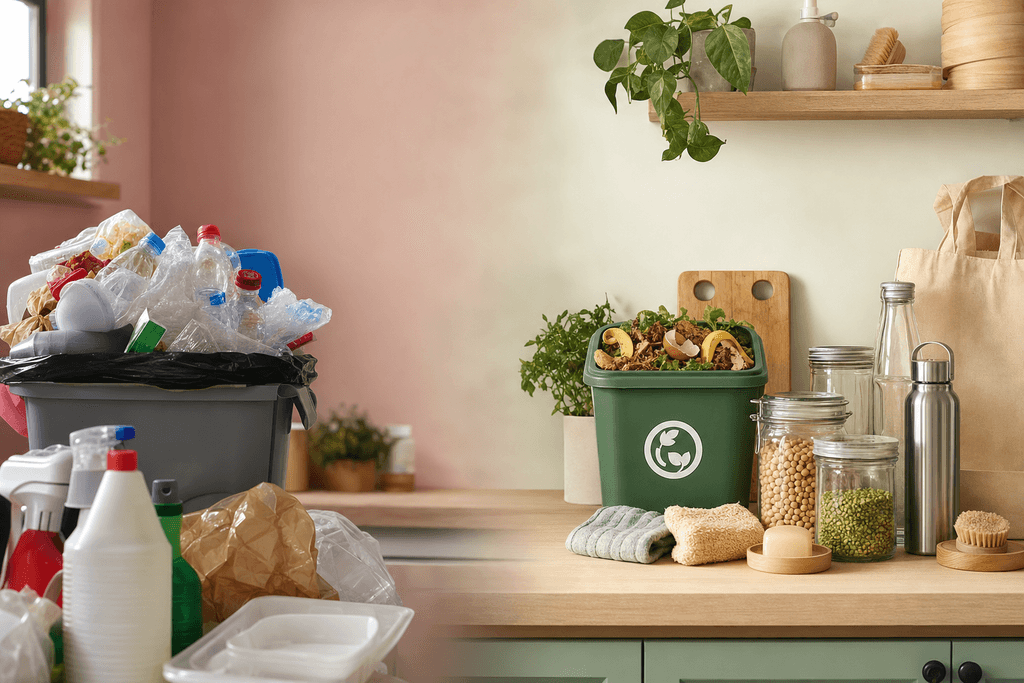
The average American household produces about 4.4 pounds of trash every single day, which adds up to over 1,600 pounds per year. Most people don’t realize that their daily routines at home create a ripple effect that touches their wallet, their health, and the planet all at once. From the cleaning products under your sink to how long you leave the water running while brushing your teeth, these small choices stack up fast. When you multiply these habits across millions of homes, the numbers become staggering.
Where Your Home Impact Comes From
Understanding which parts of your daily routine create the biggest footprint helps you know where to focus your energy. The typical household’s environmental impact breaks down into several key areas that most people interact with every day.
| Category | Annual Cost | Environmental Impact | Health Factor |
|---|---|---|---|
| Energy Use | $2,060 | 7.5 tons CO2 | Indoor air quality |
| Water Waste | $474 | 88,000 gallons | Resource depletion |
| Cleaning Products | $660 | Chemical runoff | Respiratory issues |
| Food Waste | $1,866 | 1,200 pounds trash | Methane emissions |
| Single-Use Items | $540 | 300 pounds plastic | Toxin exposure |
This video breaks down how simple daily choices affect sustainability in ways most people never consider. The connection between your morning routine and global impact becomes much clearer when you see it laid out.
The Money Drain Nobody Talks About
Wasteful home habits cost the average family over $5,600 per year in unnecessary expenses. That’s money literally going down the drain or into the trash can. Here’s where most of that waste happens:
- Leaving lights and electronics on standby mode wastes about $165 annually per household
- Running water while doing dishes or brushing teeth adds $120 to yearly water bills
- Buying disposable versions of reusable items costs families an extra $540 each year
- Throwing away food that could have been eaten accounts for nearly $2,000 in wasted grocery money
Organizations like PureHabitat Initiative work with communities to identify these hidden costs and provide practical solutions. Their resource sharing programs help families access eco friendly routines without breaking the bank.
Health Risks Hiding in Plain Sight
The products and practices most homes use every day carry hidden health consequences that build up over time. Common household cleaners release volatile organic compounds that can trigger asthma and allergies, especially in children.
- Indoor air can be 2-5 times more polluted than outdoor air due to cleaning products and poor ventilation
- Synthetic fragrances in household items contain an average of 14 chemicals not listed on labels
- Plastic food containers leach chemicals that disrupt hormones when heated
- Conventional laundry detergents leave residues on clothes that touch skin all day
Research from sustainable business case studies shows that switching to eco friendly routines reduces household toxin exposure by up to 60%. The shift doesn’t require expensive overhauls either.
The Multiplication Effect
When one household makes a small change, it barely registers. But when millions of homes adopt the same eco friendly routines, the impact becomes massive. Consider these numbers:
- If every U.S. household replaced just one roll of regular toilet paper with recycled, it would save 423,900 trees
- Switching one light bulb to LED in every home would prevent 9 billion pounds of greenhouse gas emissions yearly
- If each family composted their food scraps, it would keep 30 million tons of waste out of landfills annually
- Reducing shower time by two minutes per person would save 3.2 trillion gallons of water nationwide
This multiplication effect is exactly why community-focused organizations matter so much. The work isn’t just about individual change but creating waves of impact that spread from neighbor to neighbor.
Kitchen Habits That Cut Waste in Half
The average American family throws away about 30% of the food they buy, which adds up to roughly $1,500 per year sitting in landfills. Most of this waste happens because we don’t plan ahead or store things properly. The good news is that a few simple changes in your kitchen routine can cut that number way down. You don’t need fancy equipment or a complete lifestyle overhaul to make a real difference.
Meal planning is the single biggest weapon against food waste. When you know what you’re cooking for the week, you buy only what you need. Start by checking what’s already in your fridge and pantry before heading to the store. Write a simple list based on actual meals you’ll make, not just random ingredients that sound good.
- Plan meals around ingredients that overlap so nothing sits unused
- Keep a running list on your phone of what you have at home
- Shop with reusable bags and containers to avoid single-use packaging
- Buy loose produce instead of pre-packaged when possible
- Choose products with minimal or recyclable packaging
Food storage makes or breaks how long your groceries last. Leafy greens stay crisp for weeks when wrapped in damp towels inside containers. Herbs last longer standing in water like flowers. Learning these small tricks means fewer trips to the store and less money wasted. PureHabitat Initiative’s resource sharing programs help communities access quality storage containers and kitchen tools that make these practices easier to adopt.
Composting sounds complicated but it really isn’t. You can start with a simple countertop bin for scraps like vegetable peels, coffee grounds, and eggshells. If you have outdoor space, a basic compost pile or tumbler works great. Even apartment dwellers can use small worm bins or freeze scraps to drop off at community composting sites.
Quick Kitchen Routine Checklist:
- Plan meals every Sunday for the week ahead
- Store produce properly as soon as you get home
- Keep a compost bin on your counter
- Switch to reusable food wraps and containers
- Bring your own bags and jars when shopping
- Check expiration dates weekly and move older items forward
Swapping out single-use items doesn’t mean spending a fortune on trendy products. Cloth napkins, glass containers, and beeswax wraps pay for themselves within months. A set of mesh produce bags eliminates hundreds of plastic bags per year. These aren’t just better for the planet, they actually work better and last longer than disposable versions.
Bathroom Routines That Save Water and Money
Bathrooms account for nearly 70% of indoor water use in most homes, and a lot of that goes straight down the drain without much thought. The typical shower uses 2.5 gallons per minute, which means a 10-minute shower burns through 25 gallons. Small changes in how you use water in the bathroom can drop your utility bills noticeably. Plus, many of these habits take zero effort once you get used to them.
Cutting shower time by just three minutes saves about 7.5 gallons per shower. Turning off the tap while brushing your teeth saves another 8 gallons per day. These aren’t huge sacrifices, but they add up fast when everyone in the house does them.
Looking at how sustainable design works in homes can inspire changes in your own space, even if you’re just renting. Water-saving fixtures and mindful habits make a bigger difference than most people realize.
Water & Money Savings:
- Shorter showers: Save up to $100/year on water heating
- Turning off tap while brushing: Save 3,000 gallons/year per person
- Fixing leaky faucets: Save up to 3,000 gallons/year per leak
- Low-flow showerheads: Reduce water use by 40% without losing pressure
Personal care products are another area where small swaps make a big impact. Bar soap and shampoo bars eliminate plastic bottles entirely. Natural deodorants, toothpaste tablets, and refillable containers cut down on packaging waste. Many of these alternatives actually cost less over time because they last longer and contain fewer fillers.
Chemical-heavy cleaners and personal care items affect indoor air quality more than most people think. Switching to simple ingredients like vinegar, baking soda, and castile soap works just as well for most cleaning tasks. Your bathroom stays just as clean without the harsh fumes or plastic waste.
- Replace disposable razors with safety razors that last for years
- Use bar soap instead of liquid soap in plastic pumps
- Switch to bamboo toothbrushes and refillable floss containers
- Choose concentrated products you can dilute at home
- Install a low-flow showerhead that maintains good pressure
- Keep a bucket in the shower to catch cold water while it warms up
Energy-efficient practices in the bathroom go beyond water use. Switching to LED bulbs and unplugging hair tools when not in use cuts electricity waste. Opening windows for ventilation instead of running exhaust fans constantly also helps. These habits don’t require any major changes to your routine.
Cleaning and Maintenance That Protects Your Home
Most conventional cleaning products contain chemicals that stick around in your home’s air long after you finish cleaning. Studies show that indoor air can be 2 to 5 times more polluted than outdoor air, partly because of these products. The weird part is that natural alternatives often work better and cost way less. You probably already have the ingredients you need sitting in your kitchen right now.
Vinegar, baking soda, and castile soap handle about 90% of household cleaning tasks. Vinegar cuts through grease and soap scum. Baking soda scrubs without scratching. Castile soap works on everything from floors to dishes. Mix them in different combinations and you’ve got a full cleaning arsenal without the toxic fumes.
- All-purpose cleaner: Mix equal parts water and vinegar in a spray bottle
- Scrubbing paste: Combine baking soda with a little water
- Floor cleaner: Add 1/4 cup vinegar to a gallon of warm water
- Glass cleaner: Use straight vinegar or dilute 50/50 with water
- Disinfectant: Add a few drops of tea tree or eucalyptus oil to vinegar solution
Preventive maintenance saves you from expensive repairs down the road. Cleaning your dryer vent every few months prevents fires and makes your dryer work better. Checking under sinks for small leaks stops major water damage. Changing HVAC filters regularly keeps your air cleaner and your system running efficiently. These tasks take maybe 30 minutes every few months but can save thousands in repairs.
Microfiber cloths are one of those things that seem too simple to matter, but they actually clean better than paper towels or regular rags. They grab dirt and bacteria without needing harsh chemicals. One set of microfiber cloths replaces hundreds of paper towel rolls over their lifetime. Just toss them in the wash and use them again. PureHabitat Initiative’s educational programs teach communities these practical methods that improve home safety while reducing environmental impact.
Weekly Eco-Friendly Cleaning Routine:
- Monday: Wipe down kitchen surfaces with vinegar solution
- Tuesday: Vacuum or sweep main living areas
- Wednesday: Clean bathrooms with baking soda paste and vinegar
- Thursday: Dust surfaces with damp microfiber cloth
- Friday: Mop floors with natural floor cleaner
- Weekend: Deep clean one room or tackle one maintenance task
Room-by-room schedules keep cleaning from piling up into an overwhelming mess. When you tackle one area at a time, it takes less effort overall. Spending 15 minutes a day on cleaning beats spending your whole Saturday scrubbing. Plus, regular light cleaning means you don’t need harsh chemicals to cut through built-up grime.
Indoor air quality improves dramatically when you switch to natural cleaning products and add a few plants to your space. Opening windows regularly, even for just 10 minutes, flushes out stale air and brings in fresh oxygen. These simple habits create a healthier home environment without any special equipment. According to research on sustainability in daily life, small changes like these compound over time into significant environmental and health benefits.
The truth is that eco-friendly routines aren’t about perfection or doing everything at once. They’re about picking a few habits that fit your life and sticking with them. Start with one room or one routine that feels manageable. Once that becomes automatic, add another. These small shifts create homes that are healthier, safer, and easier on the planet without requiring a complete lifestyle overhaul.
The Ripple Effect of Your Home Routines
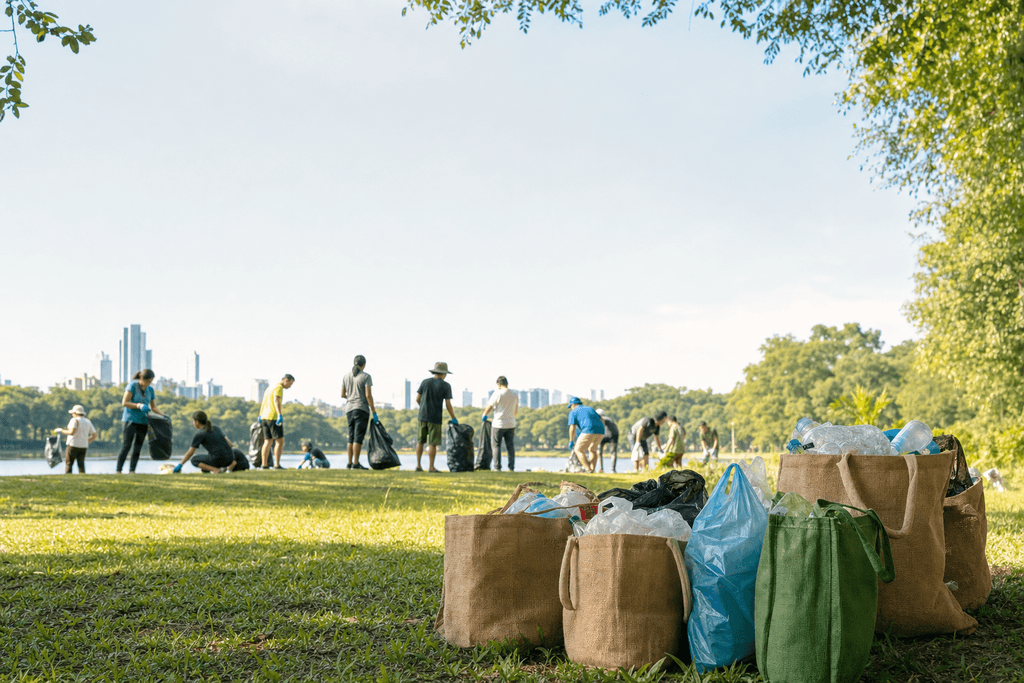
When one household switches to reusable shopping bags, it might save 500 plastic bags per year. When an entire neighborhood does it, that number jumps to hundreds of thousands. The math behind eco friendly routines gets interesting fast because small changes multiply in ways most people don’t expect. Your decision to compost kitchen scraps or switch to LED bulbs doesn’t just affect your home. It creates a pattern that neighbors notice, friends ask about, and communities eventually adopt as the new normal.
How Individual Choices Become Community Standards
Social scientists have studied this pattern for decades. People change their behavior based on what they see others doing, especially in their immediate community. When your neighbor installs a rain barrel or starts a compost bin, you’re three times more likely to consider doing the same within the next year.
- Visible changes like solar panels or vegetable gardens spark conversations that spread information
- Shared resources and tips reduce the learning curve for newcomers to sustainable practices
- Community adoption creates local demand that makes eco-friendly products more accessible and affordable
- Collective action builds momentum that individual efforts alone can’t achieve
The Health and Economic Payoff
The benefits of eco friendly routines extend beyond environmental impact. Households that adopt sustainable practices report measurable improvements in both health outcomes and monthly expenses. Reducing chemical cleaners improves indoor air quality. Growing even a small portion of your own food increases vegetable consumption and reduces grocery bills.
| Practice | Annual Savings | Health Benefit |
|---|---|---|
| LED lighting | $75-200 | Reduced eye strain |
| Water conservation | $100-380 | Lower utility stress |
| Natural cleaners | $50-150 | Better air quality |
| Home composting | $40-120 | Outdoor activity |
Scaling Personal Action to Community Impact
This is where organizations like PureHabitat Initiative make the difference between isolated efforts and lasting change. Individual motivation only goes so far without the right support systems. Communities need access to education, resources, and proven frameworks to turn good intentions into consistent habits.
- Structured programs help maintain momentum when initial enthusiasm fades
- Resource sharing reduces the financial barriers that stop many households from starting
- Educational components address the knowledge gaps that lead to abandoned efforts
Real World Community Transformations
According to research on successful sustainability initiatives, communities that implement coordinated eco-friendly programs see adoption rates increase by 60-80% compared to areas relying solely on individual action. One neighborhood in Portland reduced household waste by 40% within 18 months after implementing a community-wide composting education program. Another community in Austin cut water usage by 25% through shared rainwater harvesting systems and collective learning sessions.
The connection between home habits and community resilience becomes clear during resource shortages or environmental challenges. Neighborhoods with established sustainable routines adapt faster and support each other more effectively. They’ve already built the social networks and practical skills that matter when conditions get tough.
Your Next Steps Toward Home Sustainability
The best part about eco friendly routines is that you don’t need to overhaul your entire life to make a difference. Starting with just one or two simple changes, like switching to reusable containers or cutting your shower time by a few minutes, can create momentum that naturally leads to bigger habits. These small actions add up faster than most people realize, and before you know it, you’ve reduced your waste, lowered your bills, and created a healthier space for your family.
If you’re wondering where to begin, focus on the routines that fit easiest into your current schedule. Maybe that’s swapping paper towels for cloth ones, unplugging devices when they’re not in use, or starting a simple compost bin. The key is picking something that doesn’t feel like a chore.
Tracking your progress helps more than you’d think. Keep a simple list on your phone or a notebook where you jot down the changes you’ve made and any differences you notice, whether that’s money saved or less trash going out each week. Seeing those wins written down keeps you motivated when life gets busy.
At PureHabitat Initiative, we offer resources and educational programs that make adopting these eco friendly routines even easier. Our community is full of people just like you who are figuring out sustainable living one step at a time. You’re not doing this alone, and having access to practical tools and support makes the whole process less overwhelming.
The truth is, your home is where real change starts. What you do in your kitchen, bathroom, and backyard matters more than most environmental campaigns will tell you. You’ve got questions, and that’s normal when you’re starting something new.
Common Questions About Eco Friendly Home Routines
Starting new eco friendly routines at home brings up a lot of questions, and that’s completely normal. Most people wonder about the same things when they’re trying to make their household more sustainable. These answers should help clear up some of the confusion and get you moving in the right direction.
Do eco friendly routines really save money?
Yes, most eco friendly routines end up saving you money over time, even if there’s a small upfront cost. Switching to reusable products means you’re not constantly buying disposables, and reducing energy and water use directly lowers your utility bills. The savings add up faster than most people expect, usually within the first few months.
How long before I see results from these changes?
Some results show up immediately, like lower water bills from shorter showers or reduced trash from using reusable bags. Other changes, like improved indoor air quality from natural cleaning products, might take a few weeks to notice. The key is that small eco friendly routines compound over time, so even if you don’t see dramatic changes right away, they’re definitely happening.
What if my family resists these new habits?
Start with the easiest changes first and explain why they matter without being preachy about it. Kids especially respond well when you make it fun or give them ownership of certain tasks. You don’t have to change everything at once, and sometimes leading by example works better than trying to force everyone to participate immediately.
Are natural cleaning products as effective?
Natural cleaning products work just as well as conventional ones for most household tasks, though you might need to let them sit a bit longer on tough stains. The difference is they don’t leave behind harsh chemical residues that can affect your health or the environment. Many people actually find their homes feel cleaner because there’s no chemical smell lingering afterward.
How can I get my community involved?
Start conversations with neighbors about what you’re doing and share your results without being pushy. PureHabitat Initiative offers community empowerment programs that help neighborhoods implement sustainable solutions together, which makes the whole process easier and more effective. Sometimes organizing a simple swap meet for reusable items or hosting an informal gathering to share tips can spark wider interest.
Where can I find eco friendly products locally?
Most regular grocery stores now carry eco friendly options in their cleaning and household sections, though you might need to look carefully at labels. Farmers markets, local co-ops, and bulk stores are great places to find package-free and sustainable products. Organizations like PureHabitat Initiative also facilitate resource sharing to help communities access the tools and products they need for sustainable living without having to search everywhere.