Every year, the average person tosses out around 300 pounds of plastic, most of it ending up in landfills or oceans where it takes centuries to break down. Both ethical shopping and plastic free living tackle environmental harm, but they come at the problem from different angles. Understanding how these two approaches work together can help you make choices that create real change, and organizations like PureHabitat Initiative offer resources to guide communities through both paths.
Table of Contents
Understanding the Sustainability Movement
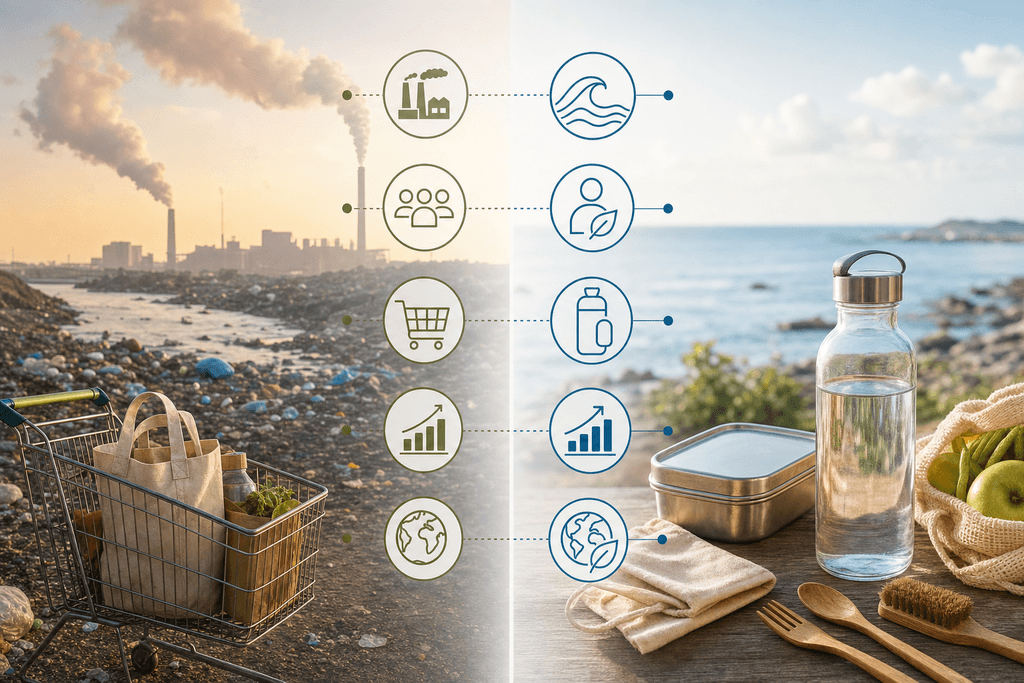
Every year, about 8 million tons of plastic end up in our oceans, while workers in developing countries often earn less than $2 per day making products we buy. These two problems might seem unrelated, but they sparked two major movements that changed how people think about shopping and living. Ethical shopping and plastic free living both aim to make the world better, but they started from different places and focus on different issues. Understanding where these movements came from helps us see why both matter and how they work together to create real change.
Where Ethical Shopping Began
Ethical shopping didn’t just appear overnight. It grew out of decades of work by people fighting for fair treatment of workers around the world. The fair trade movement started in the 1980s when people learned that coffee farmers and garment workers were being paid unfairly while big companies made huge profits.
The core ideas behind ethical shopping include:
- Making sure workers get paid fair wages for their labor
- Checking that products aren’t made using child labor or unsafe conditions
- Supporting companies that treat people and communities with respect
- Choosing brands that are honest about where their products come from
By the early 2010s, ethical shopping became much more popular as social media made it easier to share information about company practices. Organizations like The Good Shopping Guide started rating companies based on their ethical standards, giving shoppers real tools to make better choices.
The Rise of Plastic Free Living
Plastic free living took a different path. Scientists had known about ocean pollution for years, but most people didn’t pay attention until shocking photos and videos went viral in the mid-2010s. Images of sea turtles with straws stuck in their noses and beaches covered in plastic waste made the problem impossible to ignore.
The plastic free movement focuses on:
- Reducing single-use plastics like bags, bottles, and straws
- Finding reusable alternatives for everyday items
- Pushing companies to use less plastic packaging
- Cleaning up existing plastic pollution in oceans and communities
This movement grew fast because the problem felt urgent and the solutions seemed simple. People could start right away by bringing their own bags or using metal straws.
How Both Movements Grew Together
The 2010s saw both movements explode in popularity. More people started caring about where their stuff came from and what happened to it after they threw it away. Social media helped spread ideas quickly, and younger generations especially wanted to shop in ways that matched their values.
| Movement | Started From | Main Focus | Peak Growth Period |
|---|---|---|---|
| Ethical Shopping | Fair trade and labor rights | Worker welfare and justice | 2010-2015 |
| Plastic Free Living | Ocean pollution awareness | Waste reduction and environment | 2015-2020 |
At PureHabitat Initiative, we’ve seen how these movements work together through our environmental education programs. When communities learn about both ethical shopping and plastic free living, they make choices that help people and the planet at the same time. The numbers show real impact too.
Recent data tells an interesting story about adoption:
- About 73% of people say they want to buy from ethical companies
- Global sales of reusable water bottles grew by 300% between 2015 and 2020
- Fair trade product sales reached over $9 billion in 2019
- Single-use plastic bag consumption dropped by 40% in areas with plastic free campaigns
Both movements prove that regular people can make a difference when they have the right information and support. The question isn’t whether these approaches work, but how to combine them in ways that fit real life. That’s where things get interesting, because choosing between ethical shopping and plastic free living isn’t always straightforward.
What Ethical Shopping Really Means
Most people don’t realize that the average t-shirt travels through seven different countries before reaching a store shelf. Behind every product we buy sits a complex web of workers, factories, and environmental decisions. Ethical shopping is about understanding this chain and making choices that support fair treatment of people and the planet. It’s not just about buying organic cotton or bamboo products. It goes much deeper than that.
What Ethical Shopping Really Means
At its core, ethical shopping means looking at how products get made and who makes them. This includes whether workers receive fair wages and safe working conditions, how companies source their materials, and whether they’re honest about their practices. When you choose ethical products, you’re voting with your wallet for a system that values human dignity over pure profit.
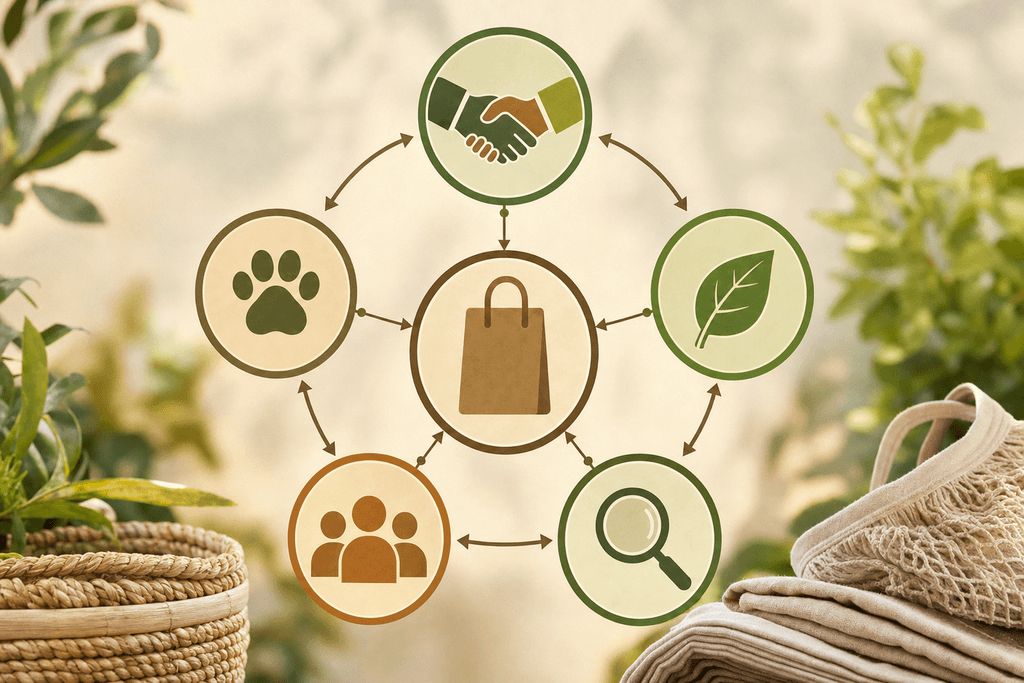
Key principles of ethical shopping include:
- Fair compensation and safe environments for all workers in the supply chain
- Environmentally responsible sourcing that doesn’t destroy ecosystems
- Complete transparency about where materials come from and how products are made
- Supporting small businesses and local economies instead of massive corporations
- Considering animal welfare in production processes
The tricky part is knowing which brands actually follow these principles. Many companies slap “ethical” or “sustainable” labels on products without real proof. Through our educational programs at PureHabitat Initiative, we teach communities how to spot genuine ethical practices versus marketing tricks. We share resources that help people research brands and understand certifications that actually matter.
- Look for third-party certifications like Fair Trade, B Corp, or GOTS
- Check if the company publishes information about their factories and suppliers
- Research whether workers are paid living wages, not just minimum wage
- See if the brand uses sustainable materials and renewable energy
- Read about their waste management and carbon footprint reduction efforts
- Verify claims through independent sources, not just company websites
The reality is that ethical shopping requires more effort than regular shopping. You can’t just grab whatever’s cheapest or most convenient. But once you learn what to look for, it becomes second nature. Many communities we work with report that after attending our workshops, they feel more confident making purchasing decisions that align with their values.
The Plastic Free Living Approach
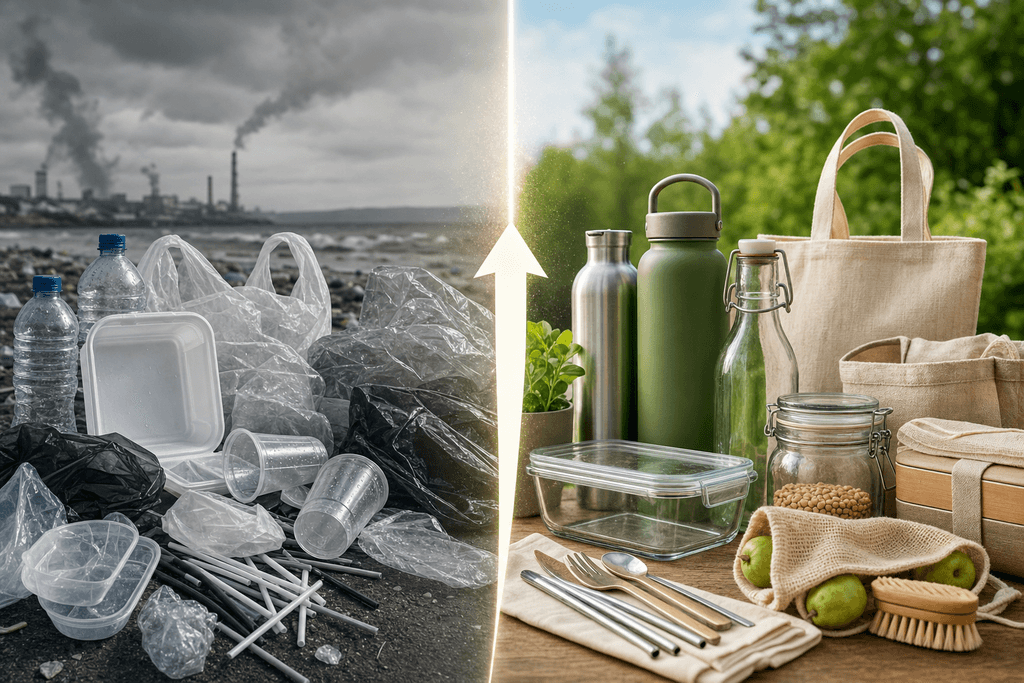
Every minute, about one garbage truck worth of plastic enters our oceans. That’s a staggering amount of waste that doesn’t break down for hundreds of years. Plastic free living tackles this problem head-on by eliminating single-use plastics from daily routines. Unlike ethical shopping which focuses on how things are made, this approach zeroes in on what happens after we’re done using products. The goal isn’t perfection but rather significant reduction in plastic consumption.
The Plastic Free Living Approach
The movement started gaining serious momentum when people realized that recycling alone wouldn’t solve our plastic crisis. Most plastic never actually gets recycled, even when you put it in the blue bin. It ends up in landfills, oceans, or gets burned, releasing harmful chemicals. Understanding why plastic-free living matters helps explain the environmental and health impacts we’re dealing with.
Core strategies for reducing plastic include:
- Swapping disposable items for reusable versions like water bottles, shopping bags, and food containers
- Choosing products with biodegradable or compostable packaging
- Shopping at bulk stores where you can bring your own containers
- Making homemade versions of products that typically come in plastic packaging
- Refusing plastic straws, utensils, and other unnecessary single-use items
| Global plastic production | 400+ million tons yearly |
| Plastic actually recycled | Less than 10% |
| Time to decompose | 450-1000 years |
| Ocean plastic by 2050 | More than fish |
Through PureHabitat Initiative programs, communities learn practical ways to cut plastic from their lives without feeling overwhelmed. We don’t expect anyone to go completely zero waste overnight. Instead, we focus on simple swaps that make the biggest impact. Our resource sharing network helps people access reusable products and connects them with local refill stations and package-free shopping options.
The beauty of plastic free living is that it creates visible change quickly. When a neighborhood commits to reducing plastic together, you can actually see less trash on streets and in parks. This is how conscious consumers make a real difference in their immediate environment and beyond.
Where These Movements Overlap and Differ
Here’s where things get interesting. Both ethical shopping and plastic free living aim to reduce environmental harm, but they attack the problem from different angles. Think of them as two tools in the same toolbox. Sometimes you need a hammer, sometimes you need a screwdriver, and sometimes you need both. Understanding when to use which approach makes you a more effective conscious consumer.
Ethical shopping puts people first. It asks questions about worker treatment, fair wages, and responsible production methods. Plastic free living puts waste reduction first. It asks whether a product will end up polluting the environment after you’re done with it. Neither approach is better than the other, they just have different priorities.
Here’s where they differ:
| Ethical Shopping | Plastic Free Living |
|---|---|
| Focuses on production methods | Focuses on waste reduction |
| Prioritizes worker welfare | Prioritizes pollution prevention |
| May still use plastic | May ignore labor practices |
| Long-term systemic change | Immediate environmental impact |
The challenge is that these two approaches don’t always align perfectly. You might find an ethically made product that comes wrapped in layers of plastic. Or you could discover a plastic-free option that was produced in a factory with questionable labor practices. This creates real dilemmas for people trying to shop responsibly.
Benefits and limitations of each approach:
- Ethical shopping alone: Improves lives of workers but may not address packaging waste or environmental pollution from production
- Plastic free living alone: Reduces visible waste but might overlook exploitation in supply chains or carbon emissions from production
- Combined approach: Addresses both human and environmental concerns but requires more research and often costs more money
The sweet spot exists where both principles meet. Products that are ethically made AND come without plastic packaging. These items are getting easier to find as more companies recognize that consumers want both. At PureHabitat Initiative, we help communities identify these products through our educational workshops and resource sharing programs. We believe you shouldn’t have to choose between protecting people and protecting the planet.
What matters most is starting somewhere. Pick the approach that resonates with you, whether that’s ethical shopping, plastic free living, or a combination of both. As you learn more and build new habits, you can expand your efforts. The communities we work with often start with one focus and naturally incorporate the other over time. Change doesn’t happen all at once, but every conscious choice adds up to real impact.
Combining Both for Maximum Impact
Most people think they have to choose between ethical shopping and plastic free living, but that’s not actually true. The real power comes when you combine both approaches into one lifestyle framework. When you buy fair trade products in reusable containers or support local businesses that use minimal packaging, you’re hitting multiple sustainability goals at once. This combined approach creates a ripple effect that goes way beyond just your personal choices. Communities that embrace both principles together see faster progress toward environmental goals and stronger local economies at the same time.
When Your Values Clash
Sometimes ethical shopping and plastic free living pull you in different directions. You might find an amazing fair trade product wrapped in plastic, or discover plastic-free items made under questionable labor conditions. Here’s how to make those tough calls without losing your mind.
- Consider which issue causes more harm in the specific situation (worker exploitation vs ocean pollution)
- Look for the option that affects the most people or ecosystems long-term
- Choose products where companies are actively working to improve both areas
- Remember that doing something is always better than doing nothing out of confusion
Building Your Shopping Framework
Creating a personal system helps you make faster decisions without researching every single purchase. Start with your non-negotiables and build from there. Alexis McGivern’s approach to plastic-free living shows how simple frameworks can guide daily choices without overwhelming you.
| Priority Level | Ethical Focus | Plastic-Free Focus |
|---|---|---|
| Must Have | Fair wages | Zero single-use plastic |
| Strongly Prefer | Local sourcing | Minimal packaging |
| Nice to Have | B-Corp certified | Compostable materials |
Real Communities Making It Work
Portland Neighborhood Collective: This group of 50 families created a buying club that sources bulk goods in reusable containers directly from ethical suppliers. They cut their plastic waste by 78% and increased spending with fair trade vendors by 60% in just one year.
Austin Zero Waste Initiative: Local businesses partnered with ethical brands to offer package-free refill stations. Customers bring their own containers and fill up on everything from cleaning supplies to snacks, all from companies with verified ethical practices.
The Community Multiplier Effect
Individual choices matter, but community action changes entire systems. When neighborhoods adopt both ethical shopping and plastic free living together, local businesses respond by changing their practices. Grocery stores start offering more bulk options, restaurants switch to ethical suppliers, and new businesses emerge to meet the demand.
- Start conversations with neighbors about shared values and shopping challenges
- Organize group purchases from ethical suppliers to reduce packaging and costs
- Share resources like reusable containers and shopping bags within your community
- Pressure local retailers to stock products that meet both ethical and plastic-free standards
Getting Support for Your Journey
You don’t have to figure this out alone. Organizations like PureHabitat Initiative provide educational resources and community support to help people integrate sustainable practices into daily life. Their resource sharing programs connect communities with tools and information needed to make both ethical shopping and plastic free living more accessible. The key is finding support systems that understand both aspects matter equally and can help you navigate the inevitable conflicts that come up.
Your Path Forward
Here’s the thing about ethical shopping and plastic free living. They’re not competing ideas that force you to pick a side. They actually work together pretty well, like two parts of the same puzzle. When you buy from companies that treat workers fairly, you’re often also supporting businesses that care about packaging waste. And when you cut out plastic, you naturally start asking bigger questions about where your stuff comes from.
The best part is you don’t need to do everything at once. Start with one small change that feels doable for you. Maybe that’s bringing your own bags to the store or checking where your coffee beans come from. Progress beats perfection every single time.
What makes this easier is having support along the way. PureHabitat Initiative offers educational programs and resources that help you understand both ethical shopping practices and plastic reduction strategies. Sometimes you just need someone to show you the practical steps instead of feeling overwhelmed by all the information out there.
The truth is, most people get stuck not because they don’t care, but because they don’t know where to begin. They wonder if their choices actually matter or if they’re doing it right. But communities that tackle these changes together tend to stick with them longer and see real results in their daily habits.
You probably still have questions about how to balance these two approaches in real life. That’s completely normal, and there are some common concerns that come up for almost everyone starting this journey.
Common Questions About Sustainable Shopping
Making the switch to ethical shopping and plastic free living brings up a lot of practical questions. Most people want to do the right thing but aren’t sure where to start or how to balance their values with their budget. These are the questions we hear most often from people trying to make better choices for the planet.
Is ethical shopping more expensive than regular shopping?
Not always, but it depends on what you’re buying. Some ethical products cost more upfront because they’re made to last longer or use better materials. The trick is thinking about cost per use instead of just the price tag. A $30 reusable water bottle might seem pricey compared to a $5 plastic one, but it’ll last years instead of months.
Can I go plastic free on a budget?
Yes, and sometimes it actually saves money. Start with what you already have before buying new stuff. Glass jars from pasta sauce work great for storage. Cloth napkins replace paper towels. Shopping at bulk stores lets you buy only what you need and skip the packaging markup. The PureHabitat Initiative helps communities access resources for sustainable living without breaking the bank through our resource sharing programs.
Which should I prioritize first, ethical or plastic free?
Start with whatever feels easier for your lifestyle. If you hate seeing plastic waste pile up, tackle that first. If worker rights matter more to you, focus on ethical shopping. The good news is these two things overlap a lot. Many ethical brands also avoid plastic packaging because they care about the whole environmental picture.
How do I find ethical and plastic free products?
Look for certifications like Fair Trade, B Corp, or Plastic Free on product labels. Check company websites for transparency about their supply chains. Local farmers markets and refill shops are goldmines for both ethical and plastic free options. Our environmental education programs teach people how to spot genuinely sustainable products versus greenwashing.
What if ethical products come in plastic packaging?
This happens more than it should. When you have to choose, think about which issue matters more for that specific purchase. A fair trade chocolate bar in plastic wrapper still supports better farming practices. You can also contact companies directly and ask them to change their packaging. Consumer pressure works, and brands listen when enough people speak up.
How can communities support both movements?
Communities can organize swap meets, start tool libraries, and create bulk buying groups. Neighborhood associations can push for better recycling programs and support local ethical businesses. PureHabitat Initiative works directly with community groups to build these kinds of programs that make sustainable choices accessible to everyone, not just people with extra money to spend.