Most people toss out enough trash in just one week to fill a small bathtub, and that waste doesn’t just disappear. A zero waste lifestyle might sound extreme, but it’s really about making simple swaps that cut down on what ends up in landfills. Whether you’re tired of overflowing garbage bins or just want to live a bit lighter on the planet, starting small can lead to changes that actually stick.
Table of Contents
Understanding the Zero Waste Movement
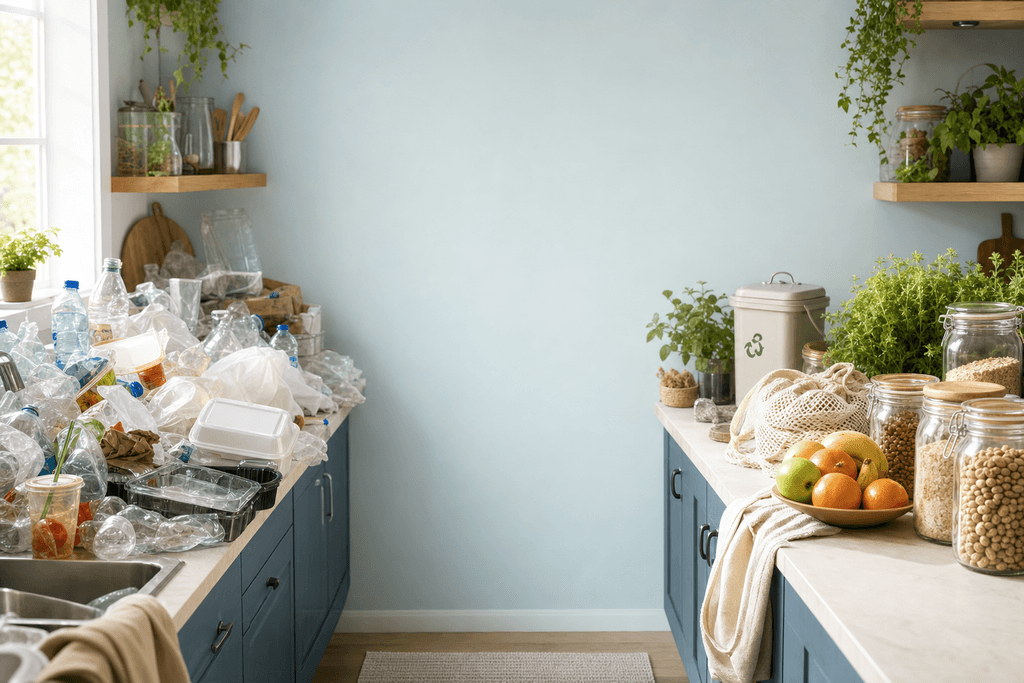
The average American throws away about 4.5 pounds of trash every single day, which adds up to over 1,600 pounds per year. Most of this waste ends up in landfills where it sits for decades or even centuries, releasing harmful gases and chemicals into our environment. The zero waste lifestyle offers a practical way to change these numbers, but it’s not about being perfect or never creating any trash at all.
What Zero Waste Really Means
Zero waste is a lifestyle approach focused on refusing, reducing, reusing, recycling, and composting to minimize what ends up in landfills. The goal isn’t to produce absolutely zero trash overnight, but to make thoughtful choices that significantly cut down on waste over time. Think of it as a journey rather than a destination, where every small step counts toward a bigger impact.
The core principles guide people to rethink their daily habits and purchasing decisions. At PureHabitat Initiative, we help communities understand these principles through hands-on education and resource sharing that makes the transition feel manageable rather than overwhelming.
- Refuse what you don’t need, like single-use plastics and unnecessary packaging
- Reduce what you do need by choosing quality over quantity
- Reuse items as many times as possible before replacing them
- Recycle properly when items can’t be reused
- Compost organic materials to return nutrients to the soil
Common Myths About Going Zero Waste
Many people avoid trying a zero waste lifestyle because they believe it requires extreme sacrifices or expensive specialty products. The truth is much simpler and more accessible than most think. You don’t need to buy all new containers, shop at fancy stores, or make everything from scratch to make a real difference.
| Myth | Reality |
|---|---|
| Must be 100% perfect | Progress matters more than perfection |
| Costs more money | Often saves money long-term |
| Takes too much time | Gets easier with practice |
| Only for certain people | Anyone can start small |
Another common misconception is that you need to live in a big city with special stores to practice zero waste. Communities everywhere can adopt these practices using local resources and creativity.
Zero Waste Versus Low Waste Living
The difference between zero waste and low waste approaches comes down to flexibility and personal circumstances. Zero waste aims for the ideal of producing no trash, while low waste recognizes that life happens and perfection isn’t always possible or practical. Both approaches share the same values and make significant positive impacts on the environment.
Low waste living acknowledges that factors like location, budget, health needs, and family situations affect what’s realistic for each person. According to experts in sustainable living, starting with a low waste mindset often leads to more lasting change because it feels achievable rather than intimidating.
- Zero waste works best for those with access to bulk stores and farmers markets
- Low waste adapts to whatever resources are available in your area
- Both approaches significantly reduce landfill contributions
- Either path supports healthier communities and environments
Connecting Waste Reduction to Community Health
Reducing waste does more than help the planet. It directly improves the health and safety of the communities where we live. Landfills near residential areas release toxic chemicals into groundwater and air, affecting everything from respiratory health to childhood development. When communities embrace waste reduction together, they create cleaner, safer neighborhoods for everyone.
The connection between environmental choices and personal wellbeing becomes clear when you look at the bigger picture. Fewer toxins in our environment mean fewer health problems, lower medical costs, and stronger communities overall. Organizations focused on community empowerment, like PureHabitat Initiative, help neighborhoods understand these connections and take action together for lasting change.
- Less waste means fewer harmful chemicals in local air and water
- Communities with lower waste production report better overall health outcomes
- Shared sustainability efforts strengthen neighborhood bonds and cooperation
Kitchen Swaps That Make a Real Difference
The average American family throws away about 30% of the food they buy, which adds up to roughly $1,500 per year. Your kitchen is probably the easiest place to start your zero waste lifestyle because the changes you make here happen multiple times every day. You don’t need to overhaul everything at once or spend a fortune on fancy containers. Small swaps in how you store food, shop, and handle leftovers can cut your waste in half within just a few weeks.
Kitchen Swaps That Make a Real Difference
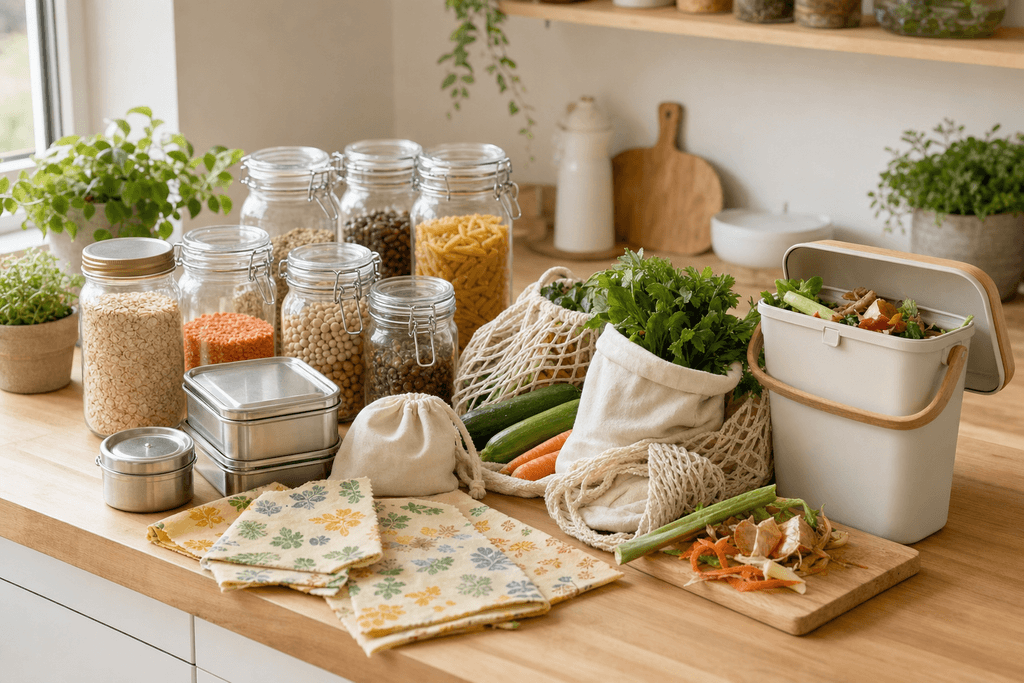
The biggest waste culprits in most kitchens are single-use items like plastic wrap, paper towels, and disposable bags. Switching to reusable alternatives might feel weird at first, but it becomes second nature fast.
- Beeswax wraps instead of plastic wrap and aluminum foil
- Cloth napkins and kitchen towels to replace paper products
- Glass containers for food storage instead of plastic bags
- Reusable produce bags for shopping trips
- Silicone baking mats instead of parchment paper
Food waste is another huge problem that most people don’t realize they can control. Meal planning and smart storage are your best friends here. When you plan your meals for the week, you buy only what you need and use everything you purchase. Store vegetables in glass containers with damp towels to keep them fresh longer, and learn which foods can be frozen before they go bad.
Buying in bulk reduces packaging waste and usually saves money too. Bring your own containers to bulk stores for grains, nuts, spices, and even liquids like oils and vinegar. If you don’t have a bulk store nearby, buying larger quantities and storing them properly still beats buying multiple small packages.
Essential Kitchen Swaps Checklist
- Replace paper towels with cloth alternatives
- Switch plastic wrap for beeswax wraps or containers
- Get reusable produce and shopping bags
- Start composting kitchen scraps
- Buy a set of glass storage containers
- Find a bulk store in your area
Composting sounds complicated but it’s actually pretty simple. Kitchen scraps like vegetable peels, coffee grounds, and eggshells can go into a compost bin instead of the trash. Even if you live in an apartment, small countertop composters or worm bins work great. PureHabitat Initiative’s resource sharing programs help communities access composting tools and education, making it easier to get started without buying everything new.
Bathroom and Personal Care Made Simple
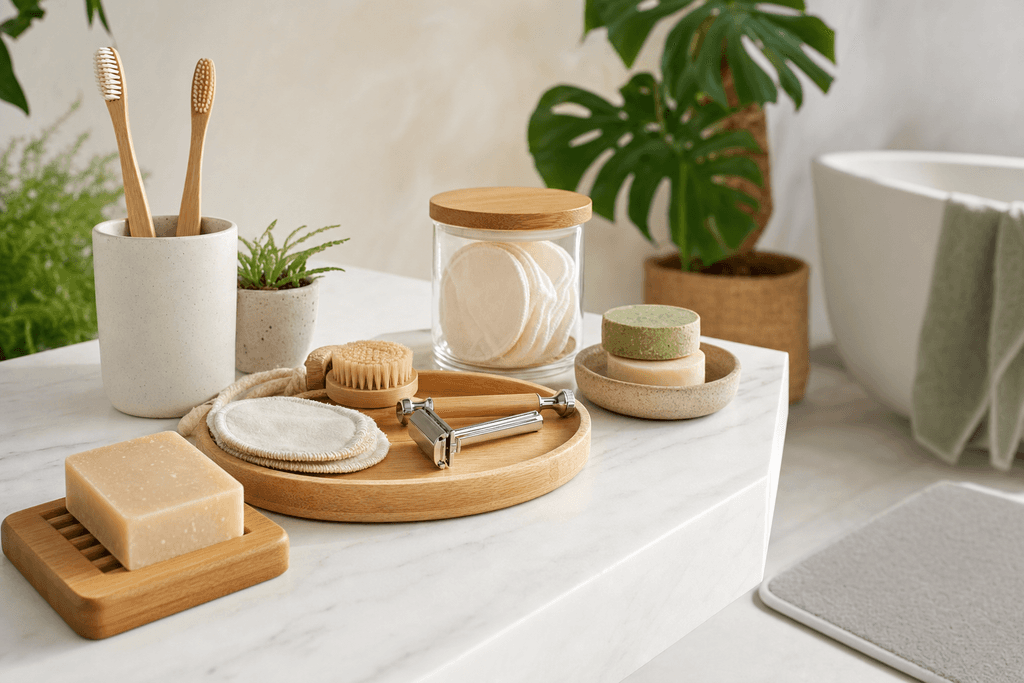
Bathrooms generate tons of plastic waste that most people never think about until they start counting. Shampoo bottles, disposable razors, cotton swabs, makeup remover pads, and toothbrushes all add up fast. The good news is that package-free alternatives exist for almost everything, and many of them work better than the conventional versions. You don’t have to switch everything overnight, but replacing items as they run out makes the transition painless and affordable.
Bathroom and Personal Care Made Simple
Bar soaps and shampoo bars eliminate plastic bottles completely. They last longer than liquid versions and take up less space too. Solid deodorants, toothpaste tablets, and conditioner bars round out the package-free basics.
| Conventional Product | Zero Waste Alternative | Waste Reduced |
|---|---|---|
| Plastic shampoo bottles | Shampoo bars | 12+ bottles yearly |
| Disposable razors | Safety razor | 50+ razors yearly |
| Cotton rounds | Reusable cloth pads | 365+ rounds yearly |
| Plastic toothbrushes | Bamboo toothbrushes | 4+ brushes yearly |
You can make some personal care products yourself if you’re into that, but buying eco-friendly options is totally fine too. DIY recipes for things like face masks, body scrubs, and hair treatments are easy to find online. The Ultimate Guide to Starting your Zero Waste Journey from RTS offers practical tips on both DIY and store-bought alternatives that work for different lifestyles.
Water waste is another bathroom issue worth addressing. Shorter showers, turning off the tap while brushing teeth, and fixing leaky faucets can save thousands of gallons per year. These changes also lower your utility bills, which is a nice bonus.
Sustainable period products like menstrual cups, period underwear, and reusable pads reduce waste significantly. One menstrual cup can replace thousands of disposable products over its lifetime. They’re also healthier because they don’t contain the chemicals and fragrances found in conventional products.
Shopping and Daily Habits That Stick
The hardest part of a zero waste lifestyle isn’t making the initial changes. It’s building habits that actually stick when life gets busy or stressful. Shopping habits determine most of your waste, so getting this part right makes everything else easier. The key is preparation and knowing where to find what you need without the excess packaging that comes with conventional shopping.
Your zero waste shopping kit should live in your car or by the door so you never forget it. Pack reusable bags, produce bags, containers for bulk items, and a water bottle.
- Canvas tote bags for groceries
- Mesh produce bags for fruits and vegetables
- Glass jars or containers for bulk items
- Reusable water bottle and coffee cup
- Cloth napkin or handkerchief
- Metal utensils for eating on the go
Finding bulk stores and farmers markets in your area takes some research but pays off. Farmers markets usually have less packaging and support local growers. Bulk stores let you buy exactly what you need without any waste. Some regular grocery stores have bulk sections too, so check what’s already available near you.
Learning to say no is a skill that takes practice. Free samples, promotional items, and unnecessary packaging all create waste you don’t need. Politely declining freebies at events, asking for no bag when you buy one item, and requesting no straw at restaurants become automatic after a while.
Zero Waste Shopping Preparation Checklist
- Pack reusable bags before leaving home
- Bring containers for bulk purchases
- Make a shopping list to avoid impulse buys
- Research bulk stores and farmers markets nearby
- Keep shopping kit in car or by door
- Bring your own coffee cup for cafe visits
Transportation choices affect your carbon footprint more than most people realize. Walking, biking, carpooling, or using public transit when possible reduces emissions significantly. Combining errands into one trip instead of making multiple short drives also helps. According to Keep America Beautiful’s guide to zero waste living, transportation accounts for a huge portion of individual carbon footprints.
Building lasting habits requires support from others who understand what you’re trying to do. Community support makes the difference between giving up and sticking with it when challenges come up. PureHabitat Initiative’s educational programs connect people with resources and communities that support behavior change, making it easier to maintain your zero waste lifestyle long-term. The organization’s workshops and training sessions help people learn from others who’ve already made these changes successfully.
The Real Impact of Your Zero Waste Journey
The average American throws away about 4.5 pounds of trash every single day, which adds up to over 1,600 pounds per year. When you start a zero waste lifestyle, you’re not just making a small change. You’re actually creating ripples that spread far beyond your own household. The numbers tell a story that most people don’t realize until they see the data laid out in front of them. Communities that have embraced zero waste practices report measurable improvements in air quality, reduced landfill usage, and even stronger neighborhood connections.
Environmental Wins You Can Measure
Switching to reusable products instead of single-use items creates an immediate impact on your carbon footprint. A single reusable water bottle can replace over 1,400 plastic bottles per year, and that’s just one swap.
| Item Replaced | Annual Waste Prevented | CO2 Reduction |
| Plastic bottles | 1,400+ bottles | 156 lbs CO2 |
| Shopping bags | 500+ bags | 22 lbs CO2 |
| Coffee cups | 365+ cups | 45 lbs CO2 |
These aren’t just theoretical numbers. Real families tracking their waste have documented reductions of 70-90% within the first year of adopting zero waste lifestyle practices.
Money Stays in Your Pocket
The financial benefits surprise most beginners. Buying in bulk and using reusable products typically saves families between $1,200 and $2,400 annually. That’s real money that stays in your bank account instead of going to disposable products.
- Reusable produce bags eliminate the need for plastic bags and reduce food waste by keeping produce fresh longer
- Bulk buying reduces packaging costs that manufacturers pass on to consumers
- Cloth napkins and towels replace paper products that need constant repurchasing
- DIY cleaning products cost pennies compared to store-bought chemical cleaners
Health Improvements Beyond the Environment
Reducing plastic exposure means fewer harmful chemicals entering your body. Studies show that people who switch to glass and stainless steel containers have lower levels of BPA and phthalates in their bloodstream within just weeks.
- Glass food storage eliminates microplastic contamination in meals
- Natural cleaning products reduce respiratory irritation and skin reactions
- Buying fresh bulk foods means less processed packaging and preservatives
At PureHabitat Initiative, we’ve seen communities report fewer allergy symptoms and respiratory issues after switching to zero waste practices. The connection between reducing chemical exposure and better health outcomes becomes clear pretty quickly.
Your Influence Spreads Faster Than You Think
Here’s something most people don’t expect. When you start living zero waste, your neighbors notice. One family’s changes often inspire three to five other households to make similar shifts within six months.
- Friends see your reusable bags and ask where you got them
- Coworkers notice your waste-free lunch setup and want to try it
- Family members start questioning their own disposable product habits
- Local businesses respond to customer demand for bulk and package-free options
This ripple effect creates lasting change that goes way beyond individual action. Communities working together through organizations like PureHabitat Initiative amplify these benefits through shared resources and education programs that make sustainable living accessible to everyone, not just those who can afford expensive eco-products.
Your Zero Waste Journey Starts Today
Moving toward a zero waste lifestyle doesn’t mean you need to change everything overnight. The people who stick with it are usually the ones who start small, maybe with just reusable bags and a water bottle. Once those habits feel normal, adding more changes becomes easier and less overwhelming.
Finding support makes a real difference too. Local zero waste communities can answer questions, share tips about where to find package-free products in your area, and remind you that nobody gets it perfect. Some people track their trash for a month to see their progress, which can be surprisingly motivating when you notice how much less you’re throwing away.
The PureHabitat Initiative offers resources and educational programs that can help you figure out what steps make sense for your situation. Whether you need information about composting, want to learn about sustainable alternatives, or just need some guidance on where to start, having access to practical support matters more than most people realize.
The truth is that every small change adds up over time. Your choices influence the people around you, and before long, what seemed difficult becomes just part of how you live. The hardest part is usually just getting started, but once you do, you might be surprised at how natural it feels.
Still have questions about making the switch to a zero waste lifestyle? We’ve put together some answers to the most common concerns people have when they’re just getting started.
Common Zero Waste Questions Answered
Starting a zero waste lifestyle brings up a lot of practical questions, and that’s completely normal. Most people worry about the same things when they first begin this journey. Here are the answers to the questions we hear most often from beginners trying to figure out how to make zero waste work in their real lives.
Is zero waste expensive to start?
Not really, and it actually saves you money over time. You don’t need to buy everything at once or purchase fancy containers right away. Start by using what you already have, like glass jars from pasta sauce or old cloth bags. The zero waste lifestyle steps for beginners focus on reducing purchases, which naturally cuts your spending. Most people find their grocery bills drop when they stop buying packaged snacks and processed foods.
What if I can’t find bulk stores near me?
You have more options than you think. Regular grocery stores often have bulk sections for nuts, grains, and spices that you might have overlooked. Farmers markets let you buy produce without packaging, and you can ask your local bakery to put bread directly in your cloth bag. Online communities and resource sharing programs like those offered through PureHabitat Initiative can connect you with local zero waste options you didn’t know existed.
How do I handle zero waste with kids or roommates?
Start small and lead by example instead of forcing everyone to change overnight. Keep it simple by swapping one thing at a time, like switching to reusable water bottles or cloth napkins. Kids often get excited when you explain how they’re helping animals and the planet. For roommates, focus on shared spaces first and respect that everyone moves at their own pace.
What should I do with all my plastic stuff?
Use it until it wears out, then replace it with better options. Throwing away perfectly good plastic items just creates more waste, which defeats the purpose. The zero waste lifestyle isn’t about perfection or getting rid of everything you own. It’s about making better choices moving forward and using what you have responsibly.
How long does it take to see results?
Most people notice a difference in their trash output within the first month. You’ll probably see your kitchen garbage shrink by half pretty quickly once you cut out food packaging and start composting. The environmental education programs we offer help you track your progress and stay motivated as you build new habits that stick.
Can I really make a difference as one person?
Yes, and your impact spreads further than you realize. The average person creates about 4.5 pounds of trash daily, which adds up to over 1,600 pounds per year. When you share your zero waste lifestyle steps with friends and family, they often start making changes too. Community empowerment happens when individuals take action and inspire others around them to do the same.