Every minute, a garbage truck full of plastic dumps its load into our oceans, choking marine life and poisoning our water supply. But there’s a natural material formed from ancient algae fossils that’s helping families reduce plastic waste in their homes right now. Diatomite creates everyday products that replace hundreds of single-use plastics, and understanding the diatomite benefits could be the key to cutting your household’s plastic footprint in half.
Table of Contents
- What Makes Diatomite Different from Plastic
- Everyday Products That Replace Plastic
- How Diatomite Products Cut Your Plastic Footprint
- The Health and Safety Benefits Beyond Plastic Reduction
- Making the Switch Work for Your Community
- Your Next Steps Toward Less Plastic
- Common Questions About Diatomite and Plastic Reduction
What Makes Diatomite Different from Plastic
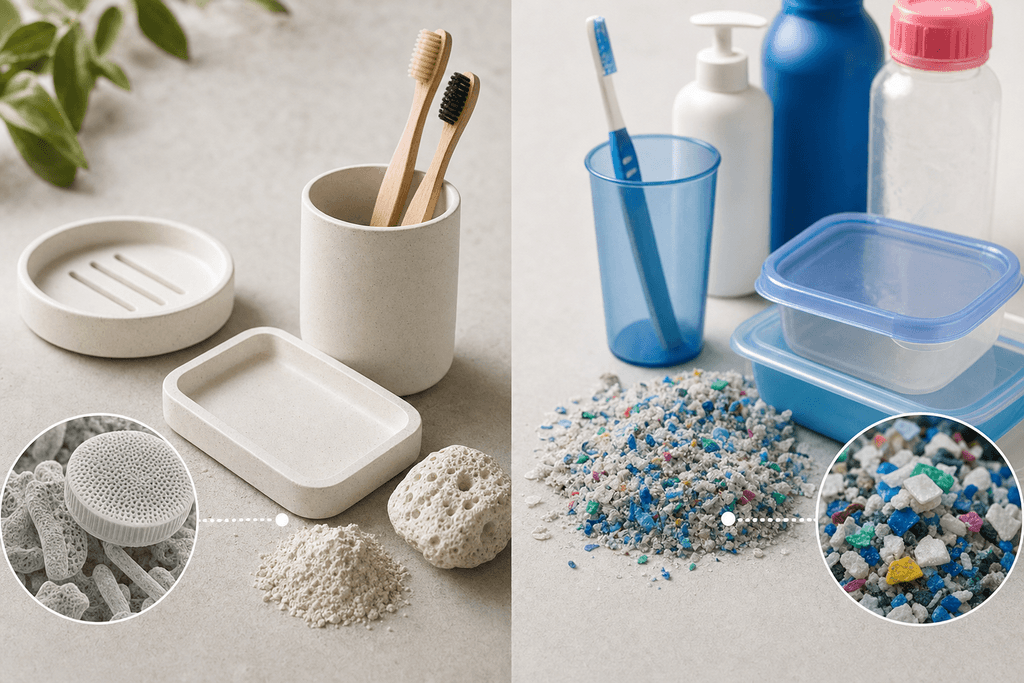
Every year, humans produce over 400 million tons of plastic waste, and most of it never breaks down. But there’s a natural material that’s been sitting in the earth for millions of years, waiting to help us fix this problem. Diatomite, also called diatomaceous earth, comes from tiny fossilized algae called diatoms that lived in ancient oceans and lakes. When these microscopic organisms died, their silica-based shells piled up on the ocean floor, eventually forming thick deposits of a chalky, porous rock that we mine and use today.
How Nature Creates Diatomite
The process that creates diatomite takes millions of years and happens completely naturally. Diatoms are single-celled algae with hard shells made of silica, the same material found in sand and glass. When they die, their shells sink and accumulate in layers that can be hundreds of feet thick.
Here’s what makes this material special:
- Forms naturally over 10 to 20 million years from fossilized algae remains
- Contains millions of tiny pores that make it incredibly absorbent
- Mined from ancient lake beds and ocean floors around the world
- Requires minimal processing compared to plastic manufacturing
Natural Properties That Beat Plastic
Unlike plastic, which is made from petroleum and chemicals, diatomite brings natural benefits that make it perfect for everyday items. The microscopic holes in diatomite give it natural antimicrobial properties, meaning bacteria and mold have a hard time growing on it. According to Healthline’s guide on diatomaceous earth, this material has been used safely for decades in various applications.
The key advantages include:
- Absorbs moisture up to 150% of its own weight
- Dries in minutes instead of hours like plastic alternatives
- Naturally resists mold and mildew growth without chemicals
- Stays fresh and clean with minimal maintenance
- Lasts for years with proper care
Breaking Down the Differences
When you compare diatomite to plastic, the differences become clear pretty fast. At PureHabitat Initiative, we’ve seen communities switch to diatomite products and reduce their plastic waste significantly while enjoying better performance.
| Property | Diatomite | Plastic |
|---|---|---|
| Origin | Fossilized algae | Petroleum-based |
| Biodegradable | Yes, returns to earth | No, lasts 500+ years |
| Toxicity | Non-toxic, natural | Contains chemicals |
| Drying Time | 2-3 minutes | Hours or never |
| Antimicrobial | Yes, naturally | No, grows bacteria |
| Mold Resistance | Excellent | Poor |
The environmental impact tells an even bigger story. Plastic production releases tons of carbon dioxide and requires crude oil, while diatomite just needs to be mined and shaped. When a plastic bath mat ends up in a landfill, it sits there for centuries, but a diatomite mat will eventually break down into harmless silica that returns to the earth.
What really sets diatomite apart is how it performs in real life. The porous structure means water doesn’t pool on the surface like it does with plastic. Instead, it gets absorbed and evaporates quickly, which is why diatomite bath mats and coasters have become so popular for people trying to reduce plastic in their homes.
Everyday Products That Replace Plastic
Most people don’t realize how much plastic lives in their bathrooms and kitchens until they start counting. From shower mats to coasters, plastic has quietly taken over our homes. But there’s a natural material that’s been around for millions of years that can help us kick the plastic habit without sacrificing convenience or quality.
Everyday Products That Replace Plastic
Diatomite is made from fossilized algae, and it has some pretty amazing properties that make it perfect for everyday household items. The material absorbs water incredibly fast, dries in minutes, and naturally resists bacteria and mold growth. These features make it ideal for replacing those plastic items that always seem to get gross or break down too quickly.
Here are the most common plastic items you can replace with diatomite alternatives:
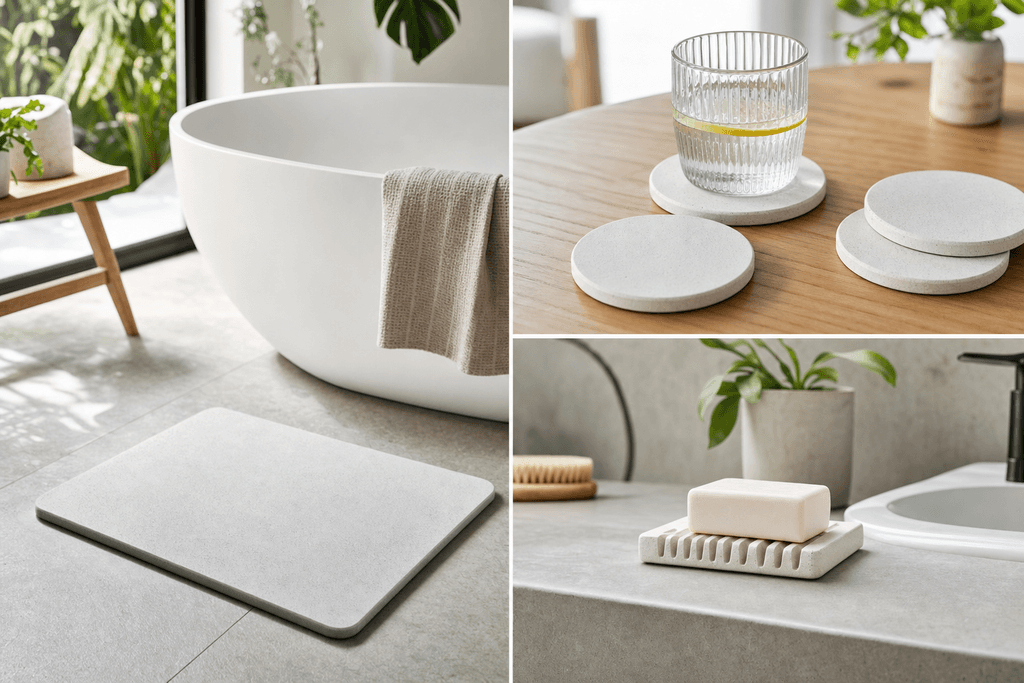
- Bath mats that replace both plastic shower mats and fabric mats that turn into bacteria hotels
- Kitchen coasters and trivets that eliminate the need for plastic versions that crack and stain
- Soap dishes and toothbrush holders that never develop that slimy film or mold spots
- Pet food mats that stay clean and dry without any plastic materials
The real advantage shows up when you look at how long these products last. A typical plastic shower mat might give you three to six months before it gets moldy or starts falling apart. Each diatomite product lasts between two and five years, which means you’re not constantly buying replacements and tossing old ones in the trash.
At PureHabitat Initiative, we’ve seen families completely transform their plastic consumption just by swapping out a few key items. One diatomite bath mat might not seem like a big deal, but when you multiply that across a whole community, the impact adds up fast.
How Diatomite Products Cut Your Plastic Footprint
Let’s talk actual numbers, because vague claims about “helping the environment” don’t really tell you much. When you switch to diatomite products, you’re not just making a small dent in plastic waste. You’re eliminating a steady stream of plastic items that would otherwise end up in landfills or oceans.
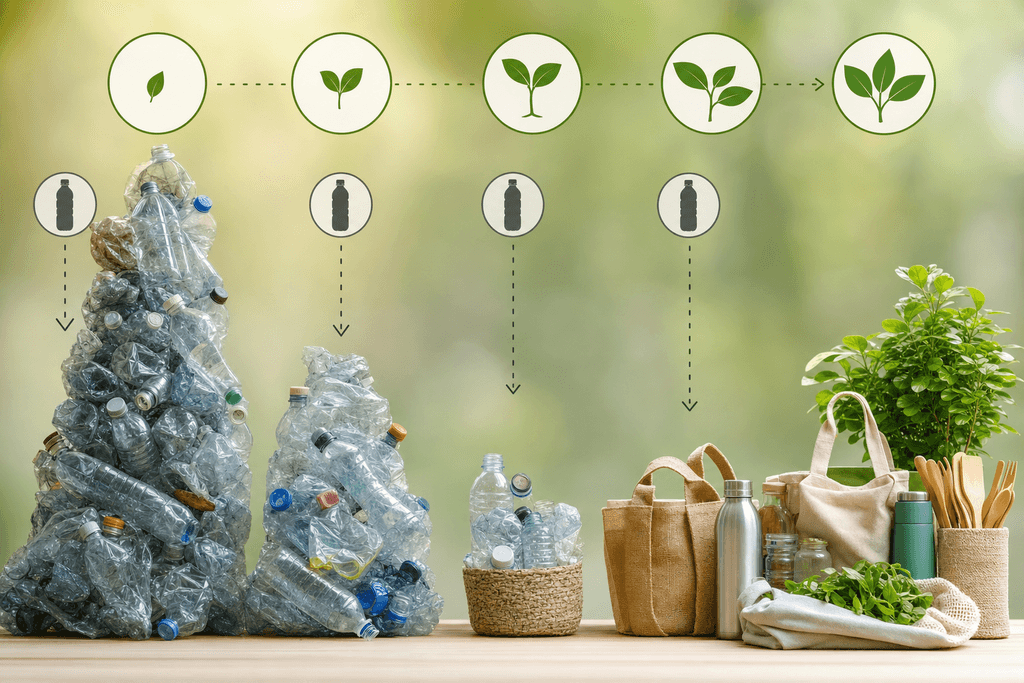
How Diatomite Products Cut Your Plastic Footprint
A single diatomite bath mat replaces about 15 to 20 plastic shower mats over a five-year period. That’s 15 to 20 plastic mats that never get manufactured, shipped, or thrown away. The same logic applies to every diatomite product you bring into your home.
| Diatomite Product | Plastic Items Replaced Per Year | Five-Year Total |
|---|---|---|
| Bath Mat | 3-4 plastic mats | 15-20 mats |
| Coaster Set (4 pieces) | 50-100 disposable coasters | 250-500 coasters |
| Soap Dish | 2-3 plastic dishes | 10-15 dishes |
| Pet Food Mat | 4-5 plastic mats | 20-25 mats |
Families who make these simple swaps can reduce their bathroom plastic waste by about 60%. That’s a significant chunk of plastic that never enters the waste stream. And here’s something most people don’t think about: the production process for diatomite products uses less energy than plastic manufacturing, so you’re cutting carbon emissions too.
Our diatomite products at PureHabitat Initiative help communities track their plastic reduction over time. When you can see the actual numbers, it becomes easier to stay motivated and inspire others to make similar changes. According to research on diatomite’s environmental benefits, this natural mineral offers a practical path toward reducing our dependence on petroleum-based plastics.
The Health and Safety Benefits Beyond Plastic Reduction
Cutting plastic waste is great, but there’s another side to this story that doesn’t get talked about enough. The products you use every day in your home affect your health in ways you might not notice right away. Plastic items can harbor bacteria, shed microplastics, and release chemicals into your living space.
Diatomite naturally prevents mold and bacteria growth without any chemicals or treatments. The material’s porous structure pulls moisture away so quickly that bacteria and mold can’t establish themselves. This means your bath mat or soap dish stays clean without you having to scrub it constantly or worry about what’s growing on it.
Health advantages of switching to diatomite products:
- No microplastics shed into your home or water system
- Safe for children and pets with zero toxic materials
- Reduces exposure to BPA and other plastic chemicals found in conventional products
- Improves indoor air quality by eliminating plastic off-gassing
Plastic products release chemicals into the air through a process called off-gassing. You know that “new plastic” smell? That’s chemicals evaporating into your home. Diatomite products don’t off-gas because they’re made from natural minerals, not synthetic compounds.
For families with young children or pets, this matters even more. Kids and animals spend a lot of time on the floor and put things in their mouths. Having products that don’t shed microplastics or leach chemicals gives you one less thing to worry about. WebMD notes the natural properties of diatomaceous earth, which is the same material used in these household products.
The combination of plastic reduction and health benefits makes diatomite products a practical choice for anyone trying to create a safer, more sustainable home. You’re not choosing between what’s good for the planet and what’s good for your family. With these products, you get both.
Making the Switch Work for Your Community
The gap between knowing about sustainable alternatives and actually using them is where most environmental efforts fall apart. Families want to reduce plastic waste, but they need clear starting points and support systems to make lasting changes. When communities approach the transition to diatomite products strategically, they see measurable results that build momentum for broader environmental action.
Starting with high-impact swaps makes the biggest difference in both plastic reduction and household satisfaction. Bath mats and kitchen accessories are perfect entry points because they replace frequently-used plastic items that wear out quickly and end up in landfills.
- Diatomite bath mats eliminate the need for rubber-backed fabric mats that trap moisture and bacteria
- Kitchen accessories like coasters and drying boards replace plastic dish racks and synthetic trivets
- Soap dishes and toothbrush holders made from diatomite prevent the buildup issues common with plastic versions
- Food storage containers with diatomite moisture absorbers extend freshness without plastic packaging
Community Programs That Create Lasting Change
Individual action matters, but community-wide programs multiply the impact of switching to diatomite products. Organizations like PureHabitat Initiative work with neighborhoods to distribute sustainable alternatives and provide the education needed for long-term adoption. When entire communities make the switch together, they create support networks that sustain new habits.
- Bulk purchasing programs reduce costs and make diatomite products accessible to more families
- Educational workshops teach proper care techniques that extend product lifespan to 2-3 years or more
- Community tracking systems document plastic reduction and celebrate milestones
Real-World Success Stories
The Martinez Family in Austin replaced 12 plastic bathroom items with diatomite alternatives over six months. They tracked their plastic waste and found they eliminated approximately 8 pounds of plastic annually just from bathroom swaps. The quick-drying properties of their diatomite bath mat also solved their ongoing mold problem.
Riverside Community Association distributed diatomite starter kits to 45 households and hosted monthly care workshops. After one year, participating families reported a 34% reduction in plastic household waste. The program’s success came from combining product access with ongoing education and peer support.
Measuring Progress Builds Momentum
Tracking plastic reduction creates tangible proof that individual choices matter. Simple measurement systems help families see their impact and stay motivated through the adjustment period. Research on diatomite’s physical properties confirms these products can last years with proper care, making them genuinely sustainable replacements.
| Timeframe | Plastic Items Replaced | Estimated Waste Prevented |
|---|---|---|
| First Month | 3-5 items | 2-3 pounds |
| Six Months | 10-15 items | 8-12 pounds |
| One Year | 20-25 items | 15-20 pounds |
PureHabitat Initiative supports these transitions through resource sharing and environmental education programs designed specifically for community implementation. The organization helps neighborhoods access diatomite products and provides the training needed to maximize their longevity and impact.
Your Next Steps Toward Less Plastic
Diatomite products give you a real way to cut down on plastic without making your life harder. The material lasts for years instead of weeks, which means less trash heading to landfills and oceans. When you switch just a few household items to diatomite alternatives, you’re not just helping the environment. You’re also creating a healthier space for your family since diatomite naturally fights mold and bacteria without chemicals.
The math is pretty simple. One diatomite bath mat can replace dozens of plastic shower mats over its lifetime. One set of diatomite coasters means you won’t need to buy those plastic cork ones that fall apart. These small swaps add up faster than most people think.
Here’s what makes the biggest difference:
- Diatomite products typically last 2-5 years with basic care
- They naturally absorb moisture and dry quickly without plastic backing
- The material breaks down safely at end of life, unlike synthetic alternatives
- No toxic chemicals or treatments needed to keep them working
At PureHabitat Initiative, we help communities access these kinds of sustainable alternatives through our resource sharing programs. When whole neighborhoods start making these switches together, the impact grows beyond what any single household can do alone. The question isn’t really whether diatomite benefits are worth it. It’s more about which products make sense to switch first in your home.
Common Questions About Diatomite and Plastic Reduction
Switching from plastic to diatomite products brings up a lot of practical questions. People want to know if these natural alternatives actually work in real life, how much they cost, and whether they’ll hold up over time. The good news is that diatomite has been used for decades in various applications, and the answers might surprise you. Here’s what you need to know before making the switch.
How long do diatomite products last compared to plastic?
Diatomite products typically last 2-5 years with proper care, which is actually longer than many plastic alternatives that crack, stain, or degrade from UV exposure. Items like diatomite bath mats and coasters maintain their absorbent properties throughout their lifespan without the wear and tear you see with plastic. The key difference is that when diatomite products do reach the end of their life, they break down naturally instead of sitting in a landfill for centuries.
Is diatomite really biodegradable?
Yes, diatomite is completely biodegradable because it’s made from fossilized algae, which is essentially compressed natural sediment. When a diatomite product breaks or wears out, you can crush it up and add it to soil where it will decompose without releasing harmful chemicals. This is a huge advantage over plastic, which breaks down into microplastics that contaminate water and soil for generations.
How do you clean and maintain diatomite items?
Cleaning diatomite is surprisingly simple and doesn’t require harsh chemicals. For regular maintenance, just rinse the item with water and let it air dry in a well-ventilated area. If you notice reduced absorbency over time, lightly sand the surface with fine-grit sandpaper to remove any buildup and restore its natural porous structure. PureHabitat Initiative provides educational resources on proper care techniques to help communities get the most out of their sustainable products.
Are diatomite products more expensive than plastic alternatives?
The upfront cost of diatomite products is usually higher than cheap plastic items, but the long-term value is better. A quality diatomite bath mat might cost $25-40 compared to a $10 plastic one, but it lasts longer and doesn’t need replacing as often. When you factor in durability and the environmental cost of plastic waste, diatomite actually saves money over time.
Can diatomite products break or crack easily?
Diatomite is more fragile than plastic and can crack if dropped on hard surfaces, similar to ceramic items. However, this brittleness doesn’t mean the products are impractical for everyday use. With normal handling and care, diatomite items hold up well in bathrooms, kitchens, and other household settings. The trade-off for this fragility is a product that won’t pollute the environment when it eventually breaks down.
Where can communities access diatomite alternatives?
Diatomite products are becoming more widely available through online retailers, eco-friendly stores, and community sustainability programs. Organizations like PureHabitat Initiative work to make these alternatives accessible through resource sharing programs that connect communities with sustainable product options. Many neighborhood groups and environmental nonprofits also organize bulk purchasing programs to reduce costs and make the switch more affordable for entire communities at once.