Most families throw away enough stuff each year to fill a small bedroom, yet switching to sustainable living doesn’t mean you need to overhaul your entire life overnight. The truth is that simple changes in how your household uses energy, buys food, and handles waste can cut your environmental impact while actually saving money. PureHabitat Initiative works with families worldwide to make these sustainability tips practical and easy to stick with, proving that going green fits into real life without the stress.
Table of Contents
- Understanding Your Family’s Environmental Footprint
- Energy and Water Conservation at Home
- Simple Water Saving Habits
- Low Cost Upgrades That Pay Off
- Getting Kids Involved With Food
- Simple Swaps for Less Packaging
- The 5 Rs in Action
- Spotting Truly Eco Friendly Products
- Family Waste Sorting Checklist
- Wrap-up
- Common Questions About Family Sustainability
Understanding Your Family’s Environmental Footprint
The average American family produces about 16,000 pounds of carbon dioxide each year just from their home energy use. That’s roughly the weight of three adult elephants floating into the atmosphere from your house alone. Most families don’t realize how their everyday choices add up to create a much bigger environmental problem. When you multiply these habits across millions of households, the impact becomes massive and affects everything from local air quality to global climate patterns.

The Four Main Impact Areas
Every family affects the environment through four basic categories of daily living. Understanding these areas helps you see where small changes can make the biggest difference.
| Impact Category | Average Annual Waste | Main Contributors |
|---|---|---|
| Energy Use | 11,000 kWh | Heating, cooling, appliances |
| Water Consumption | 100,000 gallons | Showers, toilets, laundry |
| Solid Waste | 4.4 pounds per person daily | Packaging, food scraps |
| Transportation | 4.6 metric tons CO2 | Car trips, commuting |
These numbers might seem abstract, but they represent real resources leaving your home every single day. The connection between what happens inside your house and what happens to the planet is more direct than most people think.
How Daily Habits Create Lasting Problems
Simple routines that seem harmless actually build up over time. Here’s how typical family behaviors contribute to environmental strain:
- Leaving lights on in empty rooms wastes enough energy to power a laptop for 8 hours
- Running half-empty dishwashers uses 50% more water and energy than necessary
- Throwing away food scraps sends methane-producing waste to landfills
- Taking long showers uses up to 50 gallons of heated water per person
The PureHabitat Initiative works with families to identify these patterns through our environmental education programs. We’ve found that most households don’t lack good intentions, they just need better information about which changes actually matter.
Why Family Choices Matter Long Term
What you do at home doesn’t stay at home. Your family’s daily decisions ripple outward in ways that affect your community and beyond.
- Local water treatment facilities process billions of gallons because of household overuse
- Power plants burn extra fossil fuels to meet residential energy demands
- Landfills expand to accommodate the 254 million tons of trash Americans produce yearly
Research shows that families who learn about environmental impacts together are more likely to adopt sustainable practices that stick. The good news is that small shifts in how your family operates can reduce your environmental footprint by 25-40% within the first year. Understanding where you’re starting from makes it easier to see where you can improve without turning your whole life upside down.
Energy and Water Conservation at Home
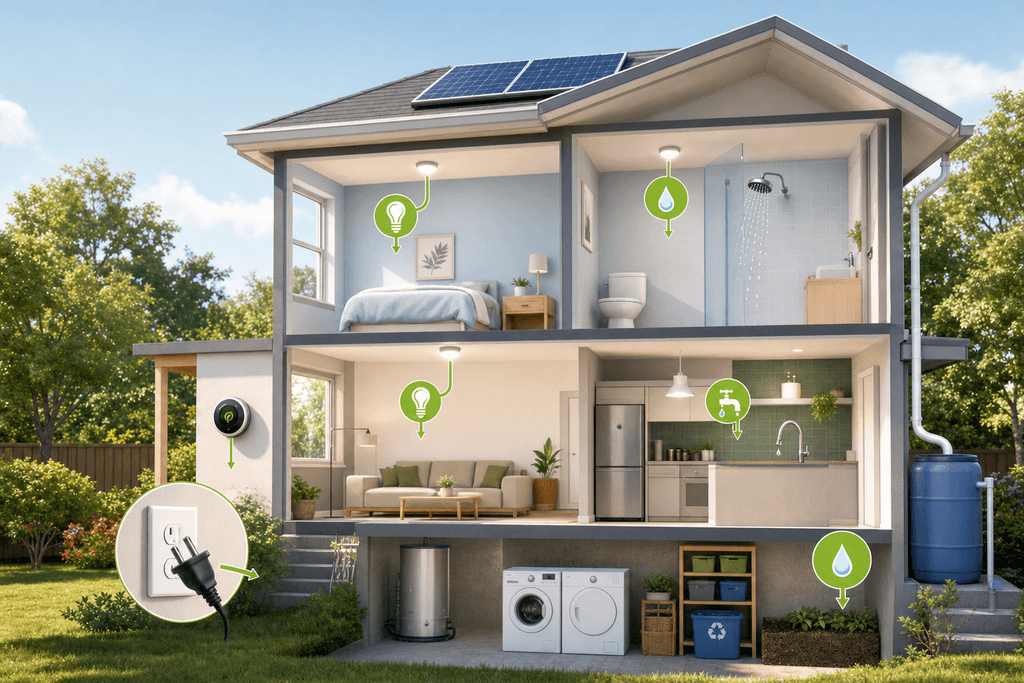
Most families waste about 30% of the energy they pay for each month, which adds up to hundreds of dollars thrown away every year. The good news is that cutting down on energy and water use doesn’t mean living in the dark or taking cold showers. Small changes in daily habits can make a real difference in both your utility bills and your environmental impact. When everyone in the family gets involved, these changes stick around for the long haul. Research shows that families who adopt sustainable habits together see better results than those who try to go it alone.
The thermostat is one of the easiest places to start. Adjusting your thermostat by just 7-10 degrees for 8 hours a day can save up to 10% on heating and cooling costs each year. That’s real money back in your pocket without any major lifestyle changes.
Simple Water Saving Habits
- Turn off the tap while brushing teeth – saves up to 8 gallons per day per person
- Take shorter showers – cutting just 2 minutes saves 10 gallons of water
- Run full loads in the dishwasher and washing machine
- Fix leaky faucets – one drip per second wastes 3,000 gallons yearly
- Keep a pitcher of water in the fridge instead of running the tap until it’s cold
Getting kids involved makes conservation feel less like a chore and more like a team effort. When children understand why they’re turning off lights or unplugging devices, they become the best enforcers in the house. PureHabitat Initiative’s educational programs help families track their progress with simple tools that show exactly how much energy and water they’re saving month to month.
Energy and Water Conservation at Home
Low Cost Upgrades That Pay Off
| Upgrade | Cost | Annual Savings |
|---|---|---|
| LED bulbs | $3-5 each | $75-100 |
| Low-flow showerhead | $15-30 | $70-90 |
| Smart power strips | $20-35 | $100-150 |
| Faucet aerators | $5-10 | $40-60 |
These upgrades pay for themselves within the first year, and they keep saving you money for years after that. The key is starting with one or two changes and building from there, rather than trying to overhaul everything at once.
Sustainable Food Choices for Busy Families
Sustainable Food Choices for Busy Families
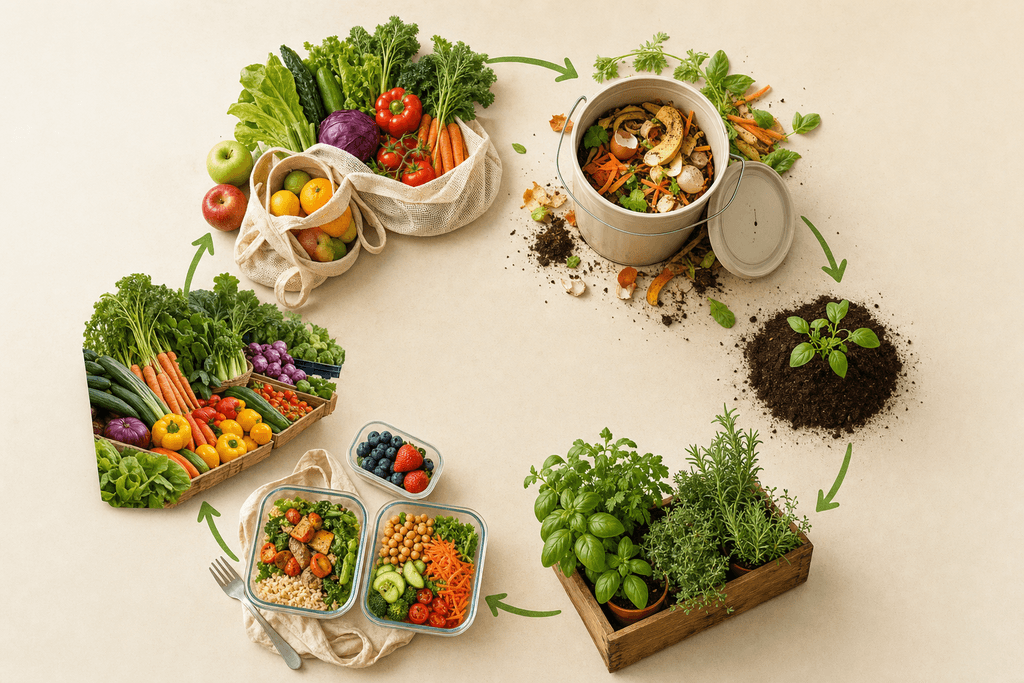
American families throw away about $1,500 worth of food every year, which is like tossing four grocery bags straight into the trash each week. Food waste isn’t just hard on your wallet. It’s one of the biggest contributors to greenhouse gases when all that wasted food ends up in landfills. But here’s something most people don’t realize: the same strategies that reduce food waste also make weeknight dinners way less stressful. Meal planning saves both money and the planet, and it means fewer last-minute takeout runs when you’re too tired to figure out dinner.
Planning meals for the week takes about 20 minutes on Sunday, but it saves hours of decision-making during busy weeknights. You buy only what you need, which means less food goes bad in the back of your fridge.
Food Waste Facts:
40% of food in the US goes uneaten | Families can save $1,500+ yearly by reducing waste | Composting diverts 30% of household trash from landfills
Buying local and seasonal produce does more than support nearby farmers. Food that travels less distance stays fresher longer, which means it lasts longer in your kitchen. Plus, seasonal fruits and vegetables usually cost less because they’re abundant. Your local farmers market becomes a weekend activity that teaches kids where their food actually comes from.
Getting Kids Involved With Food
- Start a small compost bin for fruit and vegetable scraps
- Let kids pick one new seasonal vegetable to try each week
- Visit a local farm or farmers market together
- Grow herbs on a windowsill – even apartments can do this
- Cook together so they understand the work that goes into meals
Studies on eco-friendly family routines show that children who participate in sustainable food practices carry these habits into adulthood. When kids help compost kitchen scraps or choose produce at the market, they develop a connection to their food that lasts a lifetime.
Simple Swaps for Less Packaging
Switching from individually packaged snacks to bulk bins cuts down on plastic waste dramatically. Reusable produce bags, glass storage containers, and cloth napkins replace single-use items without adding much effort to your routine. These small changes add up when you multiply them across three meals a day, seven days a week.
Reducing Waste and Choosing Eco Friendly Products
The average American creates about 4.5 pounds of trash every single day, which means a family of four generates over 6,000 pounds of waste each year. Most of that waste could be avoided with a few simple systems in place. The problem isn’t that people don’t care about reducing waste. It’s that sorting through conflicting information about what’s actually eco-friendly feels overwhelming. The 5 Rs give you a clear framework that takes the guesswork out of making sustainable choices. Once you understand this system, deciding what to buy and what to skip becomes almost automatic.
The 5 Rs work in order of priority: Refuse what you don’t need, Reduce what you do need, Reuse what you consume, Repurpose what you can’t reuse, and Recycle as a last resort. Most people jump straight to recycling, but the first two Rs have way more impact.
The 5 Rs in Action
- Refuse: Say no to freebies, promotional items, and single-use plastics you don’t need
- Reduce: Buy less stuff overall and choose quality items that last longer
- Reuse: Pick reusable versions of disposable items like water bottles and shopping bags
- Repurpose: Find new uses for items before throwing them away
- Recycle: Only after you’ve tried the other four options
Switching to reusable alternatives sounds expensive at first, but the math works out fast. A reusable water bottle costs about $20 and replaces hundreds of plastic bottles over its lifetime. The same goes for cloth shopping bags, metal straws, and glass food containers.
Spotting Truly Eco Friendly Products
Not every product labeled “eco-friendly” or “natural” actually lives up to the hype. Some companies use vague green marketing without making real changes. Look for specific certifications like Energy Star, USDA Organic, or Fair Trade rather than trusting general claims. Products with minimal packaging, made from recycled materials, or designed to be refillable are usually the real deal.
PureHabitat Initiative’s resource sharing program connects families with verified sustainable products that meet strict environmental standards. This takes the guesswork out of shopping and ensures you’re getting items that actually make a difference.
Family Waste Sorting Checklist
- Set up clearly labeled bins for trash, recycling, and compost
- Post a simple guide showing what goes in each bin
- Make it accessible so kids can reach and use the system
- Start a “fix it” box for items that need repair instead of replacement
- Create a donation station for outgrown clothes and unused items
- Review what you’re throwing away each week to spot patterns
When the whole family understands the system, waste sorting becomes automatic. Kids often become the most enthusiastic participants once they grasp why it matters. Sustainable living tips for families work best when they’re built into daily routines rather than treated as special occasions. The goal is making these practices so normal that you don’t even think about them anymore.
Wrap-up
The best part about family sustainability is that you don’t need to change everything at once. Pick one or two things from this list that feel doable for your household and start there. Maybe it’s switching to reusable water bottles or starting a small compost bin. Once those become normal habits, you can add more changes without feeling overwhelmed.
Getting your kids involved makes a huge difference too. When children help decide which sustainability tips to try or track how much waste the family reduces each week, they’re more likely to stick with it. Plus, they often come up with creative ideas adults might miss.
Tracking your progress as a family keeps everyone motivated. You might notice your trash bags getting lighter or your energy bills going down. These small wins add up over time and show that sustainable living actually works in real life, not just in theory.
The thing is, you don’t have to figure this all out alone. Organizations like PureHabitat Initiative offer resources and educational programs that help families learn what works best for their specific situation. Sometimes having access to the right information and community support makes the difference between giving up after a week and building habits that last for years.
You probably still have questions about how to make some of these tips work for your specific family situation. That’s completely normal, and we’ve got answers coming up next.
Common Questions About Family Sustainability
Starting a sustainability journey with your family brings up a lot of practical questions. Most families wonder about the same things when they first consider making changes, from budget concerns to getting everyone on board. Here are the answers to the most common questions we hear from families just like yours.
How much money can sustainable living actually save?
Most families save between $100 to $300 per month once they get into the rhythm of sustainable living. The biggest savings come from reducing energy bills, cutting food waste, and buying less stuff overall. Some families report saving even more when they focus on areas like water conservation and switching to reusable products instead of disposables.
What’s the easiest way to start for busy families?
Pick just one room or one habit to change first. The kitchen is usually the best starting point because small swaps like reusable containers and cloth napkins make an immediate difference. PureHabitat Initiative offers resource sharing programs that give families access to starter kits and practical tools without the overwhelm of figuring everything out alone. You don’t need to overhaul your entire life in one weekend.
How do you get kids excited about sustainability?
Turn it into something they can see and measure. Kids love tracking things like how many plastic bottles they’ve avoided or watching a compost bin turn scraps into soil. Give them age-appropriate jobs like being the “light monitor” or helping sort recycling, and let them pick out their own reusable water bottles in colors they love. When they feel ownership over the process, they become your biggest advocates.
Are eco-friendly products really better?
The good ones are, but you have to watch out for greenwashing. Truly sustainable products reduce waste, last longer, and contain fewer harmful chemicals that affect your family’s health. Look for third-party certifications and read ingredient lists just like you would with food. Many organizations, including PureHabitat Initiative, vet products and share educational resources to help families make informed choices without spending hours researching.
What if my family resists changes?
Start with changes that make life easier, not harder. Nobody wants more work added to their plate. Focus on sustainability tips that actually improve daily life, like meal planning that reduces dinner stress or switching to products that work better than what you’re currently using. When your family sees benefits beyond just “being green,” resistance drops fast. Community support also helps, which is why programs focused on community empowerment make such a difference in keeping families motivated long-term.