Every time you toss a plastic bag or throw away leftovers, you’re adding to the 4.5 pounds of trash the average American household creates each day. The good news is that small, simple changes around your green home can reduce waste by nearly half without turning your life upside down. Most of these fixes actually save you money while protecting the planet, and organizations like PureHabitat Initiative help communities discover which changes work best for their specific needs.
Table of Contents
Understanding Your Home’s Waste Problem
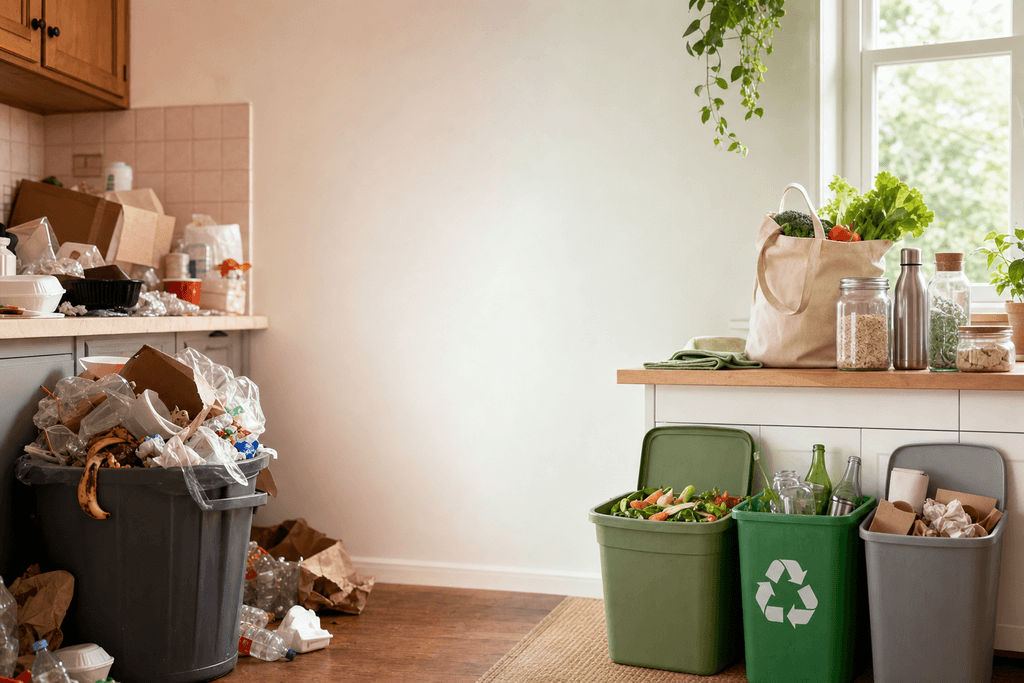
The average American household produces about 4.5 pounds of trash every single day, which adds up to over 1,600 pounds per year. Most people don’t realize how much waste they create until they start paying attention to what goes in their trash cans. Your home is probably generating way more garbage than you think, and a lot of it comes from places you wouldn’t expect. The good news is that once you understand where all this waste comes from, you can start making simple changes that really add up.
Where Household Waste Comes From
Different rooms in your house create different types of waste, and some are bigger problems than others. The kitchen is usually the worst offender, but bathrooms, laundry rooms, and even home offices contribute their fair share. Here’s what research shows about typical household waste sources:
| Waste Source | Percentage of Total |
|---|---|
| Kitchen and food waste | 30-40% |
| Packaging and plastics | 25-30% |
| Paper products | 15-20% |
| Bathroom products | 10-15% |
| Other household items | 10-15% |
Kitchen waste accounts for the biggest chunk because we buy food with lots of packaging, throw away leftovers, and use disposable items for cooking and eating. Single-use plastics like bags, wrap, and containers show up in almost every room of the house and take hundreds of years to break down in landfills.
The Hidden Waste You Don’t See
Not all waste ends up in your trash can, which makes it easy to ignore. Water waste is a perfect example because it just goes down the drain and disappears from sight. According to research on household sustainability practices, many families waste thousands of gallons of water each year without realizing it.
Here are some common sources of hidden waste in homes:
- Leaky faucets that drip constantly throughout the day and night
- Running toilets that waste gallons between flushes
- Energy loss from poor insulation and old appliances
- Food that spoils before you eat it because of poor storage
Why Traditional Homes Create So Much Trash
Most homes weren’t designed with waste reduction in mind, so they naturally create more garbage than necessary. Modern life makes it worse because we’re used to convenience items that get thrown away after one use. The way grocery stores package everything in plastic doesn’t help either.
The biggest waste creators in traditional homes include:
- Disposable cleaning products like paper towels and wipes
- Single-serving food packages and snack wrappers
- Plastic water bottles instead of reusable containers
- Old appliances that use too much energy and water
- Lack of composting systems for organic waste
At PureHabitat Initiative, we help communities identify these waste sources and make practical changes that actually work. The truth is that most household waste is completely preventable once you know what to look for and have simple solutions in place. Small fixes in your green home can reduce waste dramatically without requiring major renovations or expensive upgrades.
Kitchen Fixes That Cut Food and Packaging Waste
The average American household throws away about 30% of the food they buy, which adds up to roughly $1,800 per year just tossed in the trash. Your kitchen is probably the biggest waste producer in your home, but it’s also where you can make the most impact with just a few simple changes. Most of these fixes don’t require buying anything new or spending much money. They’re about changing habits and setting up better systems that work with your daily routine instead of against it.
The first step is dealing with food scraps. Starting a compost bin diverts 25-30% of your household trash from landfills and turns it into something useful for gardens or houseplants. You don’t need a fancy setup or even a backyard. A small countertop bin works fine for collecting scraps, and many communities now offer compost pickup services.
- Replace plastic wrap and bags with reusable silicone covers, beeswax wraps, or glass containers
- Buy in bulk when possible and bring your own containers to reduce packaging waste
- Switch to cloth napkins and towels instead of paper products that you use once and throw away
- Learn proper food storage techniques to keep produce fresh longer and prevent spoilage
Smart shopping habits matter just as much as what you do at home. When you choose products with minimal packaging or buy from bulk bins, you’re cutting waste before it even enters your house. The Nature Conservancy outlines several practical approaches that align with these kitchen-focused strategies.
Quick-Start Kitchen Checklist
- Set up a small compost container on your counter
- Replace three most-used plastic containers with glass or stainless steel
- Buy one set of reusable produce bags for grocery shopping
- Switch paper towels to cloth rags for one week as a trial
- Check your fridge temperature (should be 37-40°F to keep food fresh longer)
Bathroom Swaps That Eliminate Single-Use Products
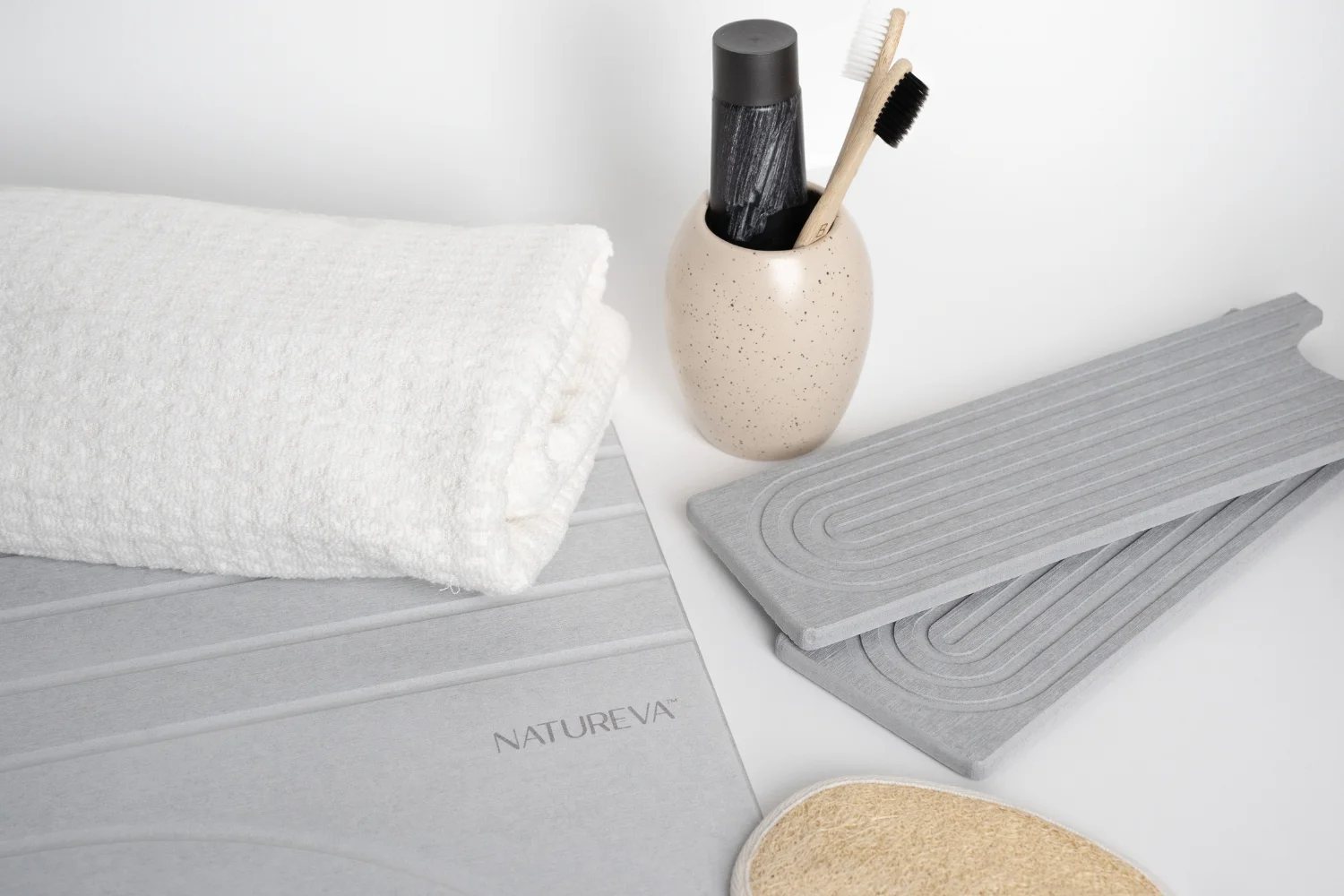
Bathrooms generate mountains of plastic waste that most people don’t even think about. Those disposable cotton pads, plastic bottles, and single-use razors add up fast. The good news is that bathroom swaps are usually the easiest changes to make because once you buy the reusable version, you’re done. You don’t have to change your routine, just the products you use.
Water waste is another hidden problem in bathrooms. A leaky faucet might not seem like a big deal, but it can waste thousands of gallons every year. Installing low-flow fixtures reduces water waste by 30-50% without making your showers feel weak or unsatisfying.
- Washable cloth rounds replace disposable cotton pads and last for years
- Bar soap and shampoo bars eliminate plastic bottles completely
- Bamboo toothbrushes break down naturally instead of sitting in landfills for centuries
- Reusable safety razors cost more upfront but save money long-term and create less waste
- Refillable containers for products you can buy in bulk
That dripping faucet you’ve been ignoring might be costing you more than you think. Even a slow drip wastes about 3,000 gallons per year, which is enough water for 180 showers.
Bathroom Waste Reduction Stats
| Change | Annual Savings |
|---|---|
| Low-flow showerhead | 2,900 gallons water |
| Fix leaky faucet | 3,000 gallons water |
| Reusable cotton rounds | 730 disposable pads |
| Bar soap vs bottles | 6-8 plastic bottles |
Quick Fixes for Energy and Water Waste
Most homes leak energy and water in ways you can’t see but definitely pay for on your utility bills. The Environmental Protection Agency estimates that the average home wastes about 10,000 gallons of water every year from easy-to-fix leaks. A running toilet alone can waste up to 200 gallons daily, which is like flushing money down the drain. These aren’t complicated problems that need expensive contractors. Most of these fixes take less than an hour and cost under $50.
Air leaks around windows and doors are another major source of waste. When your heated or cooled air escapes through gaps, your HVAC system works harder and uses more energy to maintain the temperature you want.
- Seal air leaks with weatherstripping or caulk to stop energy waste
- Replace old incandescent bulbs with LEDs that last 25 times longer
- Use smart power strips to eliminate phantom energy drain from devices on standby
- Insulate your water heater and exposed pipes to reduce heat loss
- Clean HVAC filters monthly for better efficiency and air quality
Research on sustainable home solutions shows that these small maintenance tasks create measurable improvements in resource consumption. The key is making them part of your regular routine instead of waiting until something breaks.
Monthly Home Maintenance Checklist
- Check all faucets and toilets for leaks
- Replace or clean HVAC filters
- Test smoke and carbon monoxide detectors
- Inspect weatherstripping around doors and windows
- Clean refrigerator coils for better efficiency
- Check water heater temperature (120°F is ideal)
Creating Reuse Systems Throughout Your Home
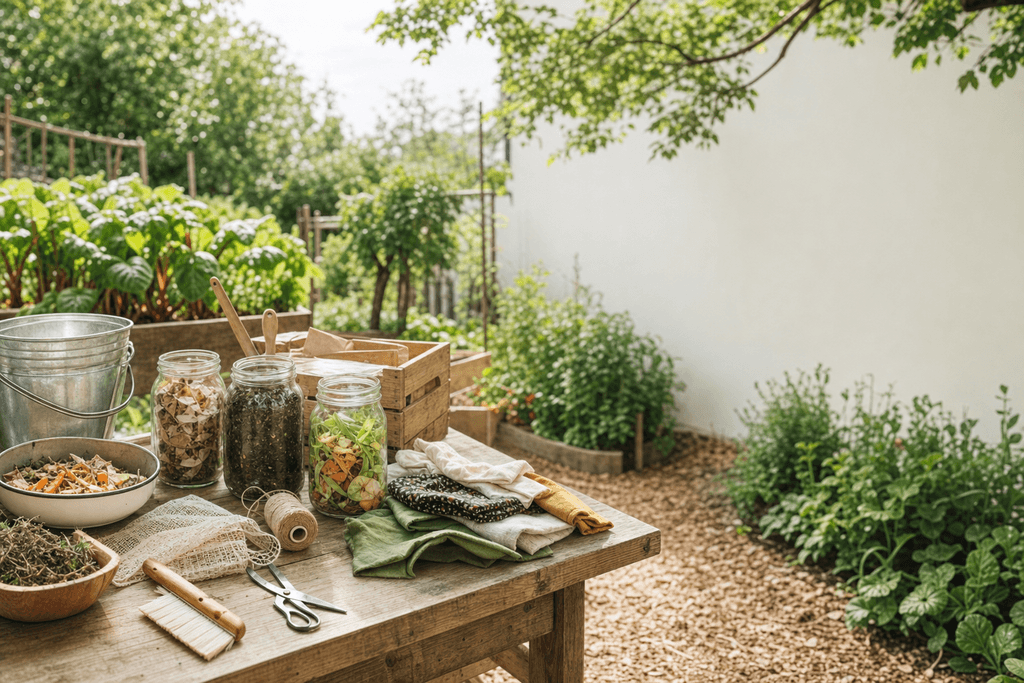
The best way to reduce waste is to stop creating it in the first place. That means keeping items in use longer, fixing things instead of replacing them, and finding new purposes for materials you already have. Setting up simple reuse systems makes this automatic instead of something you have to think about every time. Most people don’t lack the desire to waste less, they just don’t have easy systems in place to make it happen. Once you create designated spaces and routines, the whole household can participate without much effort.
Start by designating specific containers or areas for different types of items. One bin for things to donate, another for items that need repair, and a third for materials you can repurpose. This prevents the “I’ll deal with it later” pile that usually ends up in the trash.
- Create a scrap material station with fabric scraps, jars, boxes, and other materials for projects
- Build a household repair kit with basic tools and supplies for quick fixes
- Establish maintenance routines for cleaning and caring for items so they last longer
- Use resource sharing programs to access tools and equipment without buying new
- Join community swap groups for items you only need occasionally
PureHabitat Initiative’s resource sharing programs help communities access tools and materials without everyone needing to own everything. This approach reduces waste while building stronger neighborhood connections. When you can borrow a ladder or power drill from a community tool library, you save money and storage space while keeping more stuff out of landfills.
Real Family Success Stories
The Martinez Family (Houston, TX)
Set up a repair station in their garage and reduced their annual trash by 40%. They now fix small appliances and furniture instead of replacing them.
The Chen Household (Portland, OR)
Created a material reuse system with labeled bins. Their kids now automatically sort items for donation, repair, or craft projects without being asked.
The Johnson Home (Denver, CO)
Started using community tool sharing and eliminated the need to buy 12 different tools they would have used only once or twice.
These changes don’t require a complete lifestyle overhaul. They’re small adjustments that add up to significant waste reduction over time. The families who succeed are the ones who start with one or two changes and build from there.
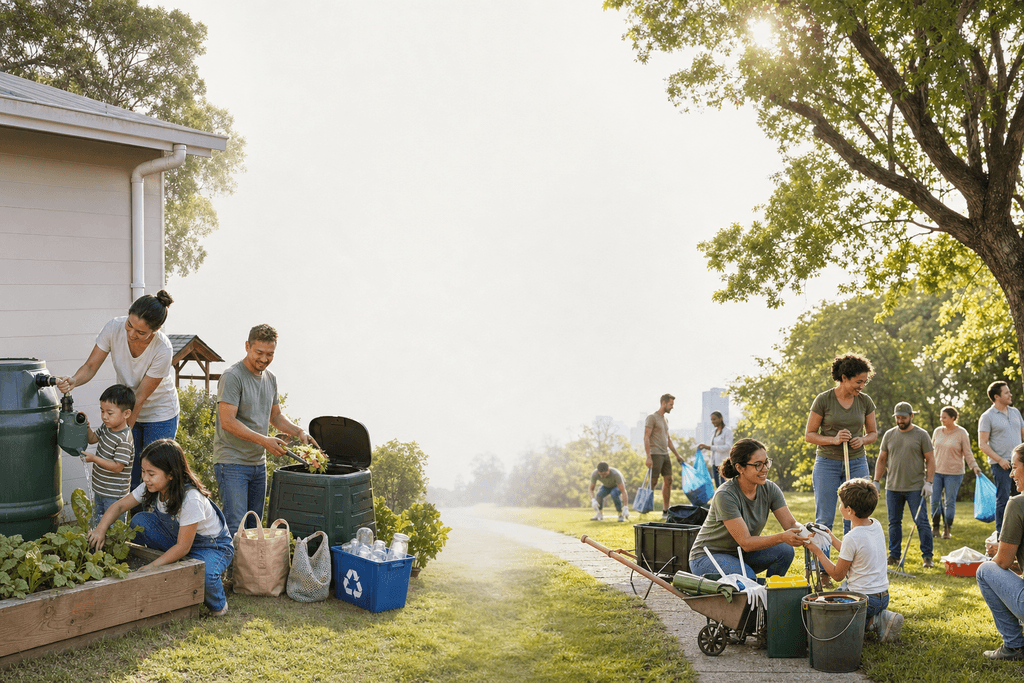
The Real Impact of Small Green Home Fixes
Most people think one person switching to reusable bags or composting food scraps won’t make a real difference. But when you look at the actual numbers, the story changes completely. A single household implementing just five to seven small green home fixes can reduce their total waste output by 50 to 70 percent within the first year. That’s not a small change, and it’s definitely not insignificant when you consider what happens when entire neighborhoods start doing the same thing.
Households combining 5-7 small fixes reduce waste by 50-70%
The financial side of waste reduction often surprises people even more than the environmental benefits. When families cut down on single-use products, reduce food waste, and make smarter purchasing decisions, they save between $500 and $1,200 every year on average. That money stays in their pockets instead of going toward trash bags, replacement items, and products they end up throwing away.
- Lower monthly expenses on disposable products and packaging
- Reduced utility bills from energy-efficient fixes
- Less money spent replacing items that break or wear out quickly
- Fewer trips to the store means savings on gas and impulse purchases
Average annual savings of $500-1,200 per household through waste reduction
How Individual Actions Scale Up
The real power shows up when you zoom out from individual homes to entire communities. When a neighborhood of 100 homes each cuts their waste in half, that’s not just 100 separate victories. It creates visible changes in local landfill contributions, reduces the strain on municipal waste systems, and often inspires nearby communities to follow suit.
- Community-wide adoption leads to measurable reductions in local landfill usage
- Shared resources and knowledge make green home fixes easier for everyone
- Collective action puts pressure on local businesses to offer more sustainable options
PureHabitat Initiative’s community empowerment programs work specifically on this scaling effect. When people make changes together rather than alone, they stick with new habits longer and go deeper into sustainable living practices. Small changes build the confidence and knowledge base that lead to bigger sustainability commitments down the road.
Community-wide adoption creates 3-5x greater environmental impact than isolated individual efforts
The Habit Building Advantage
Starting with manageable fixes creates a psychological advantage that many sustainability programs overlook. When someone successfully switches to reusable containers or starts composting, they prove to themselves that change is possible. That first success makes the next green home improvement feel less intimidating.
- Initial small wins build confidence in ability to reduce waste
- Visible results motivate continuation and expansion of efforts
- Habits formed through easy changes transfer to more complex sustainability practices
- Community support reinforces new behaviors and prevents backsliding
The data shows that households starting with three or more small fixes are 60 percent more likely to adopt larger sustainability measures within two years. They move from switching light bulbs to installing solar panels, or from composting to growing their own food. The entry point matters less than the momentum it creates.
Your Green Home Journey Starts Today
Making your green home more waste-free doesn’t mean you need to change everything at once. Pick one or two fixes from this list that feel the easiest for you right now. Maybe it’s switching to reusable containers or fixing that leaky faucet you’ve been ignoring. Once those become habits, you can add more changes over time.
Tracking your progress helps more than you might think. Write down how many trash bags you fill each week or how much your water bill drops after fixing leaks. Seeing real numbers keeps you motivated when the changes feel small.
The thing about these small fixes is they work better when more people do them. PureHabitat Initiative offers free resources and community support to help you stay on track and connect with others making similar changes. Sometimes just knowing other families in your area are doing the same things makes it easier to stick with new habits.
One person switching to cloth napkins might not seem like much. But when a whole neighborhood does it, that’s thousands of paper napkins staying out of landfills every month. The math adds up faster than most people realize.
Every fix you make matters, whether it’s big or small. Your green home choices reduce waste and create a healthier planet for everyone. The best part is you already know enough to start today.
Common Questions About Green Home Fixes
Making your home more eco-friendly doesn’t have to be complicated or expensive. Most people have similar questions when they’re just getting started with waste reduction, and the answers are usually simpler than you’d think. Whether you’re worried about costs, wondering where to begin, or trying to figure out what’s possible as a renter, these common concerns come up again and again. The good news is that small green home fixes are more accessible than ever, and you don’t need to overhaul your entire life to make a real difference.
How much do green home fixes cost to implement?
Most basic green home fixes cost between zero and fifty dollars to start. Switching to reusable containers, fixing leaky faucets, and starting a compost bin are all low-cost or free options that reduce waste immediately. Some changes like LED bulbs have an upfront cost but pay for themselves within months through lower energy bills.
Which fix should I start with first?
Start with whatever waste problem bothers you most in your daily routine. If you’re constantly throwing away plastic bags, begin with reusable shopping bags. If your trash can fills up with food scraps, try composting. The best first step is the one you’ll actually stick with, so pick something that fits naturally into your current habits.
How long before I see results from these changes?
You’ll notice less trash going to the curb within the first week of implementing even one or two fixes. Most people see their household waste drop by about 25-40% within the first month. The environmental impact builds over time, but the personal satisfaction of producing less waste happens almost immediately.
Can renters make these fixes without landlord permission?
Yes, most waste-reducing fixes don’t require any permanent changes to your rental. Switching to reusable products, composting in a small bin, using natural cleaners, and fixing minor leaks with landlord approval are all renter-friendly. You can take these habits with you when you move, making them perfect for temporary living situations.
Where can I find affordable eco-friendly products?
Many eco-friendly swaps are available at regular grocery stores and discount retailers now. Thrift stores often have glass containers and reusable items for pennies. PureHabitat Initiative also helps communities access sustainable products through resource sharing programs, making it easier to find what you need without breaking the bank.
How does PureHabitat Initiative help with implementation?
PureHabitat Initiative offers hands-on support through educational workshops and community programs that teach practical skills for reducing waste at home. Their resource sharing network connects you with tools and materials you need to get started. They work directly with communities to make sustainable living accessible, providing guidance that goes beyond just telling you what to do and actually showing you how to do it in your specific situation.