The air inside your home could be making you sick without you even knowing it. Studies show that indoor air can be 2-5 times more polluted than outdoor air, mostly because of everyday products we use and trust. The good news is that creating a non toxic home doesn’t require a complete overhaul, just a few smart swaps that support sustainable living while protecting your family’s health.
Table of Contents
- The Hidden Toxins in Your Home
- Swap 1: Ditch Chemical Cleaners for Natural Alternatives
- Swap 2: Replace Plastic Kitchen Items with Sustainable Options
- Swap 3: Choose Non Toxic Personal Care Products
- Swap 4: Improve Indoor Air Quality Naturally
- Swap 5: Switch to Organic and Natural Textiles
- Your Journey to a Healthier Home Starts Now
- Common Questions About Non Toxic Home Swaps
Swap 1: Ditch Chemical Cleaners for Natural Alternatives
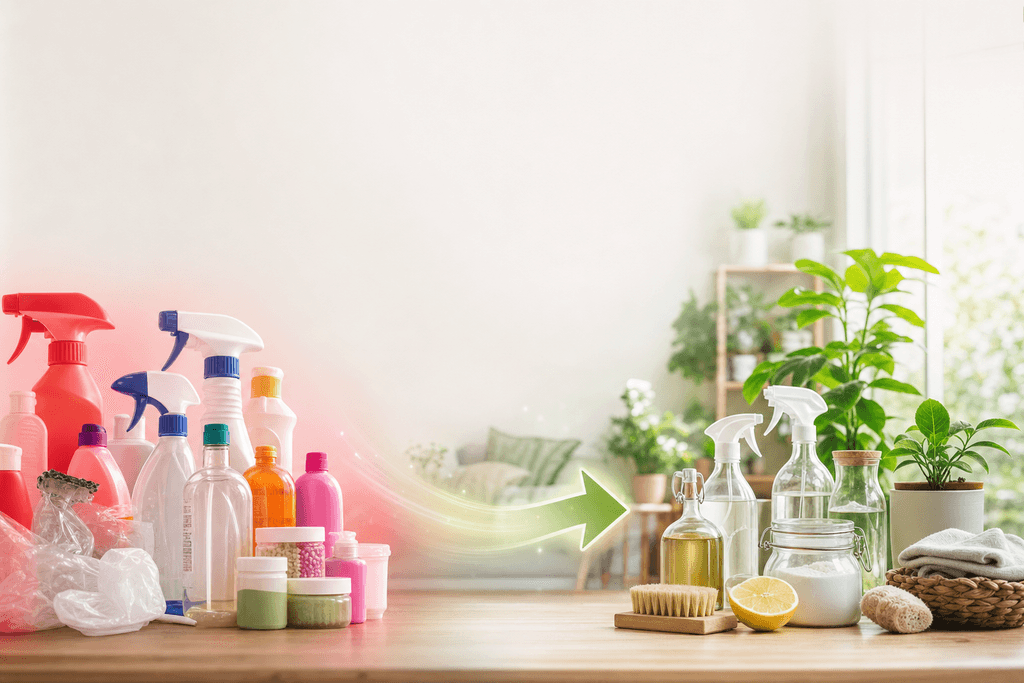
Most people don’t realize that the average household contains about 62 toxic chemicals, and many of them are hiding in your cleaning supplies. Those fresh-smelling sprays and powerful scrubs often contain bleach, ammonia, and phthalates that can trigger asthma, disrupt hormones, and irritate your skin. The worst part is that you’re breathing these chemicals in every time you clean, and they linger on surfaces long after you’ve wiped them down. But here’s something most cleaning product companies won’t tell you: natural alternatives work just as well, and sometimes even better.
Swap 1: Ditch Chemical Cleaners for Natural Alternatives
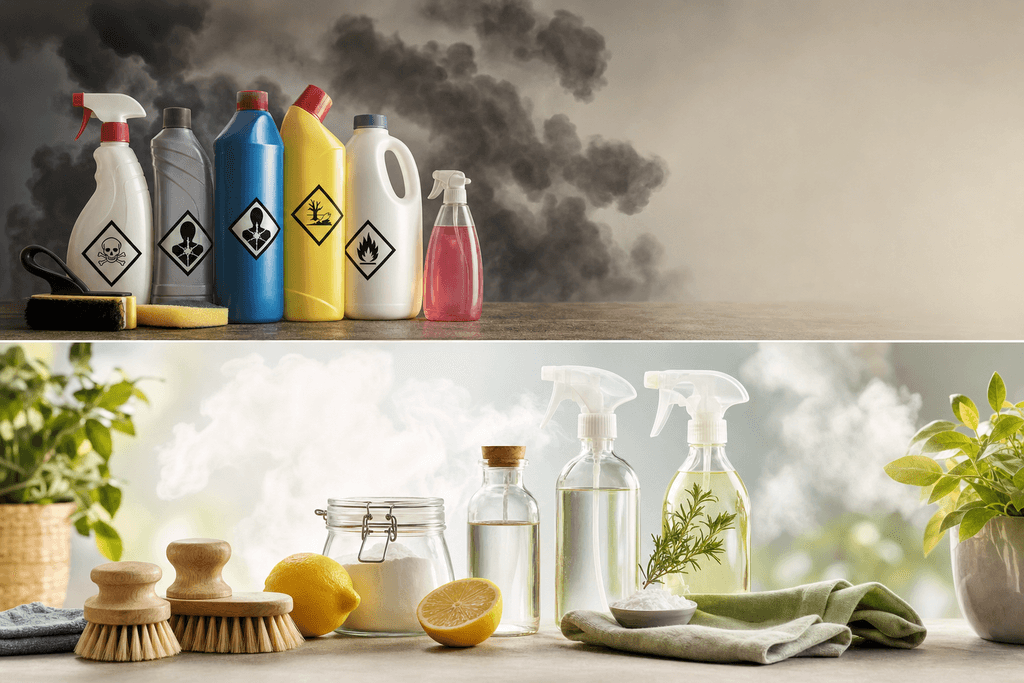
You don’t need a chemistry degree to make effective cleaners at home. A simple mix of white vinegar and water cuts through grease and grime on most surfaces. Baking soda works as a gentle scrub for tougher stains. Add a few drops of essential oils like tea tree or lemon, and you’ve got a cleaner that actually smells good without synthetic fragrances.
| Toxic Ingredient | Found In | Natural Alternative |
|---|---|---|
| Bleach | Bathroom cleaners | Hydrogen peroxide |
| Ammonia | Glass cleaners | Vinegar solution |
| Phthalates | Scented products | Essential oils |
| Triclosan | Antibacterial soaps | Castile soap |
If DIY isn’t your thing, plenty of ready-made options exist that won’t break the bank. The real surprise comes when you compare costs: a gallon of vinegar costs about $3 and can replace multiple cleaning products that would cost you $30 or more. PureHabitat Initiative provides resources and educational workshops that teach communities how to make these swaps practical and affordable, because sustainable living shouldn’t be a luxury.
Swap 2: Replace Plastic Kitchen Items with Sustainable Options
Your plastic food containers might be convenient, but they’re also leaching chemicals into your food every single day. BPA and other plasticizers can disrupt your endocrine system, affecting everything from metabolism to mood. When you heat plastic in the microwave or store acidic foods in plastic containers, the chemical transfer speeds up. Most people use plastic without thinking twice, but the health risks add up over time.
Swap 2: Replace Plastic Kitchen Items with Sustainable Options
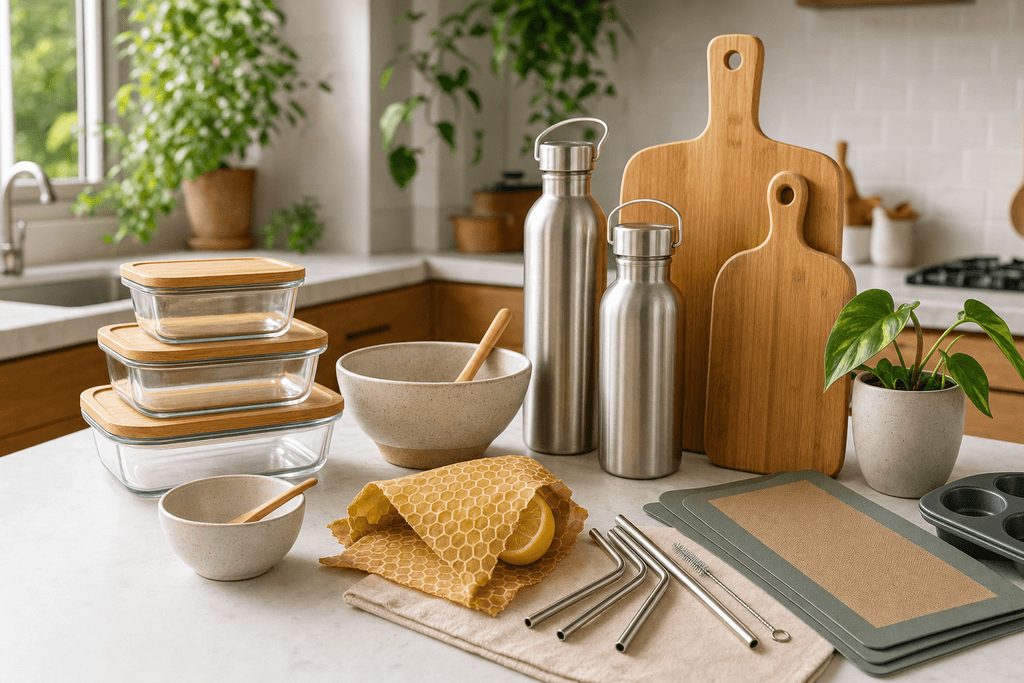
The good news is that better options exist and they last way longer than plastic ever could. Glass containers, stainless steel bottles, and silicone storage bags don’t leach chemicals and can handle both hot and cold temperatures. Beeswax wraps replace plastic wrap for covering bowls and wrapping sandwiches.
- Replace plastic food storage with glass containers (they’re microwave and dishwasher safe)
- Swap plastic water bottles for stainless steel (keeps drinks cold for 24 hours)
- Use wooden or stainless steel cooking utensils instead of plastic spatulas
- Try silicone baking mats instead of disposable parchment paper
- Switch to beeswax wraps for food storage
Yes, these alternatives cost more upfront, but they pay for themselves quickly. A quality glass container set might run you $40, but it’ll last for decades instead of cracking and staining after a few months like plastic does. Plus, you’re keeping hundreds of pounds of plastic out of landfills over your lifetime. That’s the kind of impact that matters when we’re talking about sustainable living.
Swap 3: Choose Non Toxic Personal Care Products
The average person applies over 100 chemicals to their skin before leaving the house each morning, and most of them haven’t been tested for long-term safety. Your skin absorbs up to 60% of what you put on it, which means those parabens, sulfates, and synthetic fragrances in your shampoo and lotion are going straight into your bloodstream. The cosmetics industry isn’t heavily regulated, so companies can use thousands of chemicals without proving they’re safe first. What you put on your body matters just as much as what you put in it.
Learning to read labels is your first line of defense. Look for products with short ingredient lists where you can actually pronounce most of the words. This comprehensive guide breaks down which ingredients to avoid and what to look for instead.
| Toxic Ingredient | Health Concern | Natural Alternative |
|---|---|---|
| Parabens | Hormone disruption | Phenoxyethanol |
| Sulfates | Skin irritation | Coconut-based cleansers |
| Synthetic fragrance | Allergies, headaches | Essential oils |
| Phthalates | Reproductive issues | Natural preservatives |
Simple swaps make a big difference: castile soap works for body wash, coconut oil doubles as moisturizer, and baking soda makes an effective deodorant. Your skin will thank you, and so will your hormone balance. Through our educational programs at PureHabitat Initiative, we help communities understand these connections and find clean products that actually work.
Swap 4: Improve Indoor Air Quality Naturally
Indoor air can be up to five times more polluted than outdoor air, even in major cities. Most homes are filled with volatile organic compounds (VOCs) from furniture, paint, and cleaning products that off-gas for years after you bring them home. Those plug-in air fresheners and scented candles you’re using to mask odors are actually making things worse by adding synthetic fragrances and chemicals to the air you breathe. Your home should be your safe space, but for many people, it’s the most toxic environment they encounter all day.
Plants aren’t just decoration, they’re natural air purifiers that actually remove toxins from your home. NASA studied this back in the 1980s and found that certain plants can filter out formaldehyde, benzene, and other nasty chemicals. Spider plants, pothos, and snake plants are nearly impossible to kill and work around the clock to clean your air.
- Open windows for 10 minutes daily (even in winter) to flush out stale air
- Add 2-3 air-purifying plants per room
- Replace synthetic candles with beeswax or soy versions
- Use essential oil diffusers instead of plug-in air fresheners
- Run exhaust fans when cooking to remove pollutants
Better ventilation costs nothing and makes an immediate difference. PureHabitat Initiative educates communities about these simple changes through workshops and resource sharing, because everyone deserves to breathe clean air in their own home. Health experts agree that improving indoor air quality is one of the fastest ways to boost your overall wellbeing.
Swap 5: Switch to Organic and Natural Textiles
You spend about a third of your life in bed, and if your sheets aren’t organic, you’re sleeping in a cocktail of chemicals every single night. Conventional cotton is one of the most pesticide-heavy crops on the planet, and those chemicals don’t wash out completely during processing. Then manufacturers add flame retardants, formaldehyde, and synthetic dyes to make fabrics wrinkle-free and colorfast. Your skin is in constant contact with these textiles for hours at a time, absorbing whatever chemicals they contain.
Natural textiles feel better and perform better than their synthetic counterparts. Organic cotton, linen, and hemp are breathable, durable, and free from the chemical treatments that cause skin irritation and allergic reactions. Bamboo fabric is naturally antimicrobial and softer than regular cotton.
| Material | Best For | Key Benefit |
|---|---|---|
| Organic cotton | Bedding, towels | Soft, breathable |
| Linen | Summer sheets | Temperature regulating |
| Hemp | Durable items | Gets softer over time |
| Bamboo | Sensitive skin | Naturally antimicrobial |
Start with the textiles you use most: your sheets, pillowcases, and towels. People who make the switch often report better sleep quality and fewer skin issues within weeks. Yes, organic textiles cost more initially, but they last longer and don’t need replacing as often. When you choose natural textiles, you’re also supporting sustainable farming practices that don’t dump pesticides into soil and water. That’s the kind of ripple effect that makes sustainable living meaningful beyond just your own home.
Your Journey to a Healthier Home Starts Now
Making the switch to a non toxic home doesn’t have to happen all at once. We’ve covered five simple swaps that can make a real difference in your daily life, from switching out cleaning products to choosing safer cookware, replacing plastic storage with glass, upgrading to natural personal care items, and bringing in air-purifying plants. Each of these changes might seem small on its own, but together they add up to something much bigger for your health and the planet.
The best part is you don’t need to do everything tomorrow. Pick one swap that feels easiest for you and start there. Maybe it’s grabbing a few glass containers next time you’re at the store, or maybe it’s trying out a homemade cleaner recipe this weekend.
Over time, these choices save you money because many sustainable living options last longer and work better than their toxic alternatives. Your body gets fewer chemicals to deal with, your home becomes safer for kids and pets, and you’re doing your part for the environment without making it complicated.
At PureHabitat Initiative, we help people make these transitions through resource sharing and environmental education programs that break down the process into manageable steps. We’ve seen countless families transform their homes one swap at a time, and the results speak for themselves in terms of improved health and reduced environmental impact.
You probably have questions about where to start or which products are actually safe. That’s completely normal, and we’ve got answers coming up that might help clear things up.
Common Questions About Non Toxic Home Swaps
Making the switch to a non toxic home can feel overwhelming at first, especially when you’re not sure where to start or what to believe. These questions come up all the time from people who want to create healthier spaces for their families but need some practical guidance. Here are the answers that’ll help you move forward with confidence.
Are natural products really as effective as chemical ones?
Yes, natural products work just as well for most household tasks, though they might work a bit differently than what you’re used to. Vinegar and baking soda can clean almost anything in your home without the harsh fumes or residue that chemical cleaners leave behind. The key is understanding that natural solutions often require a little more time or elbow grease, but they get the job done without exposing your family to harmful toxins.
How much does it cost to make these swaps?
Most sustainable living swaps actually save you money in the long run because natural ingredients like vinegar, castile soap, and baking soda cost less than brand-name chemical products. You can start with just a few dollars and make several cleaning solutions that’ll last for months. PureHabitat Initiative offers resource sharing programs that help communities access eco-friendly products at lower costs, making the transition even more affordable.
Where can I find non toxic alternatives?
You can find most non toxic alternatives at regular grocery stores, health food stores, or online retailers that specialize in sustainable products. Basic ingredients like vinegar, lemon juice, and essential oils are available almost everywhere. Organizations focused on sustainable living often provide guides and resources to help you identify trustworthy brands and products that meet safety standards.
Can I make these changes gradually?
Absolutely, and that’s actually the best approach for most families. Start by replacing one product at a time as you run out of your current supplies, which prevents waste and spreads out any costs. Making gradual changes helps you find what works best for your household without feeling pressured or overwhelmed by a complete overhaul all at once.
How do I know if a product is truly non toxic?
Look for products with clear ingredient lists that you can actually read and understand, avoiding anything with long chemical names you can’t pronounce. Third-party certifications like EPA Safer Choice, USDA Organic, or EWG Verified can help you identify genuinely safe products. When in doubt, stick with simple, single-ingredient solutions like plain vinegar or castile soap that have been used safely for generations.
What’s the biggest health benefit of these swaps?
The biggest benefit is reducing your family’s exposure to endocrine disruptors and respiratory irritants found in conventional cleaning products and personal care items. These chemicals have been linked to everything from asthma and allergies to hormone disruption and developmental issues in children. By switching to a non toxic home, you’re creating an environment where your family can breathe easier and develop fewer sensitivities over time.