Every year, the average household makes over 300 purchases that directly impact the planet, from cleaning supplies to furniture. Most people don’t realize that switching to ethical shopping habits can transform any space into an eco friendly home without major lifestyle changes. The three simple rules we’re sharing today make sustainable shopping practical and easy, and organizations like PureHabitat Initiative help communities adopt these practices through education and resource sharing.
Table of Contents
The Real Cost of Conventional Shopping
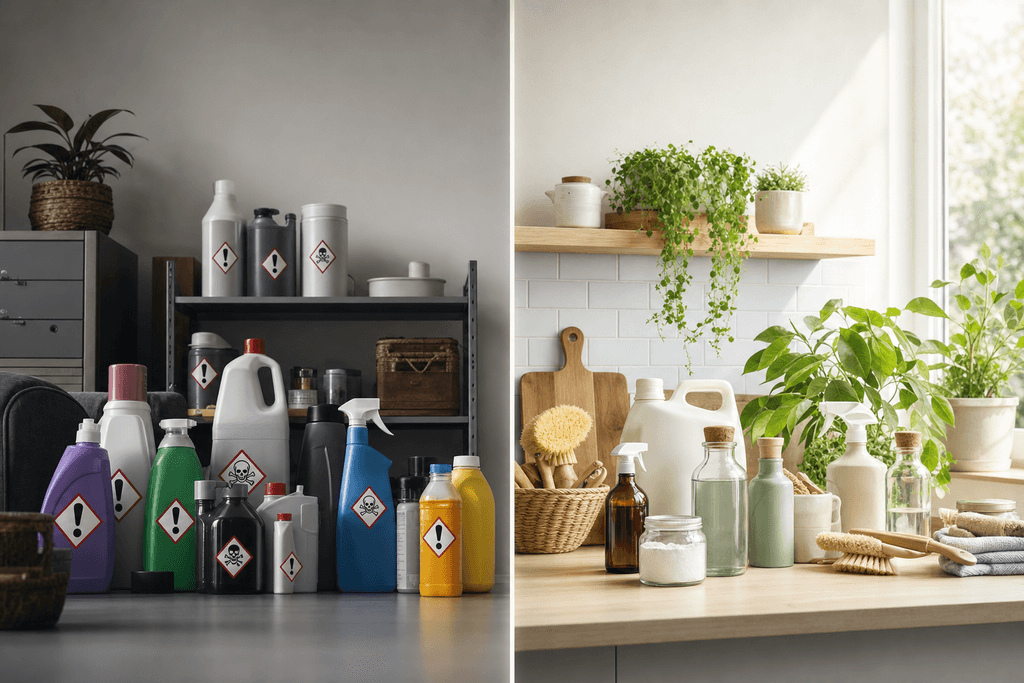
Most people don’t realize that the average home contains over 60 different chemicals that can harm their family’s health. Every time you buy a conventional cleaning product, piece of furniture, or household item, you’re bringing these toxins into your living space. The products we use every day affect our indoor air quality, and many contain ingredients linked to headaches, allergies, and worse. Traditional shopping habits have created homes filled with items that slowly release harmful substances into the air we breathe.
How Manufacturing Hurts Our Planet
The way most household products get made wastes tons of resources and creates massive amounts of pollution. Factories pump out greenhouse gases while making cheap items that break quickly. A single plastic toothbrush takes 500 years to decompose, yet most people throw one away every three months.
Here’s what happens behind the scenes when you buy conventional products:
- Factories use huge amounts of water and energy to make items that could be produced sustainably
- Toxic chemicals from manufacturing plants leak into rivers and soil
- Transportation of cheap goods across oceans burns fossil fuels and increases carbon emissions
- Packaging materials create waste before you even use the product
The Hidden Human Cost
Workers making cheap household items often face dangerous conditions that most shoppers never think about. Fast fashion and discount home goods come at a price that goes beyond the dollar amount on the tag. People in factories work long hours for little pay, sometimes exposed to the same harmful chemicals that end up in your home.
Organizations like PureHabitat Initiative work to change these patterns through behavioral design approaches that make ethical shopping easier. When you choose ethical shopping for your eco friendly home, you’re voting with your wallet for better conditions.
Comparing the Real Impact
The numbers tell a clear story when you look at conventional versus ethical products side by side. Most people assume eco friendly home products cost more, but they often save money over time because they last longer and work better.
| Product Type | Conventional Impact | Ethical Alternative Impact |
|---|---|---|
| Cleaning Supplies | 12 toxic chemicals per bottle | Zero harmful ingredients |
| Furniture | Lasts 2-5 years average | Lasts 15-20 years |
| Plastic Items | 500 years to decompose | Biodegrades in 3-6 months |
| Textiles | 2,700 liters water per shirt | 100 liters water per shirt |
| Packaging Waste | 4.5 pounds per household weekly | 0.5 pounds per household weekly |
The Landfill Problem Nobody Talks About
Americans throw away 4.5 pounds of trash per person every single day. Most of this comes from household items that could have lasted years longer with better quality. Fast consumption culture has trained us to replace things instead of repair them, filling landfills with perfectly usable materials.
The stuff piling up in landfills doesn’t just disappear. It sits there releasing methane gas and leaking chemicals into groundwater. Your old furniture, broken appliances, and used cleaning bottles all contribute to this growing problem.
- Furniture makes up 9 million tons of landfill waste each year in the US alone
- Single-use plastics from household products take centuries to break down
- Toxic materials from conventional products contaminate soil and water supplies
Making the switch to ethical shopping doesn’t mean giving up convenience or style. It means choosing products that work better, last longer, and don’t harm your family or the planet in the process.
Rule 1: Choose Products That Last, Not Trends
Most people don’t realize that the average household throws away about 4.5 pounds of trash every single day. A huge chunk of that waste comes from products that break too quickly or go out of style. When you’re building an eco friendly home, the first rule is simple but powerful: buy things that will stick around for years, not months. This approach doesn’t just help the planet. It actually saves you money over time because you’re not constantly replacing broken or outdated items.
Rule 1: Choose Products That Last, Not Trends
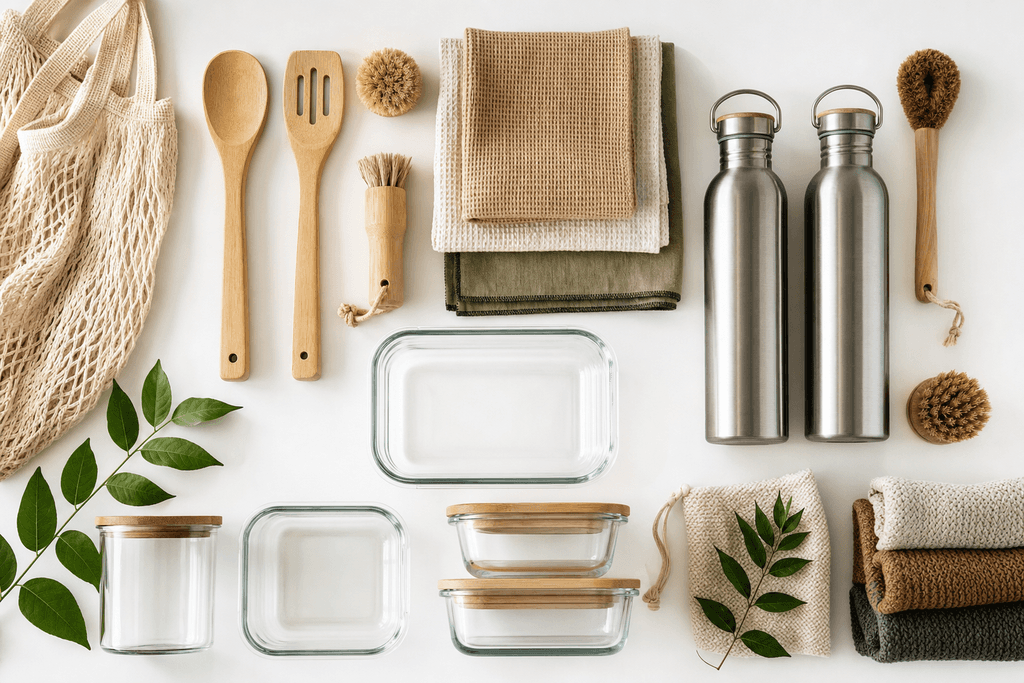
Think about it this way. A cheap plastic storage container might cost five dollars, but you’ll probably buy three or four replacements over a few years. A glass or stainless steel version costs more upfront but lasts decades. Quality over quantity isn’t just a catchy phrase when it comes to ethical shopping.
- Bamboo products naturally resist bacteria and last longer than most wood alternatives
- Glass containers never stain, never hold odors, and can be used for generations
- Stainless steel items resist rust and damage better than plastic or coated materials
- Cast iron cookware actually gets better with age when properly maintained
The trick is knowing what to look for before you buy. Check the materials first. Solid construction with fewer moving parts usually means fewer things that can break. Look at warranties too, because companies that stand behind their products for years are telling you something important. At PureHabitat Initiative, our resource sharing programs help communities access these quality sustainable products without the hefty price tag that sometimes comes with them.
Here’s what most people miss: durable products often come with better safety features too. Cheap plastics can leach chemicals into your food or water. Low-quality electronics might have fire risks. When you choose items built to last, you’re usually choosing safer options for your family.
Before You Buy: Durability Checklist
- Check what materials the product is made from
- Read reviews that mention how long the item lasted
- Look for warranty information (longer is better)
- Feel the weight and construction if shopping in person
- Research whether replacement parts are available
- Compare the per-year cost instead of just the upfront price
Rule 2: Know Where Your Products Come From
You wouldn’t eat food without checking the ingredients, right? The same thinking should apply to everything you bring into your home. The problem is that most products don’t come with a clear story about how they were made or who made them. Some companies use fancy green labels to hide practices that aren’t actually sustainable at all. This trick is called greenwashing, and it’s everywhere once you know what to look for.
Rule 2: Know Where Your Products Come From
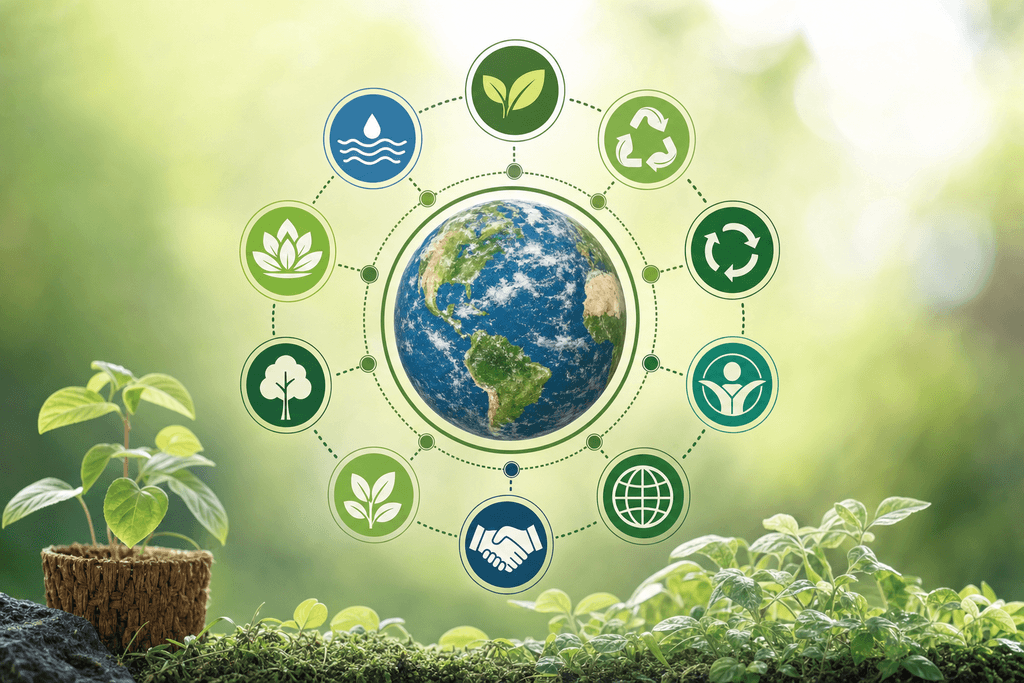
Real certifications matter, but you need to know which ones actually mean something. Labels like Fair Trade, B Corp, and Cradle to Cradle have strict standards and third-party verification. Random phrases like “eco-friendly” or “natural” on packaging don’t mean much without backup.
| Certification | What It Means |
|---|---|
| Fair Trade | Fair wages, safe conditions |
| B Corp | Social and environmental standards |
| Energy Star | Energy efficiency verified |
| FSC Certified | Sustainable forestry practices |
Digging into a company’s actual practices takes a bit of work, but it’s worth it. Check their website for transparency reports or sustainability pages. See if they share information about their supply chain. Companies proud of their ethical manufacturing will talk about it openly. The ones hiding something will keep things vague.
Supporting local businesses and fair-trade products does more than just feel good. According to research on social and environmental sustainability, ethical production practices significantly reduce environmental impact while improving worker conditions. Our educational programs at PureHabitat Initiative teach communities exactly how to spot the difference between real sustainability and clever marketing.
- Red flag: No information about where or how products are made
- Red flag: Vague claims without certifications or proof
- Red flag: Prices that seem too good to be true for “sustainable” items
- Red flag: Companies that won’t answer questions about their practices
The good news is that more resources exist now than ever before. Websites like Oxfam’s sustainable shopping guide break down how to verify claims and find truly ethical options. Once you learn the patterns, spotting genuine sustainability becomes second nature.
Rule 3: Buy Only What You Actually Need
Here’s something nobody likes to admit: we all own stuff we never use. That kitchen gadget you bought on impulse. The decorative items collecting dust. The extra towels still in their packaging. Every unnecessary purchase carries an environmental cost, from the resources used to make it to the energy spent shipping it to the waste when it eventually gets tossed. The most sustainable product is the one you don’t buy in the first place, especially if you didn’t really need it.
Mindful consumption sounds fancy, but it’s really just about pausing before you buy. Ask yourself a few simple questions, and you’ll avoid most impulse purchases that lead to clutter and waste.
The Mindful Shopping Questions
- Do I already own something that does this job?
- Will I actually use this at least once a week?
- Can I borrow or rent this instead of buying?
- Where will I store this item?
- What will happen to this when I’m done with it?
The one-in-one-out rule works wonders for keeping an eco friendly home from turning into a storage unit. Every time you bring something new in, something old goes out through donation, recycling, or proper disposal. This keeps your space manageable and forces you to really think about whether that new purchase is worth it.
Community resources change everything when it comes to reducing unnecessary purchases. Why buy a power drill you’ll use twice a year when your neighborhood tool library has one? Why purchase party supplies for a single event when you can borrow them? PureHabitat Initiative’s community empowerment programs help neighborhoods set up exactly these kinds of sharing systems, making it easier for everyone to access what they need without the waste.
- Make a list before shopping and stick to it
- Wait 24 hours before buying anything over fifty dollars
- Check what you have at home first
- Consider the full lifecycle of each purchase
- Look for sharing options in your community first
The difference between wants and needs gets blurry when marketing is designed to confuse you. A need solves a real problem you’re currently facing. A want is usually about how you imagine your life could be different. Both are valid, but only one should drive your ethical shopping decisions when you’re trying to reduce your environmental impact.
Building these habits takes practice, but the results show up fast. Less clutter means less stress. Fewer purchases mean more money saved. And every item you don’t buy is one less thing taking up space in a landfill someday. That’s the kind of change that actually sticks.
Your Shopping Choices Shape Your Home and Planet
So there you have it, three simple rules that can change how you shop and what kind of impact your home has on the environment. Buying less stuff, choosing products that last, and supporting companies that actually care about the planet might seem like small steps. But when you add them all up over months and years, these choices create real change. The tricky part is knowing where to start and having the right information to make good decisions.
Most people want to live more sustainably but get stuck because they don’t know which products are truly eco friendly or how to find reliable information. That’s where organizations like PureHabitat Initiative come in, offering educational resources and community support that make ethical shopping less confusing. We help people understand what to look for and connect them with tools that actually work for their lifestyle.
You don’t need to overhaul your entire life tomorrow. Pick one of these three rules and start there. Maybe you commit to researching brands before your next purchase, or you decide to repair something instead of replacing it. Each small choice builds on the last one, and before you know it, sustainable shopping becomes second nature instead of something you have to think about constantly.
The questions people ask most often about ethical shopping and creating an eco friendly home usually come down to practical details. What certifications should you trust, how much more does sustainable shopping really cost, and where do you even find these products in the first place.
Common Questions About Ethical Shopping
Making the switch to ethical shopping for an eco friendly home brings up a lot of practical questions. Most people want to do the right thing but aren’t sure where to start or how to fit sustainable choices into their daily lives. These answers will help you navigate the most common concerns about building an eco friendly home through better shopping habits.
Is ethical shopping more expensive?
Not always, and sometimes it actually saves you money in the long run. While some ethical products have higher upfront costs, they typically last longer and perform better than cheap alternatives. The real trick is learning to buy less overall and choose quality items that won’t need replacing every few months. Organizations like PureHabitat Initiative offer resource sharing programs that make sustainable products more accessible to communities on any budget.
How do I start ethical shopping on a tight budget?
Start small and focus on replacing items as they wear out rather than buying everything new at once. Thrift stores, buy-nothing groups, and community swap events are perfect for finding secondhand items that keep things out of landfills. You can also prioritize which purchases matter most, like switching to reusable products that eliminate ongoing costs for disposables. The key is making gradual changes that fit your financial situation instead of trying to overhaul everything overnight.
What certifications should I look for?
Look for Fair Trade, B Corp, USDA Organic, Energy Star, and Forest Stewardship Council (FSC) labels depending on what you’re buying. These certifications have strict standards and third-party verification, which means companies actually had to prove their claims. Leaping Bunny and Certified Vegan are reliable for cruelty-free products, while GOTS certification matters for textiles and fabrics.
Can I still shop online and be ethical?
Yes, but you need to be more intentional about it. Choose retailers with carbon-neutral shipping options and consolidate orders to reduce packaging waste. Many ethical brands only sell online, so avoiding it completely isn’t realistic or necessary. Just avoid impulse purchases and research companies before buying to make sure their values align with creating an eco friendly home.
How do I avoid greenwashing?
Look past vague marketing terms like “natural” or “eco-friendly” and dig into actual company practices and certifications. Companies engaged in greenwashing use pretty packaging and green imagery but can’t back up their claims with real data or third-party verification. Check if brands share detailed information about their supply chains, materials, and environmental impact, because transparent companies have nothing to hide.
Where can I find ethical products in my area?
Start with local farmers markets, co-ops, and independent shops that prioritize local and sustainable goods. Community organizations focused on environmental education often know the best local resources and can connect you with ethical shopping options nearby. PureHabitat Initiative works directly with communities to improve access to sustainable products and shares resources that make ethical shopping practical no matter where you live.